


Simple homemade remedies for common garden pest issues?

Embrace Eco-Friendly Pest Control
Gardening is a rewarding hobby, but few things are as frustrating as discovering your prized plants under attack from unwelcome pests. While chemical pesticides offer a quick fix, they can harm beneficial insects, pets, and the environment. Fortunately, a wealth of simple, homemade remedies can help you manage common garden invaders effectively and sustainably. Let’s explore some of the most popular and easy-to-implement solutions to keep your garden thriving naturally.

Targeting Aphids: The Soapy Solution
Aphids are tiny, soft-bodied insects that cluster on new growth, sucking sap and weakening plants. They multiply rapidly, making early detection key.
DIY Remedy: Insecticidal Soap Spray
Mix 1 tablespoon of mild liquid dish soap (avoid detergents with degreasers) with 1 liter of water. Pour into a spray bottle and thoroughly coat affected plants, ensuring you get the undersides of leaves where aphids often hide. The soap dissolves the waxy coating on their bodies, leading to dehydration. Repeat every 5-7 days until the infestation is under control. Test on a small leaf first to ensure no adverse reaction.

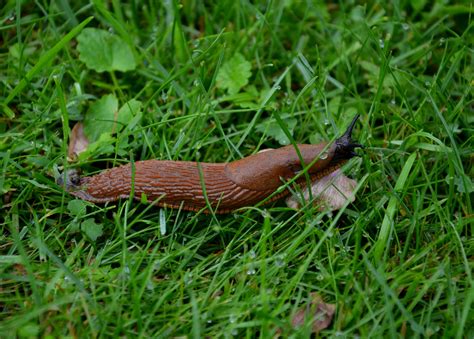
Combating Slugs and Snails: Traps and Barriers
These slimy nocturnal pests leave tell-tale silver trails and can decimate young seedlings and leafy greens overnight.
DIY Remedy 1: Beer Traps
Bury shallow containers (like tuna cans or plastic tubs) in the soil so the rim is level with the ground. Fill with beer. Slugs and snails are attracted to the yeast, crawl in, and drown. Empty and refill daily.
DIY Remedy 2: Eggshell Barriers
Crushed eggshells create a sharp, abrasive barrier that slugs and snails dislike crawling over. Sprinkle a generous ring around vulnerable plants. This also adds calcium to your soil!
Dealing with Spider Mites: Neem Oil and Water Power
Spider mites are minuscule arachnids that cause yellow stippling on leaves and fine webbing. They thrive in hot, dry conditions.
DIY Remedy 1: Neem Oil Spray
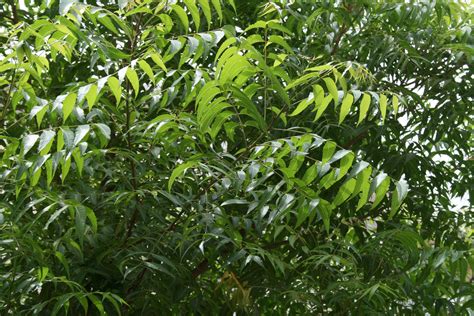
Neem oil is a natural pesticide derived from the neem tree. Mix according to product instructions (usually 1-2 tablespoons per gallon of water) with a few drops of mild soap as an emulsifier. Spray all plant surfaces thoroughly, especially the undersides of leaves. Neem oil disrupts mite feeding and reproduction. Apply every 7-10 days.
DIY Remedy 2: Strong Water Spray
A strong jet of water from your hose can dislodge spider mites and eggs from plants. Do this in the morning so leaves have time to dry, reducing the risk of fungal diseases.
General Prevention and Best Practices
Beyond targeted remedies, adopting good gardening practices can significantly reduce pest problems:
- Companion Planting: Plant herbs and flowers known to repel pests (e.g., marigolds, basil, garlic) near susceptible plants.
- Good Garden Hygiene: Remove weeds and plant debris, which can harbor pests and diseases.
- Encourage Beneficial Insects: Attract ladybugs, lacewings, and predatory wasps by planting flowers like dill, fennel, and cosmos.
- Regular Inspection: Regularly inspect your plants for early signs of pest activity to nip problems in the bud.
- Crop Rotation: Change the location of certain crops each year to break pest cycles.
By integrating these simple, homemade remedies and preventative measures into your gardening routine, you can cultivate a vibrant, healthy garden that thrives without relying on harsh chemicals. Happy gardening!