




How to winterize garden beds for spring planting success?

Preparing Your Garden for a Bountiful Spring
As the vibrant colors of autumn fade and winter’s chill approaches, it’s tempting to leave your garden beds to their own devices until spring. However, taking a few proactive steps to winterize your garden now can significantly impact your planting success next season. A well-prepared bed not only safeguards your soil but also gives your spring crops a head start, resulting in healthier, more productive plants.
Clear Out the Old and Unwanted
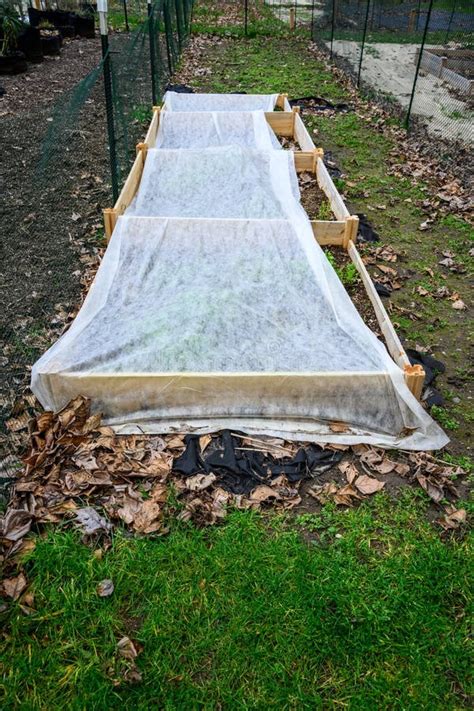
The first step in winterizing is to thoroughly clean out your garden beds. Remove all spent annuals, vegetable debris, and persistent weeds. Be particularly diligent about removing any diseased plant material, as leaving it in place can allow pathogens to overwinter and re-infect your new plantings in the spring. This includes rotten fruits, fallen leaves from diseased plants, and any lingering stems or roots that might harbor pests.
Once the bulk of the debris is gone, give your beds a light rake to gather any smaller fragments. While a deep digging of the soil isn’t always necessary or recommended in the fall (as it can disrupt beneficial soil organisms and structure), a gentle clearing helps expose potential pest hiding spots and allows for better aeration.

Nourish and Protect Your Soil
With the beds clean, focus shifts to enriching and protecting the soil itself. This is where the real magic of winterization happens. Healthy soil is the foundation of a successful garden, and winter offers an excellent opportunity to amend and replenish its nutrients.
Add a Generous Layer of Organic Matter
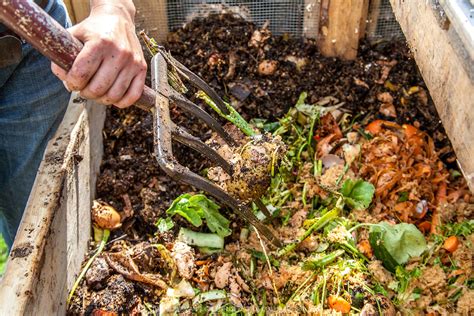
One of the most beneficial things you can do for your garden beds is to add a substantial layer of organic matter. Spread 2-4 inches of well-rotted compost, aged manure, or leaf mold over the entire bed. This will slowly break down over the winter, enriching the soil with essential nutrients, improving its structure, and feeding the beneficial microorganisms that are crucial for plant health. Tilling this in lightly, if at all, is often sufficient, allowing nature to do most of the work.
Consider Planting Cover Crops
For larger beds or areas that will remain fallow, planting a cover crop like winter rye, clover, or vetch can be an excellent winterization strategy. Cover crops protect the soil from erosion, suppress weeds, add organic matter when tilled under in spring (or left to decompose), and some even fix nitrogen, further boosting soil fertility. Research which cover crop best suits your climate and gardening goals.

Mulch for Insulation and Weed Suppression
After adding organic matter or planting cover crops, apply a thick layer of mulch. Materials like straw, shredded leaves, wood chips, or pine needles work wonders. A 4-6 inch layer will insulate the soil, protecting delicate microbial life from extreme temperature fluctuations and preventing the soil from compacting under winter rains. It also acts as an excellent weed suppressant, significantly reducing the amount of weeding you’ll need to do in spring.
Mulch also conserves soil moisture, which can be surprisingly important even in winter, and provides a continuous slow release of nutrients as it decomposes. Come spring, you can either gently incorporate the remaining mulch into the topsoil or push it aside to make way for new plantings.

Prepare for Spring: Tools and Planning
Winterization isn’t just about the beds; it’s also about preparing yourself for the next season. Take this time to clean, sharpen, and oil your gardening tools before storing them away. Make a list of seeds you want to order, sketch out your garden plan for spring rotations, and research new plant varieties. This planning phase can be just as rewarding as the physical work in the garden.
Reap the Rewards of Winter Preparation
Investing a little time in winterizing your garden beds is an investment in your future harvest. By clearing debris, enriching the soil with organic matter, planting cover crops, and applying a protective layer of mulch, you’re setting the stage for a vibrant and productive spring garden. When the first warm days arrive, you’ll be able to hit the ground running, knowing your soil is healthy, happy, and ready to nurture your plants to success.