




Best homemade recipes for preserving summer’s garden bounty simply?

Embrace the Abundance: Simple Ways to Preserve Your Summer Harvest
As summer reaches its peak, gardens overflow with an incredible array of fresh produce. From juicy tomatoes and sweet berries to crisp cucumbers and fragrant herbs, the temptation to enjoy it all immediately is strong. However, with a few simple preservation techniques, you can capture that peak summer flavor and extend your harvest enjoyment through the colder months. You don’t need a professional kitchen or complex equipment; these methods are perfect for beginners and seasoned gardeners alike.
Preserving your own garden bounty is not only cost-effective but also incredibly rewarding. It allows you to control the ingredients, avoid artificial preservatives, and savor the taste of your hard work. Let’s dive into some of the easiest and most effective ways to preserve summer’s gifts.
Freezing: The Easiest Path to Preservation
For sheer simplicity and speed, freezing is often the go-to method for preserving many fruits and vegetables. It requires minimal equipment – mainly freezer bags or airtight containers – and retains much of the fresh flavor and nutritional value.
Berries and Fruits
Wash berries gently, pat dry, and spread them in a single layer on a baking sheet. Freeze until solid, then transfer to freezer bags. This prevents them from clumping together. For peaches, nectarines, or plums, peel, pit, slice, and then flash freeze before bagging.
Vegetables
Most vegetables benefit from blanching before freezing. Blanching involves briefly immersing vegetables in boiling water, then rapidly cooling them in ice water. This stops enzyme action that can cause loss of flavor, color, and texture. Broccoli, green beans, corn (cut off the cob), and peas are excellent candidates for blanching and freezing. Spread blanched vegetables on a baking sheet to flash freeze, then bag.

Water Bath Canning: Sweet Jams and Savory Sauces
Water bath canning is ideal for high-acid foods like fruits, jams, jellies, pickles, and tomato products (with added acid). It creates an airtight seal that allows shelf-stable storage for up to a year or more. While it sounds intimidating, it’s quite straightforward once you understand the basic steps.
Homemade Strawberry Jam
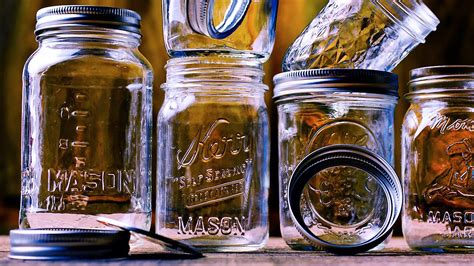
Combine 4 cups crushed strawberries with 4 cups sugar and 2 tablespoons lemon juice in a large pot. Bring to a boil, stirring frequently, then reduce heat and simmer until thickened (about 15-20 minutes). Ladle hot jam into sterilized canning jars, leaving 1/4 inch headspace. Wipe rims, apply lids and bands, and process in a boiling water bath for 10 minutes (adjusting for altitude). Let cool undisturbed for 24 hours.
Basic Tomato Sauce
Roughly chop ripe tomatoes and simmer until soft. Pass through a food mill or sieve to remove skins and seeds. Return pulp to a pot and simmer until desired thickness. For canning safety, add 1 tablespoon bottled lemon juice or 1/4 teaspoon citric acid per pint jar (2 tablespoons or 1/2 teaspoon per quart). Ladle hot sauce into sterilized jars, leaving 1/2 inch headspace. Process pints for 35 minutes and quarts for 40 minutes in a boiling water bath.
Pickling and Fermenting: Tangy Flavors and Probiotic Benefits
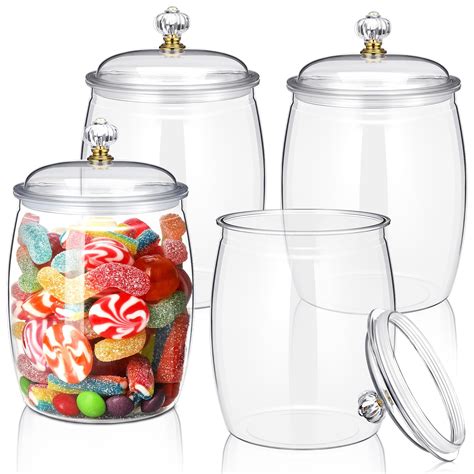
Pickling and fermenting transform vegetables into tangy, flavorful preserves. Pickling typically uses vinegar, while fermenting relies on beneficial bacteria to create lactic acid.
Quick Dill Pickles
Slice cucumbers (or green beans, peppers, carrots). Pack tightly into clean jars. In a saucepan, combine 1 cup white vinegar, 1 cup water, 1 tablespoon pickling salt, and optional seasonings like dill sprigs, garlic cloves, or mustard seeds. Bring to a boil until salt dissolves. Pour hot brine over vegetables, ensuring they are fully submerged. Seal jars and refrigerate for at least 24 hours before enjoying. These are refrigerator pickles and are not shelf-stable.
Simple Sauerkraut
Shred 1 head of cabbage finely. In a large bowl, massage 1-2 tablespoons of fine sea salt into the cabbage until it releases a significant amount of liquid (brine). Pack the cabbage and brine tightly into a clean jar, pressing down until the cabbage is submerged. Use a weight (like a small jar or specialized fermenting weight) to keep it under the brine. Cover loosely and ferment at room temperature for 1-3 weeks, tasting periodically. Once desired tanginess is reached, refrigerate.
Drying: Concentrated Flavors and Light Storage
Drying removes moisture, inhibiting spoilage and concentrating flavors. It’s excellent for herbs, certain fruits, and even tomatoes. You can use a dehydrator, an oven, or even air drying in suitable climates.
Drying Herbs
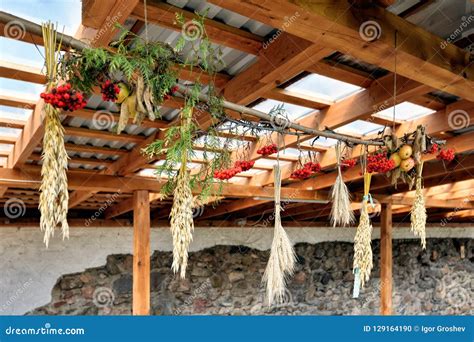
Bundle fresh herbs like oregano, thyme, or rosemary, and hang them upside down in a warm, dry, well-ventilated spot away from direct sunlight. They’ll dry in 1-2 weeks. Alternatively, spread herbs in a single layer on a baking sheet in an oven set to its lowest temperature (170°F or less) with the door slightly ajar for a few hours until brittle. Once dry, crumble and store in airtight containers.
Oven-Dried Tomatoes
Slice plum tomatoes in half lengthwise. Place cut-side up on a baking sheet lined with parchment paper. Drizzle with a little olive oil, salt, and pepper (optional). Bake at 200°F (95°C) for 3-6 hours, or until mostly dry and leathery but still pliable. Store in an airtight container in the refrigerator, or cover with olive oil in a jar for longer storage.
Essential Tips for Successful Preservation
- Start with Fresh Produce: Always use the highest quality, ripest produce for the best flavor and safety.
- Cleanliness is Key: Sanitize all jars, lids, and equipment thoroughly to prevent spoilage.
- Follow Recipes: Especially for canning, stick to tested recipes to ensure food safety. Do not improvise.
- Label Everything: Include the date and contents on every jar or package.
- Store Properly: Keep preserved goods in a cool, dark place away from direct sunlight.

Enjoy Your Garden’s Bounty All Year Long
With these simple homemade recipes and methods, you can transform your abundant summer harvest into a treasure trove of delicious, nutritious foods that will nourish you and your family throughout the year. From vibrant berry jams to tangy pickles and savory tomato sauces, each jar and package will carry the taste of summer, making even the coldest winter day a little brighter. Get started today and savor the flavors of your garden’s hard work!