




Secret to perfectly seasoning a cast iron skillet for country cooking?

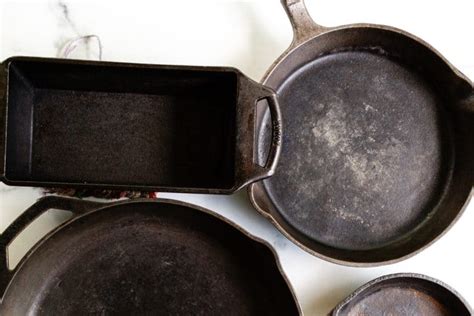
For generations, the cast iron skillet has been the undisputed workhorse of the country kitchen. Its ability to retain and distribute heat evenly, coupled with the distinctive flavor it imparts, makes it indispensable for everything from crispy fried chicken to cornbread. But the true magic of cast iron lies in its seasoning – a naturally non-stick, rust-resistant layer that improves with every meal. Mastering this secret isn’t just about maintenance; it’s about unlocking the full potential of your heirloom cookware, creating a cooking surface that’s a joy to use and a testament to good country living.
Understanding the Art of Cast Iron Seasoning
Seasoning isn’t just about oil; it’s a chemical process called polymerization. When oil (specifically, unsaturated fats) is heated past its smoke point, it breaks down and reforms into a hard, plastic-like layer that bonds to the iron. This layer creates a smooth, non-stick surface, protects against rust, and gives cast iron its iconic black patina. A perfectly seasoned skillet is the foundation of authentic country cooking, ensuring foods release easily and develop that coveted crust.

The Initial Seasoning: Bringing Your Skillet to Life
Whether you’ve just acquired a brand-new skillet or rescued a rusty one, the initial seasoning is crucial. For new, unseasoned skillets, simply wash with warm water and a little soap, scrub well, and dry thoroughly. For rusty or old skillets, you might need to strip them completely first (e.g., with oven cleaner or electrolysis) before starting fresh.
Step-by-Step Initial Seasoning:
- Clean and Dry: Wash the skillet with warm water and mild soap (if new or very greasy), scrubbing thoroughly. Dry completely on the stovetop over low heat to evaporate all moisture. Rust is the enemy!
- Apply a Thin Layer of Oil: Once cooled, apply a very thin layer of high smoke point oil (like grapeseed, vegetable, or even lard) to all surfaces – inside, outside, and handle. Use a paper towel to wipe off any excess. The goal is a barely visible film; too much oil will lead to a sticky, gummy finish.
- Bake It On: Place the skillet upside down on the middle rack of your oven. Put aluminum foil or a baking sheet on the bottom rack to catch any drips.
- Heat and Polymerize: Bake at a high temperature, typically 450-500°F (230-260°C), for one hour. Allow the skillet to cool completely in the oven before removing.
- Repeat for Best Results: For a truly robust seasoning, repeat steps 2-4 at least 3-5 times. Each layer builds upon the last, creating a stronger, more durable non-stick surface.
Daily Care and Maintenance for Lasting Performance
Once seasoned, daily care is relatively simple but critical for maintaining that prized non-stick surface.
Post-Cooking Cleaning:
- Warm Water & Scraper: Immediately after cooking, while the pan is still warm, scrape out any food bits with a metal spatula or cast iron scraper. Use warm water and a stiff brush or non-abrasive sponge. Avoid harsh soaps, especially at first, as they can strip nascent seasoning.
- Stubborn Bits: For stuck-on food, add a little coarse salt and a few drops of oil, then scrub with a paper towel. The salt acts as a gentle abrasive.
- Dry Thoroughly: This is paramount! Place the cleaned skillet back on the stovetop over low heat for a few minutes until completely dry.
- Light Oil Rub: Once dry and slightly cooled, apply another very thin layer of cooking oil (same as you used for seasoning) with a paper towel. Wipe off any excess until the pan looks dry but feels slick. This adds another micro-layer of seasoning and protects against rust during storage.
The Best Oils for Seasoning and Cooking
While almost any cooking oil can work, some are better for seasoning due to their high smoke point and specific fat composition (more unsaturated fats polymerize better).
- Grapeseed Oil: High smoke point, neutral flavor.
- Vegetable Oil/Canola Oil: Readily available, affordable, good results.
- Flaxseed Oil: Creates a very hard, durable seasoning, but can be prone to flaking if applied too thick. Use with extreme caution and very thin layers.
- Lard/Bacon Grease: Traditional country choice, imparts fantastic flavor, excellent for maintenance cooking.
For daily cooking, don’t shy away from using butter, bacon grease, or other animal fats – these continuously build and enhance your seasoning layer, contributing to that distinctive country flavor profile.

Tips for Achieving Country Cooking Perfection
- Cook with Fat: The best way to maintain and improve your seasoning is to cook. Start with dishes that involve a good amount of fat, like frying bacon, sausage, or chicken. The rendered fats will continue to bake onto the surface, strengthening the seasoning.
- Avoid Acidic Foods (Initially): While a well-seasoned skillet can handle anything, initially avoid cooking highly acidic foods like tomatoes or wine sauces. These can strip away nascent seasoning layers. Introduce them only once your skillet has a robust, dark patina.
- Preheat Properly: Always preheat your cast iron slowly and thoroughly. A properly preheated skillet prevents sticking and ensures even cooking, contributing to better seasoning retention.
Troubleshooting Common Cast Iron Issues
Even with the best care, you might encounter issues. Don’t despair!
- Sticky/Gummy Surface: This means too much oil was applied during seasoning or maintenance. Heat the pan on the stovetop, scrape off the excess, and re-season with a much thinner layer.
- Flaking Seasoning: Usually due to uneven heating or too thick of an oil layer. Scrape off loose flakes, clean, and re-season.
- Rust Spots: Scrub off the rust with steel wool or a scour pad. Wash, dry, and immediately apply oil and re-season the affected area (or the entire pan if needed).
The Heart of the Country Kitchen
A perfectly seasoned cast iron skillet is more than just cookware; it’s a legacy. It’s the secret ingredient behind generations of delicious country meals, developing its character and non-stick prowess with every use. By understanding the science of seasoning and committing to simple care routines, you won’t just season a pan; you’ll forge a culinary companion that will serve you faithfully for decades, transforming simple ingredients into memorable feasts.