



How do we involve kids in garden-to-table meals and daily homestead chores?

Cultivating Connection: Why Involve Kids in Homestead Life?
Connecting children with where their food comes from and the work involved in maintaining a home and garden is invaluable. It teaches responsibility, sustainability, and practical life skills that last a lifetime. In an increasingly digital world, these hands-on experiences foster a deep appreciation for nature and hard work.

Getting Hands Dirty: Engaging in the Garden
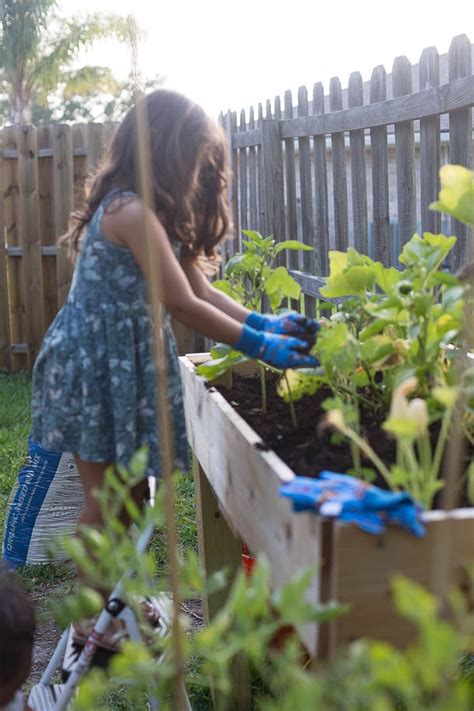
The garden offers a fantastic classroom. Start by giving children their own small plot or specific plants to care for. Let them choose what to grow, whether it’s vibrant cherry tomatoes or easy-to-grow snap peas. Involve them in every stage, from sowing seeds and watering to weeding and observing plant growth.
Harvesting is often the most rewarding part for kids. Encourage them to pick ripe vegetables and fruits, explaining how to identify readiness. This direct interaction helps them understand the cycle of life and the effort required to produce food. It’s also a great way to sneak in some science lessons about plant biology and ecology.

From Plot to Plate: Cooking Together
Once the produce is harvested, the kitchen becomes the next hub of activity. Involve children in washing, chopping (age-appropriately, of course!), and preparing meals with the fresh ingredients they helped grow. Simple tasks like tearing lettuce for a salad, stirring a pot, or setting the table can make them feel like vital contributors.
Teach them basic cooking techniques and recipes that highlight the garden’s bounty. Making a fresh salsa from garden tomatoes, cucumber sandwiches, or a simple vegetable stir-fry are excellent ways to connect the garden directly to their taste buds. This engagement often leads to a willingness to try new foods.

Embracing Responsibility: Daily Homestead Chores
Homestead life isn’t just about gardening; it encompasses a variety of daily chores that keep the household running smoothly. Assign age-appropriate responsibilities such as feeding pets or farm animals, collecting eggs, tidying up the chicken coop, or helping with composting.
Even indoor chores like sweeping, doing laundry, or organizing pantry shelves can be framed as contributing to the “homestead.” The key is consistency and making it clear that everyone’s contribution is valued and necessary for the family unit to thrive. Celebrate their efforts, no matter how small.

Strategies for Fun and Learning
To keep children engaged, inject an element of fun into tasks. Turn weeding into a treasure hunt for “weed monsters,” or make cooking a game show challenge. Read books about gardening, farming, and food to reinforce learning. Use charts or checklists for chores to provide a visual sense of accomplishment.
Emphasize the “why” behind each task. Explain how composting helps the garden, or why animals need regular feeding. This understanding empowers them and transforms mundane tasks into meaningful contributions. Patience and positive reinforcement are crucial.

A Legacy of Skills and Connection
Involving children in garden-to-table meals and daily homestead chores goes far beyond just getting tasks done. It’s about nurturing resilience, teaching practical skills, fostering a connection to nature, and building strong family bonds. These shared experiences create lasting memories and equip children with a foundational understanding of self-sufficiency and responsible living, a truly invaluable legacy for future generations.