




Best methods for preserving excess garden bounty using grandma’s recipes?

Rediscovering the Art of Garden Preservation
There’s nothing quite like the joy of a thriving garden, offering up an abundance of fresh, vibrant produce. However, that joy can quickly turn into a challenge when your harvest far exceeds what your family can consume fresh. Before modern refrigeration and industrial food processing, our grandmothers were masters of turning fleeting seasonal bounty into pantry staples that lasted through the lean months. Their time-tested methods, often passed down through generations, are not just practical but also imbue food with a unique flavor and connection to the past. Let’s delve into the best traditional ways to preserve your garden’s excess, bringing a taste of grandma’s kitchen to your modern home.
Why Grandma’s Methods Still Reign Supreme
In an age of convenience, one might wonder why bother with traditional preservation. The answer lies in flavor, nutrition, and a profound sense of accomplishment. Grandma’s recipes often prioritize natural ingredients, eschew artificial preservatives, and result in food that tastes truly homemade. These methods aren’t just about saving food; they’re about celebrating the harvest, reducing waste, and building a self-sufficient pantry filled with wholesome goodness.
Canning: Jars Full of Sunshine
Canning is perhaps the most iconic of grandma’s preservation techniques, transforming fruits and vegetables into shelf-stable jars of deliciousness. It involves sealing food in sterile jars and heat-processing them to create a vacuum seal, preventing spoilage.
- Water Bath Canning: Ideal for high-acid foods like fruits, jams, jellies, pickles, and tomato products (often with added acidity). This method involves submerging filled jars in boiling water for a specific time. Think tangy dill pickles, sweet strawberry jam, or robust tomato sauce.
- Pressure Canning: Essential for low-acid foods such as most vegetables, meats, and poultry. This method uses a specialized pressure canner to reach temperatures high enough to destroy harmful bacteria like C. botulinum spores. Safety and precision are paramount here; always follow tested recipes exactly.
Grandma’s Tip: Always use fresh, high-quality produce. Overripe or bruised items can compromise the safety and flavor of your canned goods. Sterilize your jars and lids meticulously!
Drying & Dehydrating: Concentrated Flavors
Drying is one of the oldest forms of food preservation, removing moisture to inhibit microbial growth. This method concentrates flavors, making dried fruits, vegetables, and herbs incredibly potent and versatile.
- Air Drying: Best for herbs (like oregano, thyme, rosemary) and some peppers. Simply tie bundles and hang them in a warm, dry, well-ventilated area away from direct sunlight.
- Oven Drying: A low-temperature oven can be used for fruits (apple slices, berries) and vegetables (tomatoes, mushrooms). Keep the oven door slightly ajar to allow moisture to escape.
- Dehydrator: For more consistent results, a food dehydrator provides controlled heat and airflow. It’s excellent for making fruit leathers, dried herbs, and vegetable chips.
Dried goods take up minimal storage space and are fantastic for snacks, baking, or adding a burst of flavor to winter meals.
Fermentation: Probiotic Powerhouses
Before refrigeration, fermentation was a crucial preservation technique, and it’s experiencing a massive revival due to its probiotic health benefits and unique flavors. It involves allowing beneficial bacteria to transform sugars in food, creating lactic acid which preserves the produce and enhances its nutritional profile.
- Sauerkraut: Shredded cabbage, salt, and time. Simple yet incredibly effective for gut health and flavor.
- Kimchi: A Korean staple, often made with napa cabbage, radish, and a spicy paste.
- Lacto-Fermented Pickles: Cucumbers, garlic, dill, and brine. A tangy, crunchy alternative to vinegar pickles.
The key to successful fermentation is maintaining an anaerobic environment (food submerged under brine) and keeping things clean.

Freezing: Modern Convenience with Traditional Roots
While freezers are a relatively modern invention, the concept of preserving by cold is ancient. Freezing is one of the simplest ways to lock in freshness, flavor, and nutrients, often requiring minimal processing.
- Blanching Vegetables: For most vegetables (green beans, broccoli, corn), a quick blanch in boiling water followed by an ice bath helps preserve color, texture, and enzymes before freezing.
- Freezing Fruits: Berries, sliced peaches, and cherries can often be frozen individually on a baking sheet before transferring to bags to prevent clumping. They’re perfect for smoothies, pies, or sauces.
- Prepared Meals: Freeze homemade pestos, tomato purees, soups, or even baked goods directly from the garden.
Ensure airtight packaging to prevent freezer burn and label everything with the date.

Root Cellaring & Cool Storage: Nature’s Refrigerator
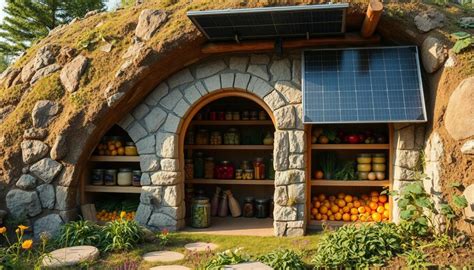
For certain hardy vegetables and fruits, cool, dark, and humid conditions can keep them fresh for months without any processing. This is where the concept of a “root cellar” comes from, though a cool basement corner or unheated pantry can often suffice.
- Potatoes, Carrots, Beets: Store in bins or crates with damp sand, sawdust, or peat moss.
- Apples, Pears: Store individually wrapped or spaced out to prevent rot from spreading.
- Onions, Garlic: Require dry, cool, and well-ventilated conditions, often hung in braids or mesh bags.
The key is a consistent cool temperature and appropriate humidity for the specific produce.
General Tips for Grandma-Style Preservation Success
- Start Fresh: The quality of your preserved food is directly tied to the quality of your fresh produce.
- Cleanliness is Key: Sanitize all equipment, jars, and work surfaces to prevent spoilage.
- Follow Tested Recipes: Especially with canning, improvisation can be dangerous. Use reputable sources (like university extension offices or trusted old cookbooks).
- Label and Date: Always label your preserved goods with the contents and the date of preservation.
- Store Properly: Keep canned goods in a cool, dark place. Dried goods in airtight containers. Fermented foods in the refrigerator once opened.
Embrace the Heritage
Preserving your garden’s bounty using grandma’s recipes is more than just a chore; it’s a rewarding journey into culinary heritage. It connects you to past generations, teaches valuable skills, and fills your pantry with wholesome, delicious food that carries the story of your garden and your efforts. So, roll up your sleeves, consult those cherished family cookbooks, and start transforming your harvest into treasures that will nourish your family all year long.