



Practical ways to involve children in garden work & cooking?

In an increasingly digital world, connecting children with the natural process of growing food and preparing meals offers invaluable benefits. Involving kids in garden work and cooking not only teaches them essential life skills but also promotes healthy eating habits, responsibility, and a deeper appreciation for where their food comes from. These activities provide wonderful opportunities for family bonding and hands-on learning.
Cultivating Growth: Why Involve Children in the Garden & Kitchen?
Engaging children in these domestic arts goes far beyond simply completing a task. It helps develop fine motor skills, problem-solving abilities, and an understanding of cause and effect. From planting a tiny seed to harvesting a ripe tomato, or from measuring flour to baking a delicious cake, children gain confidence and a sense of accomplishment. These experiences also lay the foundation for a lifetime of healthy eating choices by demystifying food and making it exciting.
Furthermore, these activities foster patience, creativity, and teamwork. The garden becomes a living classroom where they learn about nature, seasons, and ecosystems, while the kitchen transforms into a science lab where ingredients undergo magical transformations. The shared experiences create lasting memories and strengthen family connections.
Green Thumbs: Engaging Kids in Garden Work
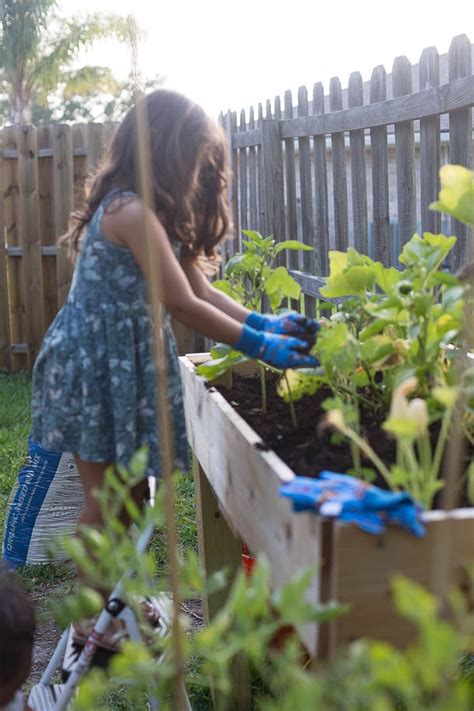
Starting a garden with children doesn’t require a large plot of land; a few pots on a balcony or a small raised bed are perfect. Begin with age-appropriate tasks to keep them engaged and prevent overwhelming them. Toddlers can help water plants with a small watering can or dig in the soil with a trowel. Preschoolers can assist with planting larger seeds, weeding, and harvesting. Older children can take on more responsibility, like planning the garden layout, identifying pests, or composting.
Choose plants that are easy to grow and yield quick results to maintain interest. Sunflowers, cherry tomatoes, snap peas, radishes, and various herbs (like mint or basil) are excellent choices. Invest in child-sized gardening tools that are safe and comfortable for small hands. Remember to emphasize the joy of the process, celebrating every sprouted seed and tiny bloom, regardless of the final harvest size. Let them get dirty – it’s part of the fun!

Little Chefs: Fun in the Kitchen
The kitchen is another fantastic place for children to develop practical skills and explore their creativity. Start with simple tasks that match their dexterity and attention span. For toddlers, this might involve washing fruits and vegetables, stirring ingredients in a bowl, or tearing lettuce for a salad. Preschoolers can measure non-liquid ingredients, knead dough, or spread butter on bread. Older children can chop vegetables (with supervision), read recipes, crack eggs, and operate simple kitchen appliances.
Focus on easy recipes that children can genuinely contribute to, such as fruit salads, smoothies, simple cookies, homemade pizzas, or sandwiches. Always prioritize safety: teach them about hot surfaces, sharp utensils, and proper handwashing. Turn cooking into a game by letting them choose ingredients or invent their own healthy snack combinations. The pride they feel in eating something they helped prepare is immense and often encourages them to try new foods.

Tips for Success: Making it Enjoyable
- Be Patient: Things will get messy, and tasks will take longer. Embrace it as part of the learning experience.
- Offer Choices: Let them pick what vegetables to plant or what recipe to try. This gives them a sense of ownership.
- Focus on the Process: The goal isn’t always a perfect meal or a prize-winning harvest, but rather the joy of participating and learning.
- Praise Effort: Acknowledge their hard work and enthusiasm, regardless of the outcome.
- Eat & Enjoy: Celebrate the fruits of their labor! Children are often more willing to try foods they have helped grow or cook.
Transforming routine tasks into engaging adventures is key. Tell stories while you garden, sing songs while you cook, or invent fun names for your plants and dishes. Involve them in every step, from planning to cleanup, to instill a sense of responsibility and completeness.

Harvesting More Than Just Food: Long-Term Benefits
Involving children in garden work and cooking cultivates more than just food; it nurtures their development, independence, and connection to the world around them. These shared activities build a foundation of healthy habits, crucial life skills, and cherished family memories that will last a lifetime. So, grab a trowel and an apron, and embark on these enriching adventures with your little ones – the rewards are truly bountiful.