



Best ways to pack homemade food & garden harvest safely for a long road trip?

Embarking on a long road trip offers the perfect opportunity to enjoy the comforts of home-cooked meals and the freshness of your garden’s bounty. Not only can this save money, but it also allows for healthier eating on the go. However, ensuring your delicious provisions remain safe, fresh, and appealing for the duration of your journey requires thoughtful planning and execution. From preserving delicate herbs to keeping main dishes chilled, mastering the art of packing is key to a successful culinary adventure on the open road.
Strategic Meal Planning: The Foundation of Safe Packing
Before you even think about containers, the first step is to plan your menu with the road in mind. Opt for foods that travel well and have a longer shelf life. Think about dishes that can be eaten cold or require minimal reheating, such as pasta salads, sandwiches with sturdy bread, pre-cooked proteins, and hearty grain bowls. Avoid highly perishable items like mayonnaise-based salads unless you have robust cooling solutions and plan to consume them early in the trip. For garden harvests, prioritize produce that holds up well, such as carrots, apples, oranges, sturdy greens, and root vegetables.
Consider the number of meals and snacks you’ll need, factoring in potential delays or unexpected stops. Preparing ingredients in advance, like chopping vegetables or pre-cooking meats, can save time and reduce the need for extensive meal prep during your trip.
Essential Gear for Food Preservation
Having the right tools is paramount for keeping your food safe and delicious. Invest in high-quality coolers that offer excellent insulation. Hard-sided coolers tend to provide better insulation for longer periods, while soft-sided coolers can be more flexible for day trips or smaller spaces. You’ll need an ample supply of ice packs, gel packs, or even frozen water bottles to maintain a consistent cold temperature. Dry ice is an option for extreme cooling needs, but requires careful handling and ventilation.
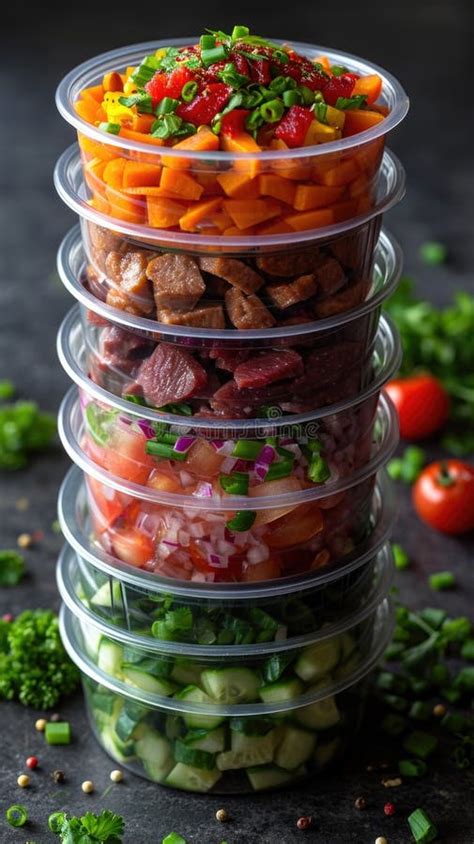
A variety of airtight, leak-proof containers are indispensable. Glass containers are excellent for reheating and don’t retain odors, but can be heavy and fragile. BPA-free plastic containers are lightweight and durable. For garden produce, consider mesh bags or breathable containers for items that need air circulation.
Don’t forget essentials like cutlery, plates, napkins, a small cutting board, a sharp knife (stored safely!), wet wipes, and a small bottle of dish soap and a sponge for cleaning on the go. A portable trash bag is also a must-have.
Mastering the Art of Packing Perishables
Packing your cooler correctly is crucial for food safety. Start with a layer of ice packs at the bottom. Then, place items that need to stay coldest, such as raw meats (always double-bagged to prevent leaks and cross-contamination) and dairy products, directly on top of the ice. Layer subsequent items, with less perishable foods like fruits and vegetables on top. Fill any empty spaces with additional ice packs or crumpled newspaper to minimize air pockets and maintain temperature.
Separate raw foods from cooked foods, and different types of foods from each other, using individual containers or sealed bags. This prevents cross-contamination, which is a major food safety concern. For homemade meals, ensure they are fully cooled to refrigerator temperature before packing them into containers and then into the cooler. Never pack warm food into a cooler, as it will raise the overall temperature and put other foods at risk.
Safeguarding Your Garden Harvest
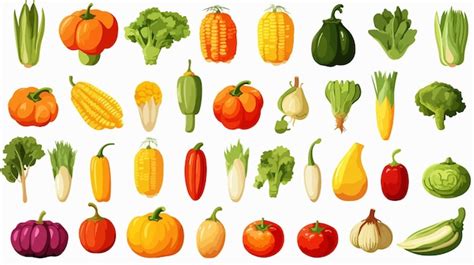
Your garden’s bounty often requires special handling. For greens like lettuce or spinach, wash and dry them thoroughly before packing to prevent spoilage. Wrap them in a damp paper towel and place them in a sealed bag or container. Hardier vegetables like carrots, cucumbers, and bell peppers can be washed and dried, then packed loosely in a breathable bag or container. Root vegetables generally travel well, just ensure they are clean and dry. Delicate fruits like berries should be packed in shallow, rigid containers to prevent crushing.
Consider bringing some herbs or small fruits for immediate consumption, but for longer storage, focus on items that are robust. Avoid packing overly ripe or bruised produce, as it will spoil faster and potentially affect other items.
Food Safety on the Road and Beyond
Throughout your journey, diligently monitor the temperature of your cooler. Open it only when necessary and try to keep it out of direct sunlight. If you’re stopping for an overnight stay, transfer perishable items to the refrigerator in your accommodation, or replenish ice if necessary. Always practice good hand hygiene before handling food. If you’re reheating food, ensure it reaches an internal temperature of 165°F (74°C).
Be mindful of the “danger zone” for food temperatures, which is between 40°F (4°C) and 140°F (60°C). Perishable foods should not remain in this zone for more than two hours. If you’re unsure about the safety of an item, it’s always best to err on the side of caution and discard it. Plan to consume your most perishable items within the first day or two of your trip.

Conclusion: Savor the Journey
Packing homemade food and garden harvest for a long road trip is more than just logistics; it’s about extending the comfort and health of your home to your adventures. With careful planning, the right equipment, and adherence to food safety principles, you can enjoy delicious, wholesome meals and fresh produce, enhancing your travel experience significantly. So, pack smart, drive safe, and savor every bite of your culinary journey!