




Homemade pest remedies for organic garden aphids?

Protecting Your Organic Garden from Aphids Naturally
Aphids are a common nuisance for any gardener, but for those committed to organic practices, chemical pesticides are simply not an option. These tiny, sap-sucking insects can quickly multiply, weakening plants and spreading diseases. The good news is that your kitchen and pantry often hold the keys to effective, eco-friendly solutions. Embracing homemade pest remedies not only keeps your garden chemical-free but also aligns with sustainable gardening principles.

Simple and Effective Homemade Aphid Sprays
Many of the most effective aphid deterrents can be concocted with ingredients you already have. These sprays work by either suffocating the aphids, deterring them with strong scents, or disrupting their feeding.
1. Soapy Water Spray
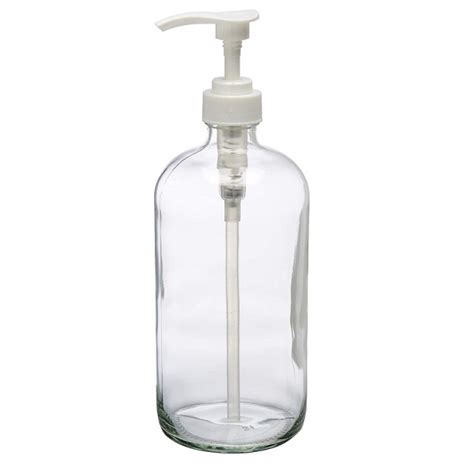
This is perhaps the most widely known and easiest homemade remedy. Soap breaks down the waxy coating on aphids, causing them to dehydrate and die. It’s safe for most plants, but always test on a small area first.
- How to Make: Mix 1-2 teaspoons of mild liquid dish soap (avoid detergents with degreasers or bleach) with 1 liter (about 4 cups) of water.
- How to Apply: Spray directly onto aphids, ensuring both the tops and undersides of leaves are thoroughly coated. Repeat every 2-3 days until the infestation is gone. Apply in the early morning or late evening to prevent leaf burn from the sun.
2. Garlic or Hot Pepper Spray
Aphids dislike strong odors and spicy flavors. Garlic and hot peppers contain compounds that act as natural repellents and insecticides.
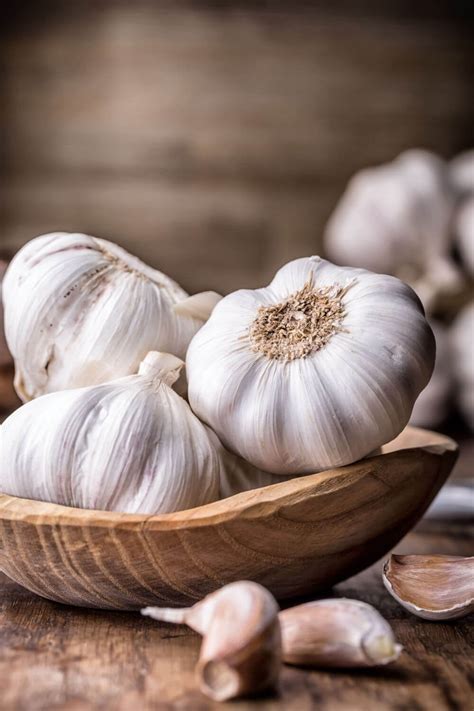
- Garlic Spray: Mince 4-5 cloves of garlic and steep them in 1 liter of hot water for several hours or overnight. Strain the mixture, add 1 teaspoon of mild liquid dish soap, and dilute with another liter of water if needed.
- Hot Pepper Spray: Blend 1-2 tablespoons of cayenne pepper or a few hot peppers (like habanero) with 1 liter of water. Let it sit for a few hours, then strain. Add 1 teaspoon of mild liquid dish soap.
- How to Apply: Spray generously on affected plants. Wear gloves when handling pepper solutions and avoid contact with eyes.
Other Natural Aphid Control Methods
Beyond sprays, several other organic strategies can help manage aphid populations in your garden.
3. Diatomaceous Earth (DE)
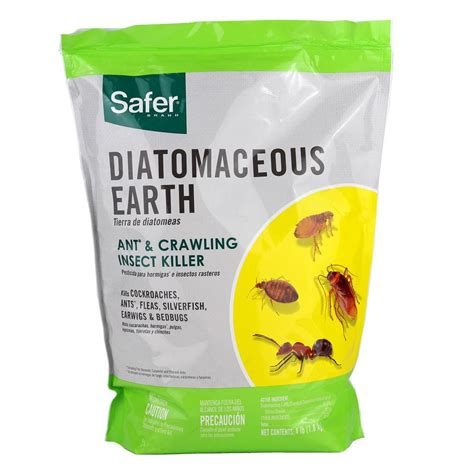
Food-grade diatomaceous earth is a natural powder made from fossilized diatoms. It works by abrading the exoskeletons of soft-bodied insects like aphids, causing them to dehydrate.
- How to Apply: Dust a fine layer of DE onto aphid-infested plants. Reapply after rain or heavy dew. Be mindful not to apply on flowers where beneficial pollinators might be active, as DE can harm them too.
4. Companion Planting and Beneficial Insects
Prevention and natural predation are powerful tools in organic pest control.
- Companion Planting: Plant aphid-repelling herbs like chives, garlic, mint, and catnip near vulnerable plants. Nasturtiums can also be used as a “trap crop,” attracting aphids away from your desired plants.
- Attract Beneficials: Encourage natural aphid predators like ladybugs, lacewings, and hoverflies by planting flowers that provide nectar and pollen, such as dill, cilantro, sweet alyssum, and marigolds. You can even purchase ladybugs for release in your garden.

Best Practices for Applying Homemade Remedies
To maximize the effectiveness and safety of your homemade aphid treatments:
- Identify Correctly: Ensure you are dealing with aphids before applying treatments.
- Test First: Always test any new spray on a small, inconspicuous part of the plant and wait 24 hours to check for adverse reactions.
- Target Application: Spray directly onto aphids and affected areas, not generally over the entire plant unless necessary. Don’t forget the undersides of leaves where aphids often hide.
- Consistency is Key: Aphids reproduce quickly. Regular application (every few days) is crucial to break their life cycle.
- Early Morning/Evening: Apply sprays during cooler parts of the day to minimize leaf burn and avoid harming beneficial insects that are active during midday.
- Monitor Regularly: Walk through your garden frequently to catch infestations early.
Conclusion
Dealing with aphids in an organic garden doesn’t require harsh chemicals. By utilizing simple, natural ingredients and incorporating good gardening practices like companion planting and attracting beneficial insects, you can effectively manage aphid populations and maintain a thriving, healthy garden ecosystem. With a little vigilance and these homemade remedies, your organic garden can remain a sanctuary for plants, not pests.