





How to best adapt family recipes for peak seasonal garden harvests?

Embracing the Bounty: Why Adapt Family Recipes?
There’s a unique satisfaction that comes from cooking with ingredients you’ve grown yourself. Your garden’s peak season delivers a vibrant array of fresh, flavorful produce, often in quantities that demand creativity. Adapting beloved family recipes to incorporate these seasonal treasures not only elevates their taste but also honors the hard work of gardening and promotes sustainable eating. It’s about preserving tradition while embracing the freshest flavors of the moment.
Far from a daunting task, this culinary evolution is an opportunity to experiment, learn, and create new memories around the dinner table. Whether you’re drowning in zucchini, overwhelmed by tomatoes, or delighting in an abundance of herbs, there’s a way to make your family favorites sing with seasonal freshness.
Understanding Your Harvest and Recipe Core
Identify Your Garden’s Stars
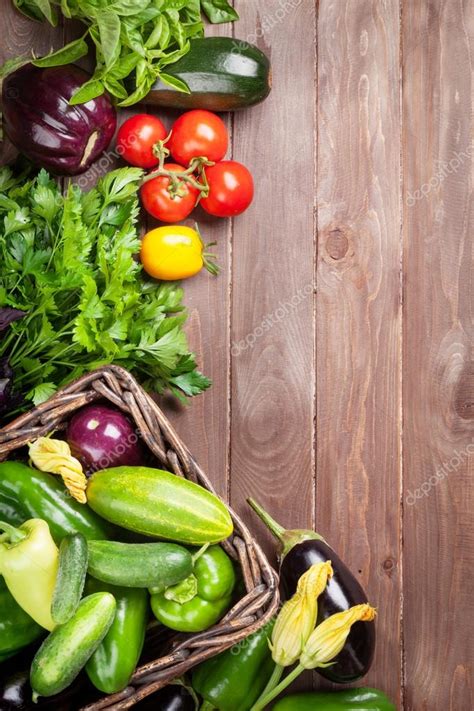
Before you start chopping, take stock of what your garden is offering. Are you dealing with a surplus of leafy greens like spinach or kale? Is it tomato season, with cherry, Roma, and beefsteak varieties ripening by the day? Knowing the quantities and types of produce available will guide your recipe choices and adaptations. Consider the flavor profile, texture, and moisture content of each vegetable or fruit.
Deconstruct Your Family Recipe
Next, look at your chosen family recipe. What are its core components? What ingredients are essential for its identity, and which are more flexible? For instance, in a lasagna, the pasta, cheese, and sauce are key, but the meat or vegetable fillings can be highly adaptable. Understanding the function of each ingredient—whether it provides bulk, flavor, moisture, or texture—is crucial for successful substitution.
Practical Adaptation Strategies
1. Direct Swaps and Substitutions
This is often the easiest approach. If a recipe calls for store-bought bell peppers, and you have an abundance of homegrown ones, it’s a direct swap. Consider seasonal alternatives: instead of green beans in winter, use asparagus in spring. Think about similar flavor profiles and textures. Swiss chard can often substitute for spinach, or butternut squash for sweet potato.

2. Boosting Volume and Nutrients
Many recipes can handle an increase in vegetable content without significant changes. Stir-fries, soups, stews, casseroles, and pasta sauces are excellent candidates for bulking up with extra seasonal produce. Dice zucchini, squash, or carrots finely and add them to meatloaf or meatballs. Shred greens into frittatas, scrambled eggs, or even baked goods like muffins (zucchini bread, anyone?).
3. Enhancing Flavor with Herbs and Aromatics
Your herb garden can be a game-changer. Fresh basil, oregano, thyme, rosemary, parsley, and chives can profoundly impact a dish. Use them liberally. A simple tomato sauce gains incredible depth from fresh basil and oregano. Roast vegetables become more aromatic with sprigs of thyme or rosemary. Don’t be afraid to experiment with different herb combinations to complement your primary garden ingredients.
4. Adjusting Moisture and Cooking Times
Adding extra vegetables can introduce more moisture into a dish. For instance, juicy tomatoes or zucchini might require a longer cooking time to reduce liquid, or a slight increase in dry ingredients like flour or breadcrumbs in bakes. Conversely, drier vegetables might need a splash of broth or water. Always taste and adjust as you go.
Specific Recipe Examples
- Pasta Sauce: Ditch canned tomatoes for freshly roasted or pureed garden tomatoes. Add bell peppers, zucchini, eggplant, and a generous handful of basil and oregano.
- Frittatas/Quiches: A perfect canvas for whatever greens, onions, or herbs you have. Sauté seasonal vegetables and fold them into the egg mixture.
- Soups/Stews: The ultimate adaptability. Almost any vegetable can find a home in a hearty soup. Think minestrone with fresh beans, zucchini, and kale, or a summer squash bisque.
- Baked Goods: Zucchini bread, carrot cake, pumpkin muffins – these are classic ways to use up abundant harvests. Even savory muffins can incorporate finely chopped herbs or grated vegetables.

Beyond Adaptation: Preservation for Year-Round Enjoyment
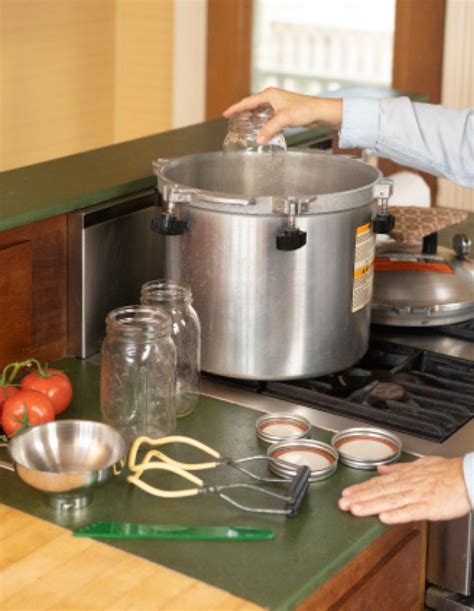
When you truly have an overwhelming harvest, consider preserving your bounty. Canning, freezing, drying, or fermenting allows you to enjoy the peak flavors of your garden long after the season ends. Turn excess tomatoes into sauce or salsa, blanch and freeze green beans, dry herbs, or make pickles from cucumbers and dill. These preserved ingredients can then be easily incorporated back into your family recipes throughout the year, extending the joy of your garden’s yield.

The Joy of Culinary Creativity
Adapting family recipes to your seasonal garden harvest is more than just cooking; it’s a creative act that connects you to your food, your family, and the rhythm of nature. It fosters resourcefulness, reduces food waste, and introduces new, vibrant flavors to cherished dishes. Don’t be afraid to experiment, trust your instincts, and most importantly, enjoy the delicious results of your labor, straight from your garden to your table.