





Best way to adapt heirloom recipes with real food garden ingredients?

Embracing the Garden-to-Table Philosophy
There’s a unique magic in revisiting heirloom recipes – those culinary treasures passed down through generations, steeped in history and flavor. But what if you could infuse them with an even deeper connection to the earth, using fresh, real food ingredients harvested directly from your own garden? Adapting these cherished dishes to incorporate homegrown produce is a rewarding journey that not only enhances flavor and nutrition but also strengthens your connection to your food heritage and the natural world. It’s about preserving the spirit of the past while embracing the bounty of the present.
Deconstructing Your Heirloom Recipe
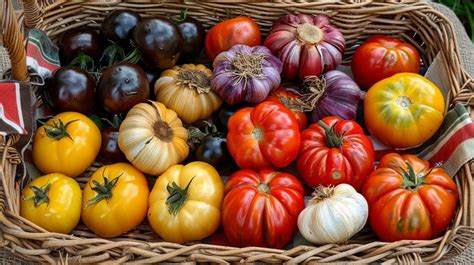
Before you dive into substitutions, take time to understand the original recipe. What are its core components? What flavors are absolutely essential? Is it a hearty stew where root vegetables play a starring role, or a delicate dessert where a specific fruit is key? Identify the main ingredients and their functions (flavor, texture, binding, moisture). Sometimes, an ingredient is pivotal, while others are more flexible. For instance, in a classic marinara, the tomatoes are paramount, but the herbs can be more adaptable.
Assessing Your Garden’s Bounty
With your heirloom recipe in mind, take stock of what your garden is offering. Are you overflowing with zucchini, ripe tomatoes, sweet peppers, or a variety of herbs? Knowing what’s readily available will guide your adaptation process. Think seasonally – what grows well together often tastes good together. Don’t feel pressured to force a specific ingredient; instead, let your garden inspire the variation. A summer squash might beautifully replace a potato in some contexts, or a bounty of basil could transform a traditional pesto.
Mastering Ingredient Swaps and Substitutions
Vegetables
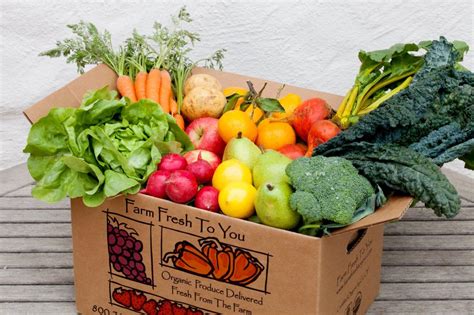
- Leafy Greens: Spinach, kale, chard, or even beet greens can often be interchanged in dishes like quiches, stir-fries, or baked pasta. Adjust cooking times as some wilt faster than others.
- Root Vegetables: Potatoes, carrots, parsnips, and turnips can often substitute for each other in stews, roasts, or mashes, offering slightly different flavor profiles and textures. Consider sweet potatoes for a sweeter note.
- Fruiting Vegetables: Tomatoes, bell peppers, zucchini, eggplant, and cucumbers can be swapped based on seasonality and desired texture. Remember zucchini can add moisture, while eggplant absorbs flavors beautifully.
Herbs and Aromatics
Fresh herbs from the garden are a game-changer. Replace dried herbs with fresh ones at a ratio of about 3:1 (e.g., 3 tablespoons fresh for 1 tablespoon dried). Experiment with different varieties – parsley can be Italian flat-leaf or curly, basil can be sweet basil or lemon basil. Onion, garlic, leeks, and shallots are often interchangeable depending on the desired pungency and sweetness.

Adjusting Flavors and Textures
When you swap ingredients, you’re also altering the flavor and texture profile. Taste as you go! If you’ve replaced a sweet vegetable with a more bitter one, you might need to add a touch more sweetness (from natural sources like honey or maple syrup if available, or a garden fruit). If a substituted vegetable adds more water, you might need to reduce other liquids or cook it down longer. Conversely, if it’s drier, you might need to add a splash of broth or water. The goal is to retain the spirit of the heirloom dish, even if its exact expression changes.
Embracing Imperfection and Experimentation
The beauty of adapting heirloom recipes with garden ingredients lies in the journey, not just the destination. Not every experiment will be a resounding success, and that’s perfectly fine! Keep a notebook handy to jot down your changes, successes, and even the “lessons learned.” This iterative process builds your intuition as a cook and helps you understand how different ingredients interact. Don’t be afraid to deviate significantly from the original if your garden offers a truly unique opportunity. Maybe grandmother’s potato salad becomes a roasted beet and dill salad!
Tips for a Seamless Adaptation
- Start Small: Begin by adapting simpler components of a recipe rather than overhauling the entire dish.
- Taste, Taste, Taste: This is your most important tool. Adjust seasonings, sweetness, acidity, and cooking times as you go.
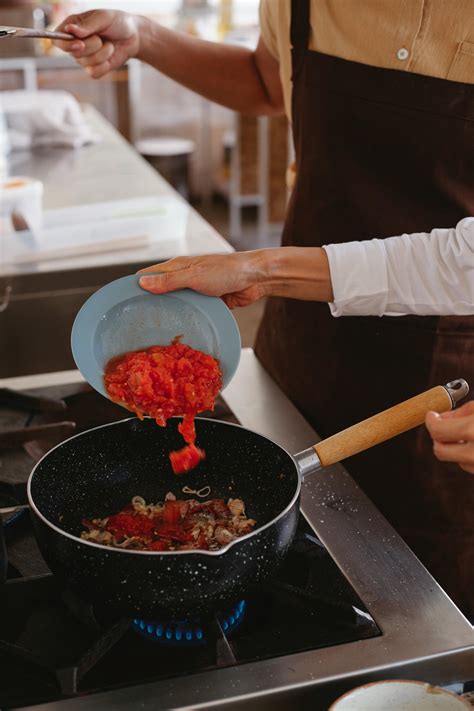
- Blanch and Sauté: If you’re unsure about a vegetable’s texture or water content, a quick blanch or sauté can help manage it before adding it to the main dish.
- Consider Preservation: If you have an abundance, consider canning, freezing, or drying garden produce to extend its usability for heirloom recipes throughout the year.
- Document Your Journey: Keep notes on what worked and what didn’t. This will become your own modern heirloom adaptation guide!

Cultivating New Traditions
Adapting heirloom recipes with real food garden ingredients is more than just cooking; it’s an act of love, sustainability, and creativity. It allows you to honor the past while nourishing the present with the freshest, most vibrant flavors your garden has to offer. Each adapted dish tells a new story, a delicious blend of tradition and innovation, ready to become the next generation’s cherished heirloom.