



How to keep homemade real food fresh on country road trips?
Embrace the Open Road with Fresh, Homemade Meals
Hitting the open road, especially through picturesque country landscapes, is an experience best enjoyed with good company and great food. While convenience stores offer quick fixes, nothing beats the comfort, nutrition, and cost-effectiveness of homemade meals. The challenge, however, lies in preserving their freshness and safety over miles and hours. With a bit of planning and the right techniques, you can enjoy delicious, real food from your own kitchen throughout your journey, avoiding soggy sandwiches and spoiled snacks.
Pre-Trip Preparation: The Foundation of Freshness
The success of keeping your food fresh starts long before you pull out of the driveway. Strategic preparation is key.
Choose the Right Foods: Low-Risk & Durable
Opt for foods that naturally hold up well or are less prone to rapid spoilage. Think robust options rather than delicate ones. Good choices include roasted vegetables (broccoli, carrots, sweet potatoes), sturdy whole-grain sandwiches or wraps with fillings like hummus and grilled chicken, hard-boiled eggs, sliced cheeses, whole fruits (apples, oranges, grapes), nuts, seeds, and dried fruits. Avoid anything with mayonnaise-based dressings, raw meats, or highly perishable dairy items unless you have exceptional cooling capabilities and plan to consume them quickly.
Masterful Meal Prep: Cooking for Longevity
When preparing your meals, consider their journey. Cook food thoroughly, and if possible, slightly undercook vegetables you prefer crisp, as they will soften over time. Allow all cooked food to cool completely to room temperature before refrigerating or packing. Rapid chilling in shallow containers can prevent bacterial growth. Portion meals into individual, airtight containers to minimize exposure when opening, and to prevent cross-contamination.
Packing Smart: Your Cooler is Your Ally
Your cooler isn’t just a box; it’s a vital tool for food preservation. How you pack it makes all the difference.
The Right Gear: Coolers and Containers
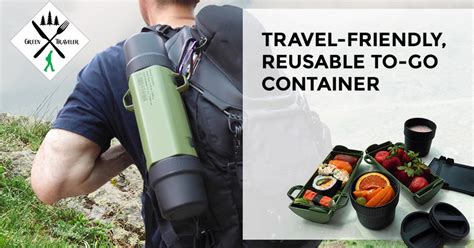
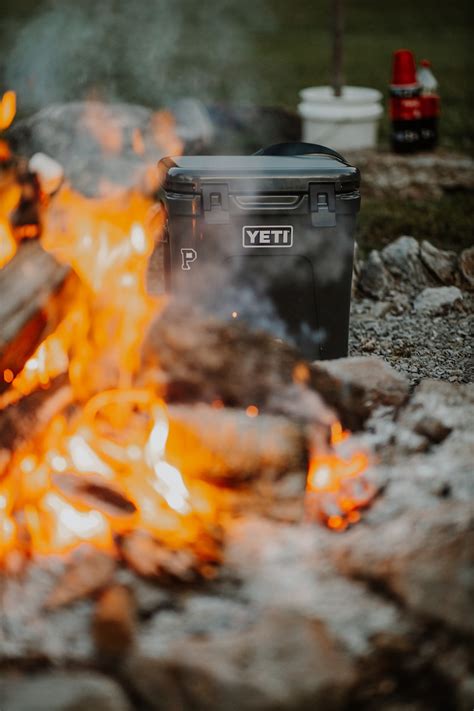
Invest in a high-quality, insulated cooler that can maintain cold temperatures for extended periods. Rotomolded coolers are excellent for this. Supplement with insulated bags for items you’ll access more frequently, like snacks or drinks, to keep your main cooler sealed. Use sturdy, leak-proof, airtight containers made of glass or BPA-free plastic for all your food. This prevents leaks, crushing, and keeps odors contained.

The Art of Packing: Layers and Ice
Always start with well-chilled food and drinks. Use a combination of ice packs, frozen water bottles, or even blocks of ice, which melt slower than cubes. Place the heaviest, least perishable items at the bottom. Layer with ice packs, then more delicate items. Ensure there’s plenty of ice or ice packs surrounding all perishable food. Fill any empty spaces with crumpled newspaper or towels to minimize air circulation and maintain coldness. Keep raw meats, if any, separated and double-bagged to prevent juices from contaminating other foods.
On the Road: Maintaining Freshness
Even with the best preparation and packing, ongoing vigilance is necessary to keep food safe and fresh.
Strategic Storage: Keep it Cool and Closed
Minimize the number of times you open your cooler, especially the main one containing highly perishable items. Each opening allows warm air in. Position your cooler in the coolest part of your vehicle, away from direct sunlight, preferably on the floor or in the trunk if it stays cool. If you have an auxiliary cooler for drinks, use that for frequent access. Always ensure cooler lids are securely latched after each use.
Food Safety First: When in Doubt, Throw it Out
Your nose and eyes are your first line of defense. If something smells off, looks slimy, or has an unusual color, do not risk it. The “danger zone” for bacterial growth is between 40°F (4°C) and 140°F (60°C). If perishable food has been left in this temperature range for more than two hours, it’s safer to discard it. Always carry hand sanitizer or wet wipes for proper hand hygiene before and after handling food.
Creative Solutions and What to Avoid
Sometimes, a little ingenuity goes a long way in ensuring fresh food.
Quick Fixes and Replenishment
Should your ice melt, you can always replenish it at gas stations, grocery stores, or convenience stores along your route. Many country stores also offer fresh produce, allowing you to pick up new fruits or vegetables to supplement your packed meals. Consider bringing a small, portable stove or single-burner if you plan to camp or stop at picnic areas to warm up pre-cooked meals or boil water for coffee.
Foods to Reconsider
While homemade is best, some foods are simply too risky for extended road trips without robust refrigeration. Avoid soft cheeses, deli meats that aren’t consumed within a day, creamy dips, and highly delicate salads. Raw cookie dough or cake batter are also no-gos due to raw eggs. Focus on stable, sturdy, and nutrient-dense options that will stand up to the journey.
Enjoy Your Culinary Journey!
With careful planning, smart packing, and diligent temperature control, your country road trip can be a feast of fresh, homemade real food. Not only will you save money and eat healthier, but you’ll also add another layer of enjoyment to your adventures, knowing a delicious and safe meal is always within reach. Happy travels and bon appétit!