


What specific BTS reveals raw food prep/garden struggles without discouraging home cooks?
The Unfiltered Reality of Raw Food and Garden-to-Table Living
The allure of a vibrant raw food diet or a self-sustaining home garden is undeniable. Picture perfectly ripe produce, intricate dehydrator creations, and abundant harvests. However, the polished Instagram feeds and glossy blog posts often only show the triumph, masking the trials and tribulations that are an inherent part of the journey. For many aspiring home cooks and gardeners, this idealized facade can be intimidating, leading to frustration and abandonment when their own initial attempts fall short of perfection. The question then becomes: how can creators pull back the curtain on the real struggles without inadvertently discouraging their audience?
Authentic ‘Behind the Scenes’ (BTS) content is key. It’s about building trust, managing expectations, and creating a relatable narrative. By sharing the nitty-gritty, the mishaps, and the learning curves, content creators can empower their audience with realistic insights rather than overwhelming them with an unattainable ideal. It transforms potential failures into valuable lessons, making the journey feel more accessible and less daunting.

Navigating the Garden’s Capricious Whims
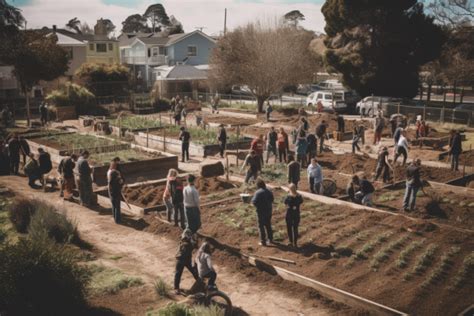
Home gardening, especially for those aiming to supply ingredients for a raw food diet, is a constant dance with nature. The romantic vision of plucking sun-ripened tomatoes or crisp lettuce can quickly give way to the harsh realities of pest infestations, unexpected weather changes, and elusive yields. Imagine spending weeks nurturing seedlings only to have them decimated by slugs overnight, or a sudden hailstorm flattening a promising bed of greens. These are common, often heartbreaking, occurrences.
Furthermore, timing is everything. Successfully growing a diverse range of produce requires understanding seasonal cycles, soil health, and specific plant needs – knowledge that is rarely gained without a few withered failures along the way. Explaining how a crop failed due to unforeseen blight, or how a drought necessitated a complete replanting, offers crucial educational value. Showing the problem, the diagnosis, and the attempted (or successful) solution can be far more empowering than simply showcasing a bountiful harvest as if it appeared by magic.

Decoding the Intricacies of Raw Food Prep
Beyond the garden, the raw food kitchen presents its own unique set of challenges. It’s more than just chopping vegetables; it often involves complex techniques like controlled dehydration, precise fermentation, sprouting, and creating elaborate, multi-component dishes that mimic cooked counterparts. The commitment of time can be significant, with some recipes requiring days for soaking, fermenting, or dehydrating before they’re even ready for final assembly.
Consider the struggles of sourcing specific, high-quality organic ingredients, or the learning curve associated with new kitchen tools like spiralizers, mandolines, or high-speed blenders. What happens when a batch of kraut goes bad, a dehydrator recipe doesn’t crisp up correctly, or a nut cheese fails to culture? These are the moments ripe for valuable BTS content. Revealing these specific hurdles – perhaps a failed attempt at raw crackers that turned out soggy, or a nut milk curdling – accompanied by an explanation of what went wrong and how it was rectified, demystifies the process and showcases resilience.
Transparent Storytelling: Empowering Not Discouraging
The art of revealing struggles without discouraging lies in the narrative. Instead of just showing a failure, pair it with the lesson learned. Did the garden experiment fail? Detail the research undertaken to understand why, and the steps taken to prevent recurrence. Was a raw recipe disastrous? Explain the alteration made in the next attempt that led to success. This shifts the focus from an insurmountable obstacle to a solvable problem, framing challenges as integral steps in skill development.
Moreover, injecting humor and relatability can significantly lighten the mood. Acknowledging that even experienced raw food chefs and gardeners face setbacks normalizes the experience for beginners. Sharing ‘epic fails’ reels or ‘what NOT to do’ guides, followed by practical advice and encouraging words, creates a supportive environment. It teaches that mistakes are not a sign of incompetence, but rather inevitable parts of learning and growth, fostering a sense of camaraderie among the community.
The Transformative Impact on Home Cooks
By offering transparent glimpses into the actual process, BTS content equips home cooks with realistic expectations. They learn that raw food prep and gardening are not always seamless but are deeply rewarding journeys of continuous learning and adaptation. This foresight can significantly reduce initial frustration, preventing abandonment and encouraging perseverance. It cultivates resilience, teaching them to troubleshoot and experiment rather than giving up at the first hurdle.
Ultimately, this approach fosters a more engaged and empowered community. When home cooks see the reality behind the scenes – the effort, the learning, and the occasional mess-ups – they feel more confident in their own abilities to embark on similar paths. They’re inspired not by unattainable perfection, but by the tangible progress and problem-solving demonstrated, realizing that with patience and persistence, they too can master the art of raw food living and home gardening.

Embracing the Journey, One Sprout at a Time
The power of ‘Behind the Scenes’ content lies in its ability to humanize the often-intimidating worlds of raw food preparation and home gardening. By consciously choosing to reveal the struggles, not as defeats but as stepping stones to greater understanding and skill, creators can genuinely educate and uplift their audience. This transparency builds a foundation of trust, encouraging home cooks to embrace the entire journey – imperfections and all – with curiosity, resilience, and a sustained passion for healthy, home-grown nourishment.