





What are simple, practical ways to preserve garden bounty for real food meals?

As the growing season peaks, gardens burst with an abundance that can sometimes feel overwhelming. Yet, this very overflow is an incredible opportunity to stock your pantry and freezer with wholesome, real food ingredients for the months to come. Preserving your garden’s bounty isn’t just about reducing waste; it’s about extending the flavors of summer, knowing exactly what’s in your food, and providing nutritious meals long after the last harvest.
The Joy of Abundance: Why Preserve?
Preserving isn’t a lost art; it’s a practical skill for modern households seeking healthier, more sustainable eating habits. By processing your own produce, you control ingredients, avoid additives found in store-bought options, and save money. It’s a direct connection from your garden (or local farm) to your plate, enriching your real food journey.
Freezing: The Easiest Starting Point
Freezing is arguably the simplest and most accessible preservation method. Most fruits and many vegetables freeze beautifully with minimal effort, retaining much of their flavor and nutritional value. For vegetables like green beans, corn, and broccoli, a quick blanching in boiling water followed by an ice bath helps preserve color, texture, and nutrients before freezing. Berries can be flash-frozen on a baking sheet before being transferred to bags, preventing them from clumping together.

Practical Tip: Use vacuum sealers or remove as much air as possible from freezer bags to prevent freezer burn and extend shelf life. Label everything with the date and contents!
Canning: Shelf-Stable Goodness
Canning provides shelf-stable foods that don’t require refrigeration, making it an excellent way to prepare for winter. There are two primary methods:
- Water Bath Canning: Ideal for high-acid foods like fruits, jams, jellies, pickles, and most tomato products. The process involves submerging sealed jars in boiling water for a specific time.
- Pressure Canning: Essential for low-acid foods such as most vegetables (e.g., green beans, carrots, corn), meats, and soups. A pressure canner heats jars to much higher temperatures, killing botulism spores that thrive in low-acid environments.
While pressure canning requires specific equipment and attention to safety, water bath canning is very beginner-friendly for making delicious preserves and pickles.
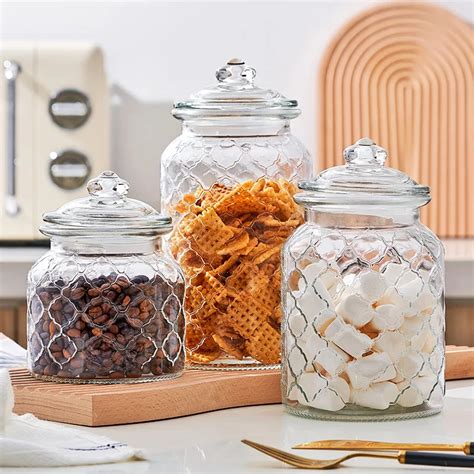
Practical Tip: Always follow tested, up-to-date recipes from reliable sources like the National Center for Home Food Preservation to ensure safety.
Dehydrating: Concentrated Flavor and Nutrition
Dehydrating removes water content from food, inhibiting microbial growth and concentrating flavors. This method is fantastic for fruits (think apple chips, dried apricots), herbs (oregano, basil), tomatoes, and even making vegetable powders or jerky. You can use a dedicated food dehydrator, a low oven setting, or even direct sunlight in very dry climates.
Dried foods take up minimal storage space and are excellent for snacks, trail mixes, or reconstituting in soups and stews.

Fermentation: Probiotic Powerhouse
Fermentation is an ancient preservation technique that not only extends shelf life but also enhances nutritional value by creating beneficial probiotics. Making sauerkraut, kimchi, or fermented pickles is surprisingly simple, often requiring just vegetables, salt, and water. The process involves friendly bacteria converting sugars into lactic acid, which preserves the food and gives it a distinct tangy flavor.
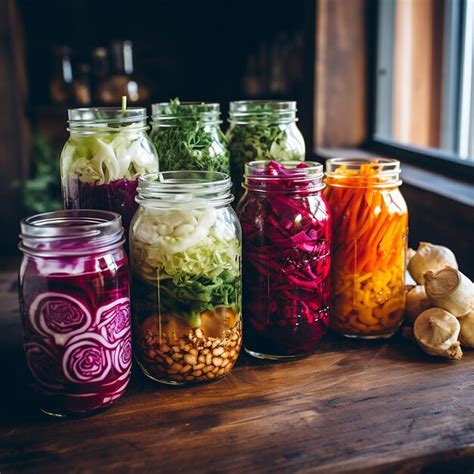
Practical Tip: Ensure your fermenting vegetables are submerged under brine to prevent mold growth. Use a clean jar and a weight.
Root Cellaring & Simple Storage: Nature’s Pantry
Some vegetables are designed for long-term storage in cool, dark, and often humid conditions without any processing. Root vegetables like potatoes, carrots, beets, and onions, as well as winter squash and apples, can last for months in a proper root cellar, cool basement, or even a simple unheated closet. Good air circulation and protection from light are key.
![🔥 [60+] Free Winter Pictures Wallpapers | WallpaperSafari](/images/aHR0cHM6Ly90czMubW0uYmluZy5uZXQvdGg/aWQ9T0lQLnphX0VCM1gxbmd4MW0wRkZWem1FNmdIYU5LJnBpZD0xNS4x.webp)
Integrating Preserved Foods into Real Meals
The true reward of preservation comes when you integrate your garden’s bounty into delicious real food meals throughout the year:
- Frozen berries: Perfect for smoothies, oatmeal, or baking into muffins.
- Canned tomatoes: Form the base of hearty winter chilis, pasta sauces, and soups.
- Dehydrated herbs: Flavor roasts, stews, and homemade dressings.
- Fermented vegetables: Add a tangy, probiotic punch to sandwiches, salads, or as a side dish.
- Stored squash and root vegetables: Roast, mash, or incorporate into casseroles and stews.
Embrace the Harvest
Preserving your garden bounty is a rewarding journey that connects you more deeply to your food and ensures a supply of wholesome ingredients for real food meals. Start with one method that excites you, perhaps freezing, and gradually explore others as your confidence grows. Every jar, bag, or dehydrated slice is a step towards a more self-sufficient and delicious kitchen.