




Best ways to preserve garden bounty for year-round scratch cooking?

Embrace the Harvest: Preserving for Year-Round Deliciousness
There’s immense satisfaction in harvesting fresh produce from your garden. The vibrant colors, the crisp textures, and the unparalleled flavor are fleeting joys unless you take steps to preserve them. Transforming your seasonal bounty into ingredients for year-round scratch cooking is a skill that not only saves money but also ensures a constant supply of wholesome, home-grown goodness. Let’s explore the most effective and popular preservation methods that will keep your pantry stocked with garden-fresh flavors.
Freezing: The Easiest Path to Preservation
Freezing is arguably the simplest and most accessible method for preserving a wide variety of fruits and vegetables, retaining much of their original flavor and nutritional value. From berries and peaches to corn, peas, and blanched greens, almost anything can be frozen. The key to successful freezing is often blanching vegetables first to stop enzyme action, followed by flash freezing on a tray before transferring to airtight containers or freezer bags to prevent freezer burn.

This method is perfect for busy gardeners, allowing you to quickly process large quantities of produce. Imagine grabbing frozen berries for winter smoothies or pre-portioned blanched green beans for a quick side dish in February!
Canning: Jars of Shelf-Stable Goodness
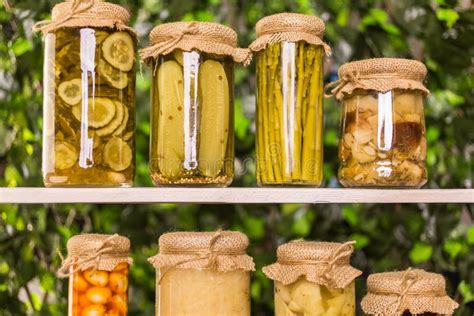
Canning offers the immense satisfaction of rows of colorful jars lining your pantry shelves, each holding a piece of your garden’s legacy. There are two primary methods: water bath canning and pressure canning.
- Water Bath Canning: Ideal for high-acid foods like fruits, jams, jellies, pickles, and most tomato products. This method involves submerging filled, sealed jars in boiling water for a specific period to create a vacuum seal.
- Pressure Canning: Essential for low-acid foods such as most vegetables (green beans, corn, carrots), meats, and poultry. A pressure canner heats food to a much higher temperature than boiling water, eliminating the risk of botulism.
Canning requires careful adherence to tested recipes and safety guidelines, but the reward is a pantry full of delicious, shelf-stable ingredients ready for any scratch-cooking adventure, from tomato sauce to dilly beans.
Dehydrating: Concentrating Flavors and Nutrients
Dehydrating, or drying, removes moisture from food, inhibiting spoilage and concentrating flavors. This ancient method is perfect for herbs, fruit leathers, sun-dried tomatoes, mushroom slices, and even creating vegetable powders for seasoning or thickening sauces. A food dehydrator provides controlled heat and airflow, though some items can be air-dried or oven-dried.
Dried foods are lightweight, take up minimal storage space, and offer an intense burst of flavor. Think about adding dried herbs to stews, rehydrating mushrooms for stir-fries, or snacking on healthy fruit leathers made from your excess apples or berries.

Fermenting: Probiotic Power and Unique Flavors
Fermentation is a transformative process that not only preserves food but also enhances its nutritional value and creates complex, tangy flavors. From classic sauerkraut and kimchi to fermented pickles and hot sauces, this method utilizes beneficial bacteria to convert sugars into lactic acid, extending shelf life and introducing probiotics to your diet.
Fermented foods are a fantastic addition to any scratch kitchen, offering a zesty counterpoint to rich dishes or serving as standalone condiments. The process is surprisingly simple, often requiring just salt, vegetables, and a bit of time.
Root Cellaring and Dry Storage: Simple, Low-Tech Solutions
For certain crops, sometimes the simplest methods are the best. Root cellaring (or any cool, dark, and humid space) is ideal for storing hardy root vegetables like potatoes, carrots, beets, and parsnips, as well as winter squash and apples, for months without any special equipment beyond proper ventilation.
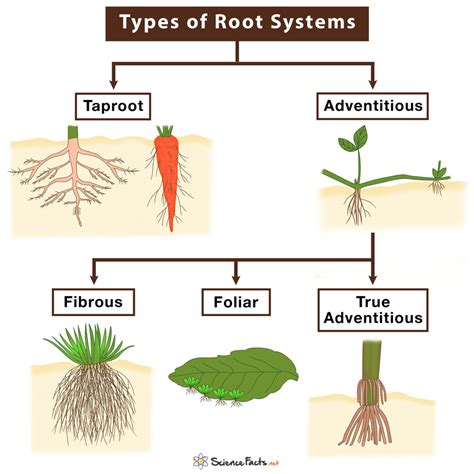
Onions, garlic, and dried beans prefer cool, dry conditions and can be stored in mesh bags or crates. Understanding the specific needs of each vegetable can significantly extend your fresh produce supply through the colder months.
Integrating Preserved Bounty into Your Scratch Cooking
The beauty of preserving your garden’s harvest lies in its versatility for year-round scratch cooking. Frozen corn can be added to chowders, canned tomatoes become the base for countless pasta sauces, dehydrated herbs infuse flavor into winter roasts, and fermented vegetables provide a lively kick to sandwiches or salads. By combining these methods, you create a diverse pantry that allows you to cook from scratch with wholesome, garden-fresh ingredients, regardless of the season.

Embrace the satisfaction of a well-stocked larder, filled with the fruits of your labor, ready to inspire delicious and nutritious meals throughout the year. Happy preserving!