



What natural pest control methods truly work for organic vegetable gardens?

Embracing Nature’s Solutions for a Healthy Harvest
Cultivating a thriving organic vegetable garden is a rewarding endeavor, but it often comes with the challenge of unwelcome guests: pests. While chemical pesticides offer a quick fix, they harm beneficial insects, contaminate produce, and disrupt the delicate ecosystem you’re trying to foster. The good news is that numerous natural pest control methods are incredibly effective, working in harmony with nature to protect your precious crops.

Prevention is Key: Building a Resilient Garden
The first and most effective line of defense against pests is prevention. A healthy garden is inherently more resistant to infestations.
- Healthy Soil, Healthy Plants: Nutrient-rich, well-draining soil leads to strong, vigorous plants that are less susceptible to pest attacks. Incorporate plenty of organic matter like compost and aged manure.
- Choose Resistant Varieties: Select vegetable varieties known for their resistance to common local pests and diseases.
- Proper Spacing: Ensure adequate air circulation by spacing plants correctly. Overcrowding creates humid conditions perfect for fungal diseases and hides pests.
- Crop Rotation: Rotate your crops annually to break pest cycles and prevent specific pests from building up in one area. For example, don’t plant tomatoes in the same spot year after year.
Physical Barriers and Manual Removal
Sometimes, the simplest methods are the most effective.
- Row Covers: Lightweight floating row covers can physically exclude many flying insects like cabbage moths, squash bugs, and cucumber beetles. Drape them over plants and secure the edges, ensuring they don’t touch the foliage, which could allow pests to lay eggs through the cover.
- Hand-Picking: For larger pests like tomato hornworms, slugs, or Colorado potato beetles, manual removal is highly effective. Inspect your plants regularly and simply pick off pests, dropping them into a bucket of soapy water.
- Traps: Yellow sticky traps can catch aphids, whiteflies, and fungus gnats. Pheromone traps can target specific pests, while beer traps are great for slugs and snails.

Harnessing Nature’s Allies: Beneficial Insects and Companion Planting
Working with nature means inviting beneficial insects to your garden – the pest control specialists!
- Attract Beneficial Insects: Plant flowering herbs and flowers like dill, cilantro, calendula, cosmos, and sunflowers to provide nectar and pollen for ladybugs, lacewings, hoverflies, and predatory wasps, all of which feast on garden pests.
- Companion Planting: Strategically plant certain species together. Marigolds are known to repel nematodes and other pests, while basil planted near tomatoes can deter tomato hornworms. Nasturtiums act as a trap crop, drawing aphids away from more desirable plants.

DIY Organic Sprays and Repellents
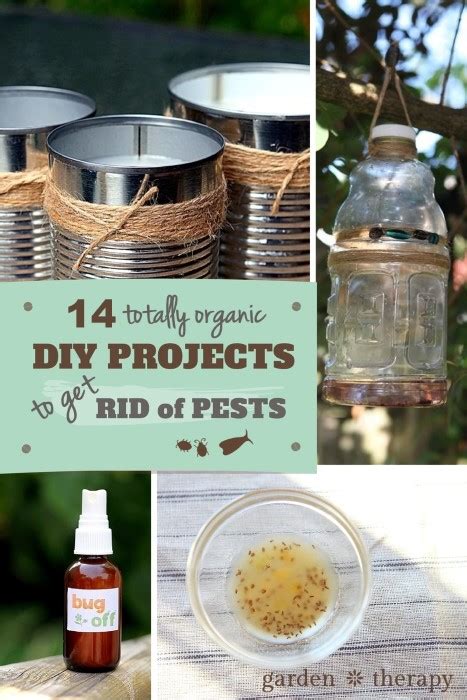
When infestations start to get out of hand, a targeted organic spray can help without resorting to harsh chemicals.
- Neem Oil: Derived from the neem tree, this natural insecticide disrupts insect feeding and growth. It’s effective against aphids, spider mites, whiteflies, and more. Always follow label instructions carefully.
- Insecticidal Soap: A simple solution of mild liquid soap and water (avoid detergents) can suffocate soft-bodied insects like aphids and spider mites on contact. Spray directly onto the pests.
- Garlic and Pepper Sprays: Homemade concoctions using garlic, hot peppers, or onion can deter pests due to their strong odors and irritating compounds. Blend with water, strain, and spray.

Integrated Pest Management (IPM) for the Organic Gardener
The most successful organic gardeners employ an Integrated Pest Management (IPM) approach. This means combining multiple strategies, starting with prevention and only escalating to intervention when necessary.
- Monitor Regularly: Early detection is crucial. Inspect your plants daily for any signs of pests or damage.
- Identify the Pest: Know your enemy. Different pests require different tactics.
- Choose Least Toxic Solutions First: Always start with the gentlest method – hand-picking, attracting beneficials, or physical barriers – before moving to organic sprays.
- Evaluate and Adjust: Observe the effectiveness of your chosen method and be prepared to try something different if it’s not working.
A Balanced Approach for a Bountiful Harvest
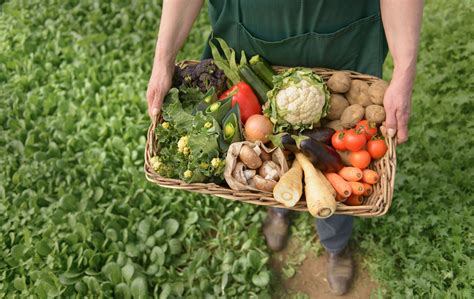
Natural pest control is an ongoing process of observation, learning, and adapting. It requires patience and a willingness to work with, rather than against, nature. By building a healthy garden ecosystem, encouraging beneficial insects, and employing targeted non-chemical interventions, you can enjoy a bountiful harvest of organic vegetables, free from harmful chemicals, and truly in harmony with your country living ethos.