





How to use vegetable scraps for flavourful broths & zero-waste cooking?
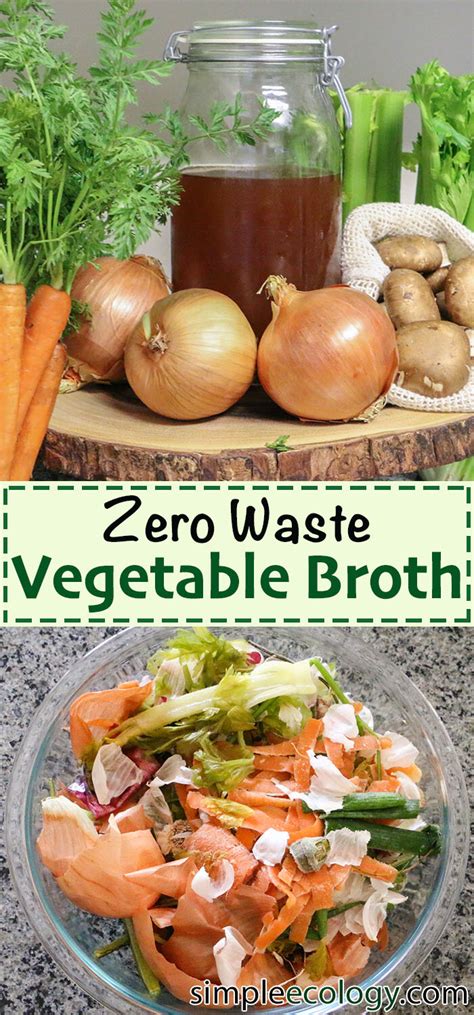
The Hidden Gold in Your Kitchen
In an era where sustainability and conscious consumption are more important than ever, many of us are looking for ways to reduce waste in our daily lives. The kitchen, often a prime source of discarded items, presents a fantastic opportunity for positive change. One of the simplest and most rewarding ways to achieve this is by repurposing vegetable scraps into delicious, homemade broths.
Instead of tossing those onion skins, carrot peels, and herb stems into the bin, imagine them contributing to a deeply flavourful stock that forms the base of countless meals. This practice not only minimizes food waste but also saves money and ensures you have a wholesome, preservative-free broth always on hand.

The Best Scraps for Broth
Not all scraps are created equal when it comes to broth making. Knowing what to save and what to avoid is key to a delicious outcome. Here’s a guide to the best contenders for your scrap bag:
- Onion skins and ends: These add a beautiful golden colour and deep umami flavour.
- Carrot peels and ends: Contribute sweetness and a vibrant hue.
- Celery ends and leaves: Essential for a classic mirepoix flavour base.
- Mushroom stems: Packed with earthy flavour, perfect for a rich broth.
- Herb stems: Parsley, cilantro, and thyme stems offer aromatic depth.
- Garlic skins and ends: Infuse a subtle garlic flavour without being overpowering.
- Bell pepper cores and seeds: Add a mild sweetness.
- Corn cobs: If making a sweet or summer-themed broth, these add wonderful flavour.
- Leek greens: Aromatic and flavourful, but wash thoroughly.
What to avoid: Starchy vegetables like potato peels can make broth cloudy. Brassicas (broccoli, cauliflower, cabbage, Brussels sprouts) can impart a bitter or overly strong flavour. Beets can turn your broth an unappetizing red colour.
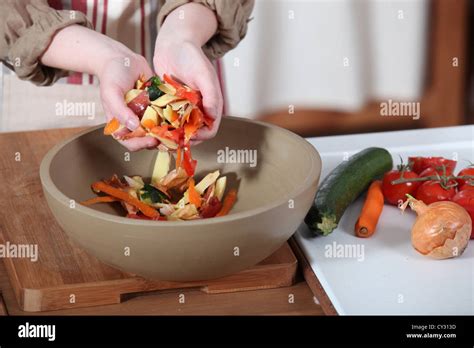
Storing Your Scraps Smartly
The easiest way to accumulate enough scraps for a substantial batch of broth is to store them as you go. Keep a designated freezer-safe bag or container in your freezer. Every time you chop vegetables, simply toss the usable scraps into this container. Once it’s full, you’re ready to make broth!
Freezing prevents the scraps from spoiling and ensures their flavours remain fresh until you’re ready to cook. It’s a no-fuss method that allows you to gradually build your broth ingredients without any extra effort.

The Simple Art of Broth Making
Making broth from scraps is incredibly straightforward. Here’s a basic method:
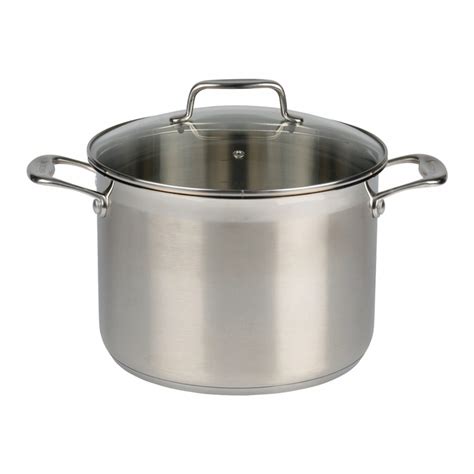
- Gather Your Scraps: Empty your freezer bag of vegetable scraps into a large stockpot.
- Add Aromatics (Optional): For an extra layer of flavour, you can add a bay leaf, a few black peppercorns, and maybe a sprig of fresh rosemary or thyme (if you didn’t save stems).
- Cover with Water: Add enough cold water to completely cover the vegetable scraps, plus an inch or two extra.
- Simmer: Bring the water to a boil, then immediately reduce the heat to a gentle simmer. Cover partially and let it cook for at least 1-2 hours, or even longer for a deeper flavour (up to 4 hours is fine). The longer it simmers, the more flavour will be extracted.
- Strain: Once the broth has simmered to your liking, remove it from the heat. Carefully strain the broth through a fine-mesh sieve or colander lined with cheesecloth into a clean bowl or pot. Discard the cooked scraps (or compost them!).
- Cool and Store: Allow the broth to cool completely before transferring it to airtight containers. It can be stored in the refrigerator for up to 5 days or frozen for several months.
Tips for a Superior Scrappy Broth
- Roast First: For an even deeper, more complex flavour, spread your defrosted vegetable scraps on a baking sheet and roast them at 400°F (200°C) for 20-30 minutes until slightly caramelized before adding them to your pot.
- Don’t Overcook: While longer simmering extracts more flavour, don’t let it go too long (e.g., overnight) as some vegetables can start to break down too much and impart bitter notes.
- Season Later: Avoid adding salt to your broth during the cooking process. This allows you to control the seasoning when you use the broth in a recipe, preventing it from becoming too salty.
- Use Filtered Water: If your tap water has a strong flavour, using filtered water can make a noticeable difference in the taste of your broth.
Beyond Broth: More Zero-Waste Ideas
While broth is a fantastic use for many scraps, here are a few other ways to reduce food waste in your kitchen:
- Composting: For scraps unsuitable for broth, composting is the ultimate zero-waste solution, returning nutrients to the soil.
- Regrowing Scraps: Parts of celery, lettuce, green onions, and even ginger can be regrown in water or soil for a continuous supply.
- Making Powders: Dehydrated onion skins or mushroom stems can be ground into powders to add umami flavour to dishes.
- Infused Oils/Vinegars: Herb stems can be used to infuse oils or vinegars for dressings and marinades.
Embrace the Zero-Waste Kitchen
Transforming vegetable scraps into flavourful broths is a simple yet powerful step towards a more sustainable and cost-effective kitchen. It’s a practice that honours your ingredients, reduces your ecological footprint, and enriches your cooking with wholesome, homemade goodness. Start collecting your scraps today and discover the rich rewards of zero-waste cooking!