



How to preserve garden herbs for winter use: drying, freezing, or oil infusion?
The bounty of a summer herb garden is a joy, but as cooler weather approaches, many gardeners wonder how to extend that fresh flavor. Preserving your homegrown herbs allows you to savor their aromatic essence long after the growing season ends. Fortunately, there are several effective methods, each suited to different herb types and culinary uses. Let’s explore drying, freezing, and oil infusion to keep your kitchen stocked all winter.
Drying Herbs for Long-Term Storage
Drying is one of the oldest and simplest methods for preserving herbs. It concentrates their flavors and allows for long-term storage in a pantry. The key to successful drying is to remove moisture quickly and efficiently while retaining essential oils.
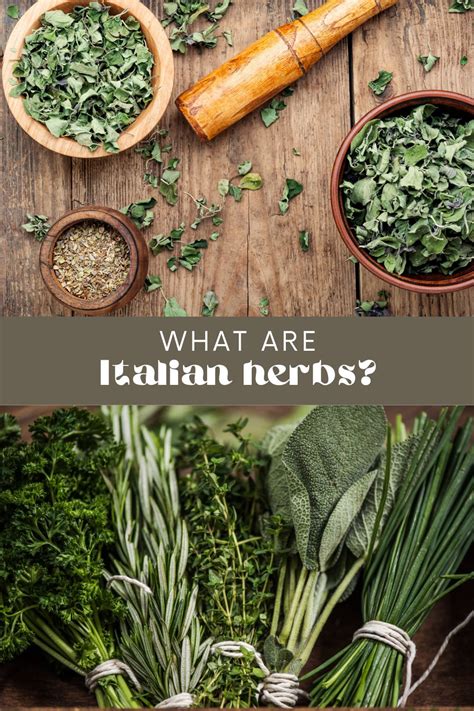
- Air Drying: Best for hardy herbs like rosemary, thyme, oregano, and marjoram. Bundle small sprigs and hang them upside down in a warm, dry, well-ventilated area away from direct sunlight.
- Dehydrator: A food dehydrator offers precise temperature control and is excellent for most herbs, including more delicate ones like mint and lemon balm. Follow your dehydrator’s instructions for best results.
- Oven Drying: A low oven setting (under 100°F/38°C) can work, but watch carefully to prevent cooking rather than drying.
Best Herbs for Drying: Rosemary, Thyme, Oregano, Marjoram, Sage, Bay Leaves, Lavender.
Tips: Harvest herbs in the morning after dew has dried. Ensure they are clean and free of moisture before drying. Store dried herbs in airtight containers away from light and heat.
Freezing Herbs to Lock in Freshness
Freezing is an excellent way to preserve the fresh flavor and vibrant color of many herbs, especially those with high water content or delicate leaves. This method is ideal for herbs you want to use in cooked dishes, as the texture may change slightly upon thawing.
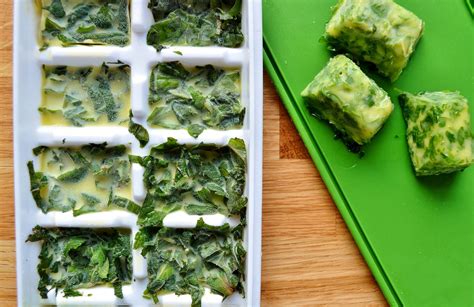
- Ice Cube Trays: Chop herbs finely, pack them into ice cube trays, top with water or olive oil, and freeze. Once frozen, pop out the cubes and store them in freezer bags. These “herb bombs” are perfect for adding directly to soups, stews, or sauces.
- Freezing Whole/Chopped: For larger quantities or herbs you plan to crumble, lay clean, dry sprigs or chopped herbs on a baking sheet to freeze individually, then transfer to freezer bags. This prevents clumping.
Best Herbs for Freezing: Parsley, Cilantro, Basil, Chives, Mint, Dill, Lemon Balm, Tarragon.
Tips: Wash and thoroughly dry herbs before freezing to prevent ice crystal formation. Label and date your freezer bags.

Infusing Herbs in Oil for Flavorful Cooking
Infusing herbs in oil creates flavorful cooking oils that can be used for dressings, marinades, or sautéing. This method extracts the herb’s soluble compounds into the oil, imparting its essence. While delicious, it’s crucial to follow safety guidelines to prevent botulism.
- Cold Infusion: Pack clean, thoroughly dried herbs into a sterile jar, cover completely with high-quality olive oil or another preferred oil, and seal. Store in a cool, dark place for 2-4 weeks, shaking occasionally. Strain out the herbs before use.
- Hot Infusion: Gently heat oil and herbs (avoiding high heat) in a double boiler for several hours. This method speeds up the infusion process. Strain and store.
Best Herbs for Oil Infusion: Rosemary, Thyme, Oregano, Basil (ensure extremely dry), Garlic (use with extreme caution or prepare and store in the refrigerator, consuming within a few days).
Safety Warning: Fresh herbs contain moisture and can harbor Clostridium botulinum spores, which thrive in anaerobic (oxygen-free) environments like oil. Always ensure herbs are completely dry before infusing them in oil, and ideally, store infused oils in the refrigerator and use within 1-2 weeks. For longer storage, consider making herb vinegars or using dried herbs for oil infusions.
Choosing the Best Preservation Method
The best preservation method often depends on the herb itself and its intended culinary use.
- Hardy, low-moisture herbs (rosemary, thyme, oregano, sage) excel at drying.
- Delicate, high-moisture herbs (parsley, cilantro, basil, chives) maintain better flavor and color when frozen.
- Aromatic herbs (rosemary, thyme, oregano) are excellent for oil infusions, provided proper drying and storage precautions are taken.
Consider how you typically use the herb. If you add it to cooked dishes, freezing is often superior. If you need a sprinkle for garnish or a dry rub, drying is perfect.

General Tips for Maximizing Herb Shelf Life
No matter the method, a few general guidelines will help maximize the longevity and flavor of your preserved herbs.
- Harvesting: Pick herbs in the morning after the dew has dried, but before the heat of the day.
- Cleanliness: Gently wash herbs if necessary, and ensure they are thoroughly dry before processing.
- Labeling: Always label your containers with the herb type and the date of preservation.
- Storage: Store dried herbs in airtight containers away from light, heat, and moisture. Store frozen herbs in airtight freezer bags or containers. Refrigerate infused oils and use quickly.
Conclusion
With these simple yet effective preservation techniques, you can extend the joy of your garden’s harvest well into the colder months. Whether you choose to dry, freeze, or infuse your herbs in oil, you’ll be able to add a touch of summer freshness to your winter cooking, enhancing flavors and enjoying the fruits of your labor year-round.