




Best tips for storing winter vegetables without a dedicated root cellar?

As the harvest season winds down and the chill of winter approaches, many homesteaders and gardeners face the perennial challenge of preserving their bounty. While a dedicated root cellar is the dream for long-term storage, it’s not a reality for everyone. The good news is, with a bit of ingenuity and understanding of your vegetables’ specific needs, you can extend the life of your winter crops well into the colder months using everyday spaces and simple techniques.
Understanding Your Vegetables’ Storage Needs
Not all vegetables are created equal when it comes to storage. Some thrive in cool, dry conditions, while others prefer a more humid environment. Knowing these preferences is the first step to successful preservation without a root cellar.
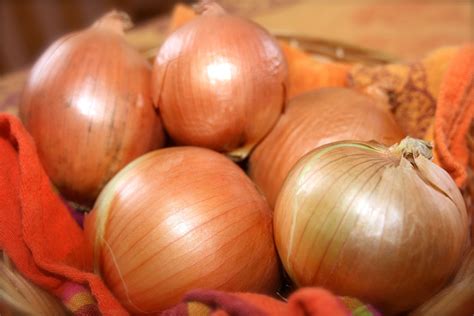
- Cool & Dry (50-60°F / 10-15°C, low humidity): Onions, garlic, winter squash (butternut, acorn, pumpkin), sweet potatoes (after curing).
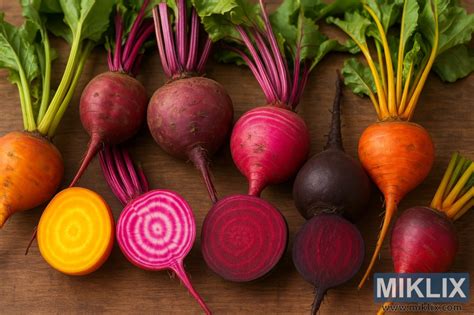
- Cool & Humid (35-45°F / 1-7°C, high humidity): Carrots, beets, parsnips, turnips, potatoes, cabbage, apples.

Key Principles for Successful Storage
Regardless of your specific setup, a few universal principles will guide your storage efforts:
- Curing: Some vegetables, like onions, garlic, and winter squash, benefit from a period of curing immediately after harvest. This hardens their skins and improves their storage life.
- Darkness: Light can cause potatoes to turn green and sprout, and can degrade the quality of many other vegetables. Store produce in dark conditions.
- Air Circulation: Good airflow prevents moisture buildup and spoilage. Avoid packing vegetables too tightly.
- Inspection: Before storage, ensure all vegetables are free from blemishes, cuts, or disease. One bad apple (or potato!) can spoil the whole bunch.
- Pest Control: Keep stored produce safe from rodents and insects.
Creative Storage Solutions Around Your Home
Unheated Basements or Garages
These spaces often mimic the cooler temperatures of a root cellar, especially during winter. They are ideal for crops that prefer cool, dry conditions.
- Onions & Garlic: Braid them or hang them in mesh bags from rafters. The key is good airflow and consistent coolness.
- Winter Squash & Pumpkins: Store on shelves or pallets, ensuring they don’t touch each other. A steady temperature between 50-60°F (10-15°C) is ideal.
- Sweet Potatoes: After curing for 10-14 days at warm temperatures (80-85°F), store them gently in a cool, dry place around 55-60°F.
DIY Cool & Humid Storage
For root crops that need both coolness and humidity, you’ll need to get a bit more creative.
- Cooler Boxes with Sand/Sawdust: Layer root vegetables (carrots, beets, parsnips, turnips) in plastic bins or coolers with damp sand, sawdust, or peat moss. Ensure the medium is moist but not wet. Store these in your coolest available spot, such as an unheated mudroom or garage, protecting from freezing.
- Burying in the Garden (Temporary): For very short-term storage in mild climates, some root crops can be left in the ground and covered with a thick layer of straw, leaves, or burlap to prevent freezing. Harvest as needed.
- Unused Refrigerator Crisper Drawers: While not for large quantities, a spare refrigerator can provide excellent cool, humid storage for smaller batches of root vegetables, cabbage, or even apples. Wrap items like cabbage in newspaper to maintain moisture and prevent odors from spreading.
Alternative Preservation Methods
For vegetables that don’t store well fresh or if you have an abundance, consider other preservation methods as part of your winter storage strategy:
- Freezing: Most vegetables can be blanched and frozen for long-term storage. This is excellent for green beans, corn, peas, broccoli, and spinach.
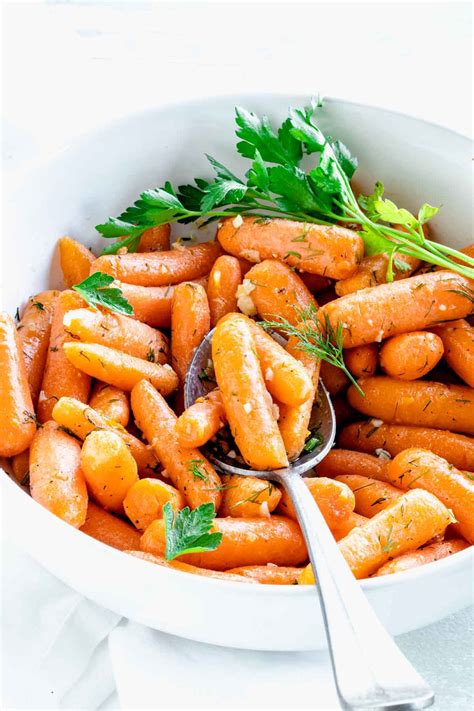
- Dehydrating: Many vegetables, including carrots, celery, tomatoes, and greens, can be dehydrated, reducing their volume and making them shelf-stable for extended periods.
- Canning & Pickling: Pressure canning for low-acid vegetables or water bath canning for high-acid items (like pickled beets) are robust methods for long-term pantry storage.
Monitoring and Maintenance
Regularly check your stored vegetables. Remove any items showing signs of spoilage immediately to prevent it from spreading. Adjust conditions if you notice issues – for example, increase ventilation if you see condensation, or add more damp sand if roots are shriveling.
Storing your winter harvest without a dedicated root cellar is absolutely achievable. By understanding the specific needs of your vegetables and utilizing the cooler, darker spaces your home already offers, you can enjoy your homegrown bounty long after the growing season has ended. A little planning and creativity go a long way in ensuring your pantry remains stocked with nutritious, homegrown food.