




Simple ways to involve kids in scratch cooking & homestead tasks daily?

In a world increasingly disconnected from the origins of food and basic home maintenance, involving children in scratch cooking and homestead tasks daily offers immense benefits. It’s more than just chores; it’s about building life skills, fostering a sense of responsibility, and strengthening family bonds. The good news is that integrating these activities doesn’t require a full-fledged farm; even urban families can find simple, age-appropriate ways to get kids involved.
The Benefits of Early Involvement
Engaging children in daily household and food preparation tasks teaches them invaluable lessons. They learn about nutrition, food sourcing, and the effort required to put a meal on the table. Beyond the kitchen, homestead tasks like gardening or caring for pets instill an understanding of nature, animal welfare, and the importance of stewardship. These activities also boost their confidence, problem-solving abilities, and fine motor skills. Plus, working together as a family creates cherished memories and a strong sense of teamwork.

In the Kitchen: Culinary Adventures
Scratch cooking might sound daunting with kids, but many tasks are perfectly suited for little hands. Start simple and be patient. Toddlers can wash vegetables, tear lettuce for salads, or stir ingredients in a bowl. Preschoolers can measure non-liquid ingredients, spread sauces, or knead dough. Older children can chop vegetables (with supervision), read recipes, crack eggs, or even prepare an entire simple dish themselves. Assigning a small, recurring task, like setting the table or helping to clean up after meals, ensures consistent involvement.

Beyond the Kitchen: Homestead Helpers
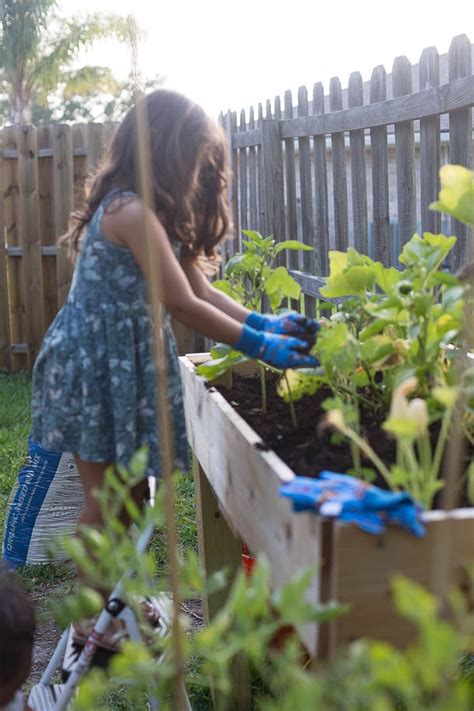
Homestead tasks extend beyond cooking and can be adapted for any living situation. If you have a garden, children can help water plants, plant seeds, pick ripe produce, or pull weeds. For those with pets, daily feeding, refilling water bowls, or simple grooming tasks are excellent responsibilities. Even without a garden or pets, tasks like composting kitchen scraps, sorting recycling, sweeping floors, or helping to organize tools in a shed count as contributing to the household’s functionality. Make it a game or a challenge to keep them engaged.

Making it Fun and Age-Appropriate
The key to consistent involvement is making tasks enjoyable and ensuring they’re suitable for your child’s developmental stage. Don’t expect perfection; focus on participation. Let them choose what they want to help with from a list of options. Use child-safe tools and explain the ‘why’ behind each task. Celebrate their efforts, even if the results aren’t perfect. Creating a ‘family cookbook’ with recipes they helped make, or a ‘homestead journal’ to track their contributions, can also be powerful motivators.

Consistency and Patience are Key
Establishing a routine is crucial. Perhaps every evening, one child is responsible for helping with dinner prep, or Saturday mornings are dedicated to gardening. Be prepared for messes and slower progress initially. The goal isn’t efficiency but engagement and learning. Model a positive attitude towards these tasks yourself, and your children will be more likely to follow suit. Over time, these simple daily habits will become second nature, equipping your children with essential life skills and a deep appreciation for their home and the food they eat.
Involving kids in scratch cooking and homestead tasks daily isn’t just about getting things done; it’s about raising capable, confident, and connected individuals who understand the value of hard work and self-sufficiency. Start small, be consistent, and watch your children thrive as valuable members of your family ‘homestead,’ no matter its size.