




Effective homemade spray to stop aphids on organic herb gardens?

Tackling Aphids Organically in Your Herb Garden
Aphids are tiny, soft-bodied insects that can wreak havoc on an otherwise thriving herb garden. They suck the sap from plants, leading to distorted growth, yellowing leaves, and a sticky residue known as honeydew, which can attract sooty mold. For those cultivating organic herb gardens, using chemical pesticides is not an option, as these can contaminate your edible plants and harm beneficial insects. Fortunately, nature offers powerful, non-toxic solutions.
Creating your own aphid spray at home is a safe, cost-effective, and environmentally friendly way to protect your beloved herbs. These DIY remedies utilize common household ingredients that effectively deter and eliminate aphids without introducing harsh chemicals into your garden or onto your food.

Why Choose DIY Aphid Control?
When it comes to organic gardening, what you spray on your plants is just as important as what you plant in the soil. Homemade aphid sprays offer several advantages:
- Safety: They are non-toxic to humans, pets, and beneficial insects when used correctly, ensuring your herbs remain safe to consume.
- Cost-Effective: Most ingredients are already in your pantry or easily accessible and inexpensive.
- Eco-Friendly: You avoid contributing to chemical runoff and pesticide resistance in pests.
- Immediate Access: No need for a trip to the garden center; you can mix a batch whenever you spot an infestation.
Effective Homemade Spray Recipes
1. Soapy Water Spray
This is arguably the most common and effective homemade aphid killer. The soap breaks down the waxy coating on the aphids, causing them to dehydrate and die. It works by smothering them, not poisoning the plant.
Ingredients:
- 1 tablespoon mild liquid dish soap (avoid harsh detergents with degreasers or bleach)
- 1 quart (about 1 liter) water
Instructions:
- Combine the soap and water in a spray bottle.
- Shake gently to mix, but avoid creating too many suds.
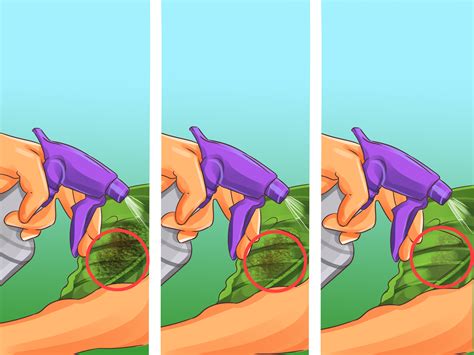
- Spray directly onto aphids, ensuring full coverage on the undersides of leaves where they often hide.

2. Garlic and Chili Pepper Spray
Garlic and chili peppers contain compounds that are highly irritating to many soft-bodied insects, including aphids. This spray acts as a repellent and can disrupt their feeding habits.
Ingredients:
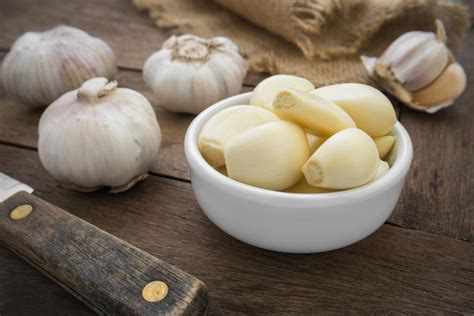
- 1 whole head of garlic, peeled
- 1-2 teaspoons cayenne pepper or 2-3 small, hot chili peppers (e.g., jalapeños, habaneros)
- 1 quart (about 1 liter) water
- 1 teaspoon mild liquid dish soap (optional, as an emulsifier)
Instructions:
- Mince or crush the garlic and chili peppers.
- Combine them with water in a jar. Let it sit for at least 24 hours, or boil briefly and let steep until cool for a stronger solution.
- Strain the mixture through a cheesecloth or fine sieve to remove solids.
- Add the optional dish soap to the strained liquid.
- Pour into a spray bottle and apply as with the soapy water spray.
3. Rubbing Alcohol Solution
Diluted rubbing alcohol can effectively kill aphids on contact by dissolving their outer layer. Use with caution, as some sensitive plants may react poorly.
Ingredients:
- 1 part rubbing alcohol (70% isopropyl alcohol)
- 1 part water
Instructions:
- Mix equal parts rubbing alcohol and water in a spray bottle.
- Apply directly to aphids. Test on a small area of the plant first to ensure it doesn’t cause damage.
Application Tips for Success
- Test First: Always test any new spray on a small, inconspicuous part of your herb plant before treating the entire plant, especially with alcohol or stronger solutions, to ensure there’s no adverse reaction.
- Spray Thoroughly: Aphids love to hide on the undersides of leaves and in new growth. Ensure you coat all affected areas completely.
- Timing: Apply sprays in the early morning or late evening when temperatures are cooler and the sun isn’t as intense. This prevents leaf burn and allows the spray to work effectively before evaporating.
- Repeat as Needed: Homemade sprays often require repeat applications every 2-3 days for about two weeks to fully eradicate an infestation, as they only kill on contact and don’t have residual effects. Be persistent!
- Rinse if Desired: For edible herbs, you can gently rinse the plants with plain water a few hours after application, or the next day, especially if using a soap-based spray.
Preventative Measures for a Healthy Herb Garden
While homemade sprays are excellent for active infestations, prevention is always the best defense. Encourage beneficial insects like ladybugs, lacewings, and hoverflies, which are natural predators of aphids, by planting companion flowers and avoiding broad-spectrum pesticides.
Regularly inspect your herb plants for early signs of aphids. A strong, healthy plant is also more resilient to pest attacks. Ensure proper watering, adequate sunlight, and good air circulation to keep your herbs robust and less attractive to pests.
Reclaim Your Organic Herb Garden
Don’t let aphids deter you from enjoying your organic herb garden. With these simple, effective, and natural homemade sprays, you have the power to protect your plants and ensure a bountiful, chemical-free harvest. Regular vigilance and consistent application will keep your herbs thriving and aphid-free, allowing you to snip fresh herbs with confidence.