





How to best preserve summer garden tomatoes for winter recipes?

Introduction: Extending Your Summer Bounty
There’s nothing quite like the flavor of a sun-ripened tomato straight from the garden. Its sweet, tangy juiciness is the quintessential taste of summer. But as the days shorten and the chill of winter approaches, many gardeners find themselves with an abundance of tomatoes, wishing they could capture that fresh taste for colder months. The good news is that with a few simple preservation techniques, you can enjoy your garden’s bounty in countless winter recipes, from hearty stews to vibrant pasta sauces.
Canning: The Classic Way to Preserve Tomatoes
Canning is arguably the most traditional and satisfying method for preserving tomatoes. It allows you to store whole, diced, crushed, or pureed tomatoes at room temperature for a year or more. For safety, remember that tomatoes are a borderline acidic food, so a little added acid (lemon juice or citric acid) is often recommended, especially for water bath canning.
Water Bath Canning Whole or Diced Tomatoes
To can whole or diced tomatoes, blanch them briefly in boiling water, then plunge into ice water to easily remove the skins. Core and chop as desired. Pack them into sterilized jars, adding a tablespoon of lemon juice or 1/4 teaspoon of citric acid per pint, or double for quarts. Fill with hot water or their own juices, leaving 1/2 inch headspace. Process according to tested recipes for your altitude.
Making and Canning Tomato Sauce or Passata
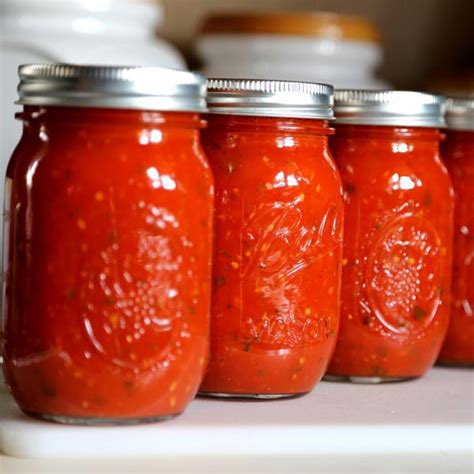
Transforming your harvest into a rich, homemade tomato sauce or passata is another excellent option. Cook down peeled and crushed tomatoes with desired herbs and seasonings until thickened. Puree for a smooth passata. Hot pack into sterilized jars, adding acid, and process in a water bath canner. This provides a versatile base for countless Italian dishes throughout winter.
Freezing: Simplicity and Versatility
Freezing is perhaps the easiest method for preserving tomatoes, requiring minimal equipment and effort. While the texture might soften slightly upon thawing, frozen tomatoes are perfect for cooking, dissolving beautifully into soups, sauces, and chilis.
Freezing Whole Tomatoes
For ultimate ease, simply wash and dry whole tomatoes (cherry tomatoes work exceptionally well this way). Place them in a single layer on a baking sheet and freeze until solid. Once frozen, transfer them to freezer-safe bags or containers. When ready to use, simply run them under warm water, and the skins will slip right off. No blanching required!
Freezing Puree or Roasted Tomatoes
Another fantastic method is to roast tomatoes with a little olive oil, garlic, and herbs until caramelized and tender. Allow to cool, then either freeze whole or blend into a rustic roasted tomato puree. Pour the puree into ice cube trays for small portions, or into freezer-safe containers and bags. This adds incredible depth of flavor to winter dishes.

Drying: Concentrated Tomato Flavor
Drying tomatoes concentrates their sugars and flavors, creating intensely savory and sweet sun-dried tomatoes perfect for salads, pasta, or as a flavorful snack. This can be done in a dehydrator, a low oven, or, if you live in a hot, dry climate, outdoors in the sun.
Oven or Dehydrator Drying
Slice tomatoes (roma or paste varieties work best) into 1/4 to 1/2 inch thick pieces. You can sprinkle with salt and herbs if desired. Arrange them on dehydrator trays or baking sheets lined with parchment paper. Dry at a low temperature (around 135°F / 57°C) until leathery and pliable, not brittle. This can take anywhere from 6 to 12 hours in a dehydrator, or longer in an oven.
Storing Dried Tomatoes
Once completely dry and cooled, store them in airtight containers. For longer preservation and added flavor, you can pack them in olive oil in sterilized jars, ensuring they are fully submerged. This creates a delicious infused oil too!

Tips for Success and Enjoying Your Winter Harvest
Regardless of the method you choose, always start with high-quality, ripe, and blemish-free tomatoes. Label all your preserved goods with the date and contents for easy identification. By investing a little time and effort during peak season, you’ll be rewarded with the vibrant taste of summer tomatoes, ready to brighten up your winter meals.
Imagine a rich tomato soup, a robust pasta sauce, or a flavorful chili, all made with the sweet essence of your own garden-fresh tomatoes, even when snow blankets the ground outside. Happy preserving!