




What’s the best rot-resistant wood for DIY raised garden beds on a budget?

Why Rot Resistance is Crucial for Raised Beds
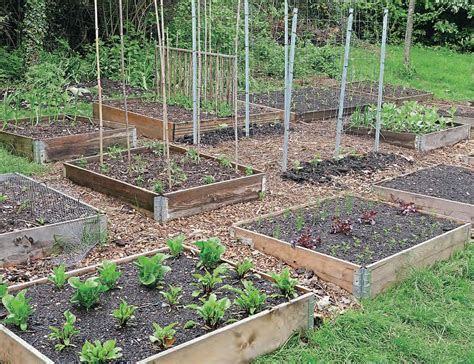
Building raised garden beds is a fantastic DIY project that offers numerous benefits, from better soil drainage and pest control to easier accessibility. However, the constant contact with moist soil and weather elements makes wood highly susceptible to rot. Choosing the right rot-resistant wood is paramount for the longevity and structural integrity of your beds, saving you from premature replacement and wasted effort – especially when you’re working with a budget.
Rot occurs when wood is exposed to moisture, oxygen, and temperatures conducive to fungal growth. In a raised bed, the interior of the wood is constantly damp from soil and watering, while the exterior faces rain, sun, and fluctuating humidity. Without proper resistance, your carefully constructed beds could deteriorate within just a few years.
Top Budget-Friendly Rot-Resistant Wood Options
1. Cedar (Western Red Cedar, Aromatic Cedar)
Cedar is widely considered one of the best choices for raised garden beds, offering a natural resistance to rot and insects due to its inherent oils. While it might seem a bit pricier than common pine, its longevity often makes it more cost-effective in the long run. Western Red Cedar is particularly popular, known for its beautiful reddish hue and pleasant aroma. It’s safe for growing edibles and relatively easy to work with.
2. Juniper
Similar to cedar in its natural resistance, juniper is another excellent option if available in your region. It’s highly durable and stands up well to decay, often at a comparable or slightly lower price point than cedar, depending on local supply. Juniper wood is also safe for food gardening.
3. Cypress (Bald Cypress, Atlantic White Cypress)
Cypress, especially its heartwood, contains cypressene, a natural preservative oil that provides excellent resistance to rot and insects. It’s particularly common in the southeastern U.S. and can be a very budget-friendly option in those areas. Cypress is also known for its stability and beautiful grain, making it a functional and aesthetic choice.
4. Untreated Pine (with modifications)
For the absolute tightest budgets, untreated pine is the cheapest option upfront. However, it’s naturally very susceptible to rot. To extend its life significantly, you’ll need to employ strategies like lining the interior with a pond liner or thick plastic sheeting (ensure good drainage holes). You can also apply non-toxic exterior sealants or paints specifically designed for garden use. While it won’t last as long as cedar or cypress, these measures can give you several seasons for a minimal initial investment.
Woods to Consider with Caution or Avoid
Pressure-Treated Wood
Historically, pressure-treated wood contained chromated copper arsenate (CCA), which is toxic and not recommended for raised beds intended for food. Modern pressure-treated woods often use alkaline copper quaternary (ACQ) or copper azole (CA), which are considered safer by some for non-food applications. However, for edible gardens, many gardeners still err on the side of caution and avoid direct contact with these chemicals, opting for natural wood or using a heavy-duty liner if pressure-treated wood is absolutely necessary for structural integrity.
Common Untreated Softwoods (Spruce, Fir Sapwood)
While inexpensive, generic untreated spruce or fir (especially the sapwood) will rot very quickly when exposed to soil and moisture. Without significant protective measures, these woods offer minimal longevity for raised beds and will likely need replacement within 1-3 years.
Tips for Extending the Life of Your Raised Beds
- Lining the Interior: Using a heavy-duty pond liner or 6-mil polyethylene plastic sheeting on the inside of your beds creates a barrier between the soil and the wood, significantly slowing down the rotting process. Remember to puncture drainage holes in the liner at the bottom.
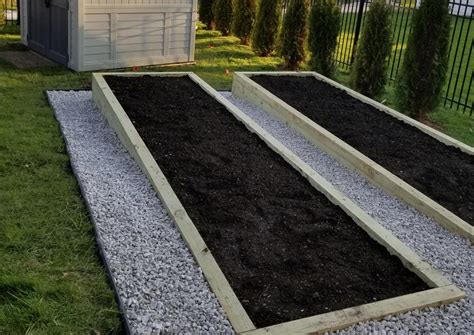
- Elevate Off the Ground: If possible, place your raised beds on gravel or pavers to prevent direct contact with the ground, which can wick moisture up into the wood.
- Exterior Treatments: While interior treatments should be non-toxic, the exterior of the wood can be treated with natural sealants like linseed oil, tung oil, or specific non-toxic exterior stains to protect against weathering.
- Good Drainage: Ensure your raised beds have adequate drainage at the bottom to prevent water from pooling and saturating the wood.
- Corner Protection: The corners are often the first to go. Consider using metal corner brackets or reinforcing them to prolong their life.
Making Your Choice
When selecting the best rot-resistant wood for your DIY raised garden beds on a budget, it truly comes down to balancing initial cost with expected lifespan and safety for your plants. While untreated pine is the cheapest upfront, cedar, juniper, and cypress offer superior natural resistance and longevity, often proving more economical in the long run. By carefully considering these options and implementing life-extending strategies, you can build beautiful, functional raised beds that will serve your garden for many seasons to come without breaking the bank.