




Best methods for preserving a glut of garden tomatoes into homemade sauces for winter?

Embracing the Summer Bounty: Preserving Your Tomato Glut
The joy of a flourishing tomato harvest is unparalleled for any home gardener. However, with abundance often comes the delightful challenge of what to do with a glut of ripe, juicy tomatoes before they pass their prime. The answer for many lies in the art of preservation, turning those sun-kissed fruits into rich, flavorful homemade sauces that can be savored all winter long. Moving beyond mere storage, creating your own sauces is a fantastic way to capture the essence of summer, ensuring your pantry is stocked with wholesome, delicious bases for countless meals.
First Steps: Selecting and Preparing Your Tomatoes
The success of your homemade sauce begins with the quality of your tomatoes. Choose ripe, firm tomatoes free from blemishes. While any tomato can be made into sauce, paste varieties like Roma, San Marzano, or Amish Paste have less water content and more flesh, making them ideal for thicker sauces. Beefsteak or heirloom varieties can also be used for a more rustic, flavorful sauce, though they may require longer cooking to reduce.
Basic Preparation:
- Washing: Rinse tomatoes thoroughly under cool water.
- Corning: Remove the green core from each tomato.
- Optional: Skinning and Seeding: For a smoother sauce, many prefer to remove skins and seeds. This can be done by blanching tomatoes in boiling water for 30-60 seconds, then immediately transferring them to an ice bath. The skins will slip off easily. Halve and squeeze gently to remove seeds if desired. Alternatively, an inexpensive food mill can skin and deseed cooked tomatoes efficiently.
Core Methods for Preparing Tomatoes for Sauce
There are several popular approaches to processing your tomatoes before they become a delicious sauce:
1. Roasting for Deep Flavor
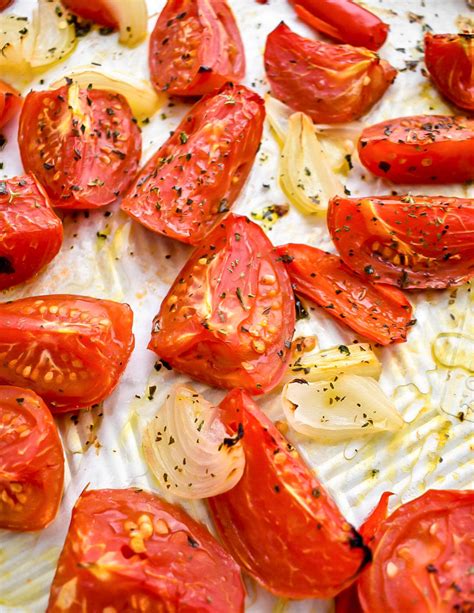
Roasting tomatoes before saucing them concentrates their flavors, adds a lovely sweetness, and introduces a subtle smoky depth. Halve or quarter your tomatoes, toss with a little olive oil, salt, and pepper, and roast at 375°F (190°C) for 30-60 minutes, until softened and slightly caramelized. This method requires less reduction time later and creates an incredibly rich sauce.
2. Blanching and Simmering (Traditional Method)
This is the classic approach. After skinning and optionally seeding, chop your tomatoes and place them in a large, heavy-bottomed pot. Bring to a simmer over medium heat, then reduce heat to low and cook for 1-2 hours (or longer), stirring occasionally, until the sauce reaches your desired consistency. This method allows the fresh, bright tomato flavor to shine.
3. Raw Processing for Quickness
For those short on time or seeking a very fresh-tasting sauce, simply core and chop raw tomatoes, then blend or pass through a food mill to your desired consistency. This raw puree can then be cooked down into sauce. While quicker initially, it may require longer cooking to reduce the water content.
Crafting Your Homemade Tomato Sauce
Once your tomatoes are processed, it’s time to turn them into sauce. The beauty of homemade is customization:
- Simple Passata: For a pure tomato base, simply cook down your prepared tomatoes (roasted, blanched, or raw processed) until thickened. Season with salt and perhaps a pinch of sugar to balance acidity.
- Marinara Style: Sauté garlic and onion in olive oil before adding your tomatoes. Include fresh or dried herbs like basil, oregano, and thyme. A bay leaf can also add complexity. Simmer until flavors meld and the sauce thickens.
- Spicy Arrabiata: Add red pepper flakes to your marinara base for a fiery kick.
Taste and adjust seasonings as you go. Remember, the sauce will continue to thicken slightly as it cools.

Storing Your Homemade Sauces for Winter
Once your delicious sauce is made, you’ll need to preserve it for long-term storage. Two primary methods are popular:
1. Freezing (Easiest Method)
Freezing is perhaps the simplest way to preserve tomato sauce. Allow the sauce to cool completely. Ladle it into freezer-safe containers, zip-top bags (laid flat to freeze), or even ice cube trays for small portions. Label with the date. Frozen sauce will maintain its quality for 6-12 months and can be thawed in the refrigerator or gently reheated on the stove.
2. Canning (Long-Term Shelf Stability)
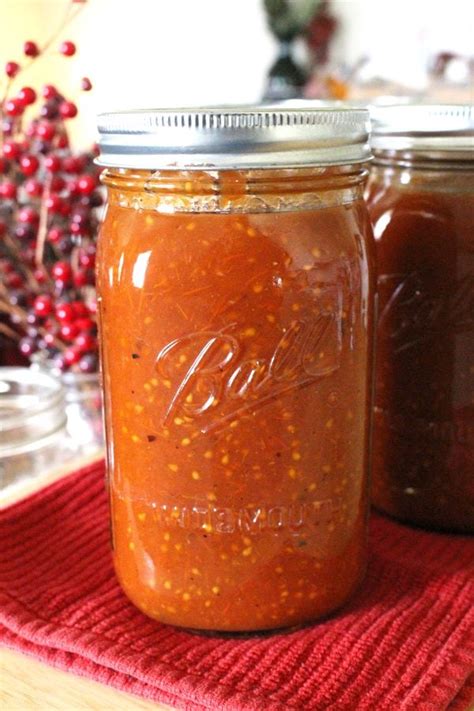
Canning offers shelf-stable sauce that doesn’t require freezer space. Tomato sauce is a high-acid food, making it suitable for water bath canning. However, it’s crucial to follow tested recipes from reliable sources (like the National Center for Home Food Preservation) to ensure safety.
- Prepare Jars: Sterilize canning jars and lids.
- Fill Jars: Ladle hot sauce into hot jars, leaving appropriate headspace (usually ½ inch).
- Acidification: Add bottled lemon juice or citric acid to each jar (as per tested recipes) to ensure adequate acidity for safe water bath canning.
- Process: Process jars in a boiling water canner for the specified time, adjusting for altitude.
Enjoying Your Winter Harvest
There’s immense satisfaction in opening a jar or bag of homemade tomato sauce in the dead of winter, knowing it came directly from your garden. It’s a taste of summer sunshine, ready to elevate your pasta dishes, pizzas, soups, stews, and casseroles. By investing a little time and effort during peak season, you ensure a supply of wholesome, flavorful ingredients for your kitchen all year long.