



Easiest method for preserving excess summer garden produce without canning?

Embracing the Abundance: Simple Ways to Preserve Your Summer Harvest
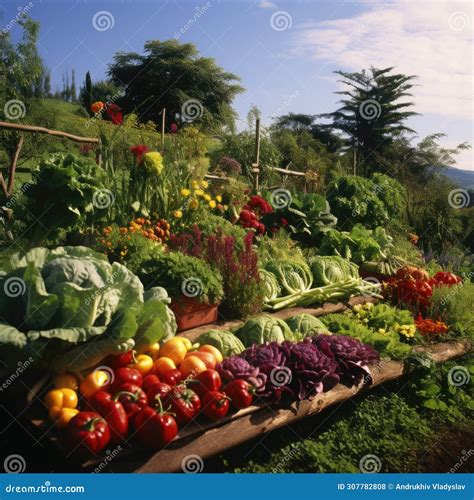
As summer rolls in, so does the joyful—and sometimes overwhelming—abundance of a thriving garden. Tomatoes burst on the vine, zucchinis multiply overnight, and herbs flourish. While canning is a time-honored tradition, it’s not the only path to preserving your hard-earned bounty. For those seeking simpler, less equipment-intensive alternatives, there are numerous straightforward methods to ensure your garden’s goodness lasts long past the summer sun.
Freezing: The Ultimate ‘Set It and Forget It’ Method
Freezing is arguably the easiest and most versatile method for preserving summer produce. Almost anything can be frozen, from berries and sliced fruits to blanched vegetables and herb purees. For most vegetables like green beans, corn, or broccoli, a quick blanch (a brief dip in boiling water followed by an ice bath) helps retain color, texture, and nutrients. Berries and diced fruits can often be frozen raw, spread in a single layer on a baking sheet before transferring to freezer bags to prevent clumping.
Herbs can be chopped and frozen in ice cube trays with a little olive oil or water, perfect for dropping into winter stews. While freezing requires freezer space, it demands minimal active time and yields produce that’s often very close to fresh once thawed, making it an ideal choice for busy gardeners.

Dehydrating: Concentrating Flavor and Extending Shelf Life
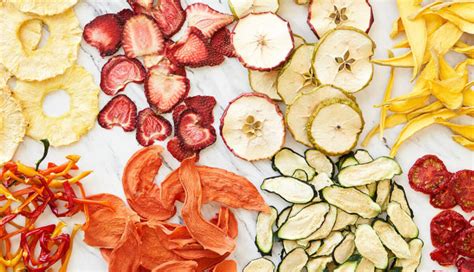
Dehydrating, or drying, is an ancient method that removes moisture from food, inhibiting spoilage and concentrating flavors. This is fantastic for herbs, tomato halves, fruit slices (apples, bananas, peaches), and even making vegetable powders. You can use a dedicated food dehydrator, your oven on its lowest setting, or even direct sunlight in very dry climates.
Dried produce is lightweight, takes up little storage space, and is shelf-stable for long periods. Imagine having intensely flavored sun-dried tomatoes or a supply of your own garden herbs all winter long. Ensure food is completely dry before storing in airtight containers to prevent mold.
Fermentation: A Lively Approach to Preservation
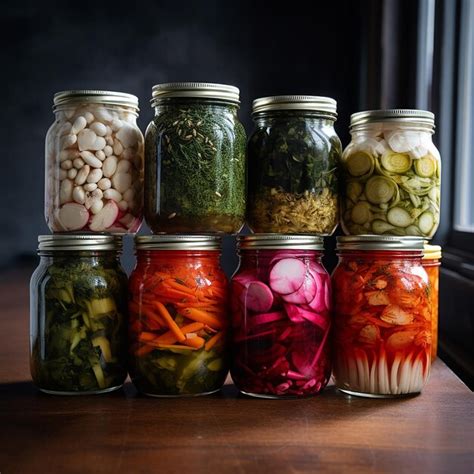
Fermentation is a transformative process that not only preserves food but also enhances its nutritional value by introducing beneficial probiotics. Think sauerkraut, kimchi, or lacto-fermented pickles. This method involves submerging vegetables in a saltwater brine, allowing beneficial bacteria to convert sugars into lactic acid, which acts as a natural preservative.
The process is surprisingly simple, often requiring just a jar, vegetables, salt, and water. While it produces a distinctly tangy flavor, fermented foods offer unique health benefits and a delicious way to enjoy your harvest in a new form.
Cool Storage & Root Cellaring: Nature’s Refrigerator
For certain types of produce, simply storing them in a cool, dark, and humid environment can extend their life for months without any processing. This method, often referred to as root cellaring (even if you don’t have a traditional root cellar), is ideal for items like potatoes, carrots, onions, squash, and apples. A cool basement corner, an unheated closet, or even a properly insulated garage can serve the purpose.
Each type of produce has specific temperature and humidity requirements, but the general principle is to keep them dormant and protected from light and excessive warmth to prevent sprouting or spoilage.
Embrace the Ease of No-Canning Preservation
From the simplicity of freezing to the ancient art of fermentation, preserving your summer garden’s bounty doesn’t have to be complicated. These no-canning methods offer accessible ways to enjoy your fresh produce year-round, reducing waste and extending the delicious flavors of summer. Experiment with different techniques to find what works best for your garden, your time, and your taste buds, ensuring a pantry and freezer full of homegrown goodness.