



Simple ways to involve kids in real food prep & garden tasks?

Involving children in the kitchen and garden isn’t just about getting chores done; it’s a powerful way to teach valuable life skills, encourage healthy eating habits, and create lasting family memories. From understanding where food comes from to mastering basic culinary techniques, these hands-on experiences are foundational for a well-rounded upbringing. Plus, it’s often much more fun than you might think!
Cultivating Culinary Confidence in the Kitchen
The kitchen can seem daunting, but even the youngest chefs can contribute. Start with simple, age-appropriate tasks that build confidence without overwhelming them (or you!).
- Wash and Rinse: Little hands are perfect for washing fruits and vegetables under cool running water.
- Stirring and Mixing: Give them a bowl and a spoon (or a whisk!) to mix ingredients for pancakes, salads, or meatballs.
- Tearing Lettuce & Herbs: This is a satisfying task that requires no sharp tools and helps develop fine motor skills.
- Measuring: Let them scoop and pour ingredients, teaching basic math concepts and the importance of following instructions.
- Setting the Table: A classic chore that helps them feel like an integral part of mealtime preparation.

As they grow, introduce more complex tasks under supervision, like peeling vegetables with a peeler, slicing soft fruits with a kid-safe knife, or even cracking eggs. Make it a game, let them taste ingredients as you go, and encourage their curiosity about different flavors and textures. An apron or a chef’s hat can add to the fun and make them feel like a professional.
Growing Green Thumbs in the Garden
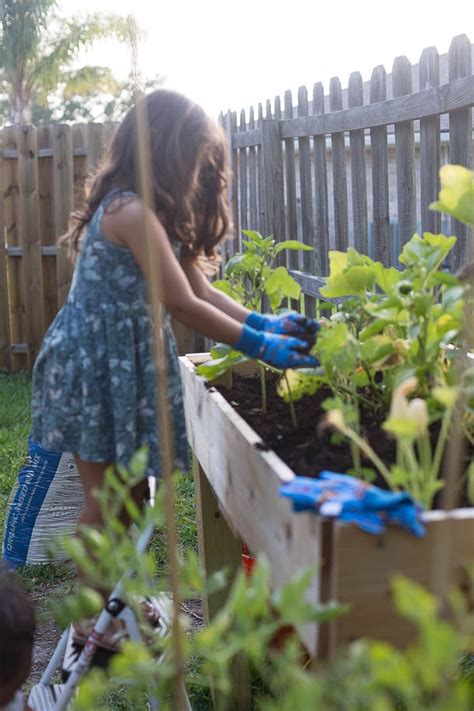
The garden offers a different kind of sensory adventure, connecting children directly to nature and the source of their food. It’s an outdoor classroom where they can learn about biology, responsibility, and patience.
- Planting Seeds: From tiny pea seeds to larger bean or squash seeds, the act of placing a seed in the soil is magical for kids. Choose fast-growing varieties for quicker gratification.
- Watering: A small watering can is an ideal tool for children. Teach them to water the base of the plant without overdoing it.
- Weeding (Simple Weeds): Show them how to identify common weeds and let them pull the smaller, easier ones. This teaches them to care for their plants.
- Harvesting: The ultimate reward! Picking ripe tomatoes, snapping green beans, or plucking fresh herbs is incredibly satisfying and directly links the garden to the dinner plate.

Consider dedicating a small plot or a few pots as ‘their’ garden space, where they can choose what to grow. This ownership fosters responsibility and excitement. Talk about the insects you see, the different parts of a plant, and how sunshine and water help things grow. Even if you don’t have a large yard, container gardening on a balcony or windowsill can provide a similar experience.

From Garden to Table: The Full Circle
The real magic happens when kids see the direct connection between their garden efforts and the food on their plates. Harvest those cherry tomatoes they planted, then wash and add them to a salad they helped prepare. Use the herbs they picked to season a dish they stirred. This ‘farm-to-table’ experience instills a deep appreciation for food and can even encourage picky eaters to try new things.

Encourage them to taste the raw ingredients from the garden – a freshly picked snap pea or a fragrant basil leaf. Discuss how different foods taste and how cooking transforms them. This holistic approach not only teaches practical skills but also promotes a healthier relationship with food and a greater understanding of sustainability.
Making it Stick: Tips for Success
- Be Patient: It might be messier and slower, but the learning is invaluable.
- Keep it Fun: Turn tasks into games, sing songs, or tell stories.
- Lead by Example: Show enthusiasm for cooking and gardening yourself.
- Celebrate Successes: Praise their efforts and enjoy the fruits (and vegetables!) of their labor together.
- Safety First: Always supervise, especially with sharp tools or hot stoves.
By inviting children into the world of food preparation and gardening, you’re not just creating helpers; you’re nurturing curious minds, teaching essential life skills, and building foundations for a lifetime of healthy eating and an appreciation for the natural world.