



Creative ways to involve kids in gardening & real food preparation?

In an age where screens often dominate, encouraging children to get their hands dirty in the garden and creative in the kitchen offers invaluable learning experiences. Involving kids in the journey from seed to plate cultivates curiosity, patience, and a fundamental understanding of where food comes from, all while promoting healthier eating habits and stronger family bonds.
Digging In: Creative Gardening Fun for Kids
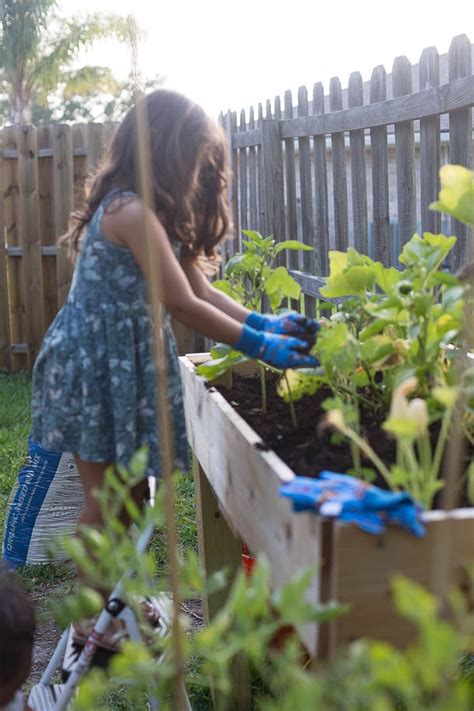
Gardening with children doesn’t require a large plot; even a few pots on a balcony or a small raised bed can spark immense joy and learning. The key is to make it hands-on, exciting, and tailored to their age and attention span.
- Start Small & Fast-Growing: Choose plants that offer quick results to keep enthusiasm high. Radishes, lettuce, snap peas, sunflowers, and herbs like mint or basil are excellent choices. Watching a seed sprout within days is pure magic for a child.
- Design a Kid’s Patch: Let them choose a dedicated area, even if small, to be ‘their garden.’ Allow them to pick some of the seeds or seedlings, empowering them with ownership. Consider theme gardens, like a ‘pizza garden’ with tomatoes, basil, and oregano, or a ‘sensory garden’ with fragrant herbs and interesting textures.
- Tools & Tasks: Provide child-sized gardening tools that are safe and easy for them to handle. Assign age-appropriate tasks: younger kids can water, plant large seeds, and help harvest; older kids can assist with weeding, transplanting, and trellising.
- Nature’s Classroom: Use the garden as a living science lesson. Talk about soil, sun, water, and pollination. Encourage them to observe insects (both helpful and harmful) and birds, fostering an appreciation for the ecosystem.

From Garden to Plate: Kid-Friendly Food Preparation
Once the harvest begins, the real fun moves indoors! Involving kids in food preparation transforms ingredients into meals and abstract concepts into tangible, delicious results. It teaches practical skills, builds confidence, and makes them more likely to try new foods.
- Age-Appropriate Tasks: Break down recipes into simple steps. Toddlers can wash produce, tear lettuce, or stir ingredients in a bowl. Preschoolers can measure, mash soft fruits, or spread butter. School-aged children can chop soft vegetables with a child-safe knife, crack eggs, read recipes, and help with basic cooking on a stovetop (with supervision).
- Recipe Selection: Choose recipes that highlight your garden’s bounty and are exciting for kids. Simple salads, homemade pesto, vegetable skewers, fruit tarts, or even just washing and enjoying fresh berries directly from the plant are fantastic starting points.
- Safety First: Teach kitchen safety rules early on, including hand washing, knife safety, and awareness around hot surfaces. Emphasize that the kitchen is a place for focus and respect for tools and heat.
- Taste Testing & Creativity: Encourage them to taste ingredients at every stage. Let them experiment with safe flavor combinations or add their personal touch to a dish (e.g., choosing a garnish). This fosters a sense of culinary adventure.

Making it a Family Affair & Educational Experience
Integrating gardening and cooking into family life makes it a natural and enjoyable part of their development rather than a chore. These activities offer countless opportunities for bonding and learning far beyond just plants and food.
- Storytelling & Journaling: Encourage kids to draw pictures or write about their gardening and cooking adventures. This not only enhances literacy skills but also helps them recall and appreciate their efforts.
- Patience & Responsibility: Gardening teaches patience as they wait for plants to grow and mature. Both gardening and cooking instill a sense of responsibility as they care for living things and contribute to family meals.
- Healthy Choices: When children are involved in growing and preparing food, they are more likely to eat and enjoy it. This direct connection helps them understand the value of fresh, real food over processed alternatives, laying the groundwork for a lifetime of healthy eating habits.
- Celebrate Successes: Whether it’s the first ripe tomato or a perfectly baked cookie, celebrate every achievement. Share the meals you’ve prepared together, acknowledging their contribution and praising their efforts.

Involving kids in gardening and real food preparation is more than just a pastime; it’s an investment in their health, education, and well-being. These shared experiences create lasting memories, teach invaluable life skills, and cultivate a deeper appreciation for the food that nourishes us.