





Best natural ways to amend heavy clay soil for robust garden production?

Taming the Toughness: Understanding Heavy Clay Soil
Heavy clay soil, a common challenge in many country gardens, can often feel like a curse rather than a blessing. Its dense, compacted nature leads to poor drainage, suffocated roots, and nutrient lockout. However, with the right natural approaches, this seemingly stubborn soil can be transformed into a rich, fertile growing medium that supports robust plant growth. The secret lies in understanding its properties and consistently applying organic amendments.
The Peculiarities of Clay: Why It Needs Help
Clay particles are incredibly small and flat, packing tightly together to create a formidable barrier to water and air movement. This results in waterlogging after rain, followed by concrete-like hardness when dry. Roots struggle to penetrate, and essential soil microbes find it difficult to thrive. While clay is rich in nutrients, its structure often prevents plants from accessing them efficiently. Amending clay isn’t about changing its fundamental type, but about improving its structure, or ’tilth’.
The Unsung Hero: Organic Matter
The single most effective natural amendment for heavy clay soil is organic matter. When added, organic materials act like tiny sponges and wedges. They create larger pore spaces, improving aeration and drainage, while also holding onto moisture and nutrients that plants need. As organic matter breaks down, it encourages beneficial earthworms and microorganisms, which further enhance soil structure by creating channels and producing sticky substances that aggregate soil particles. This process gradually transforms dense clay into a crumbly, friable loam.
Top Natural Amendments for Clay
Several organic materials stand out for their ability to dramatically improve clay soil:
- Compost: The gold standard. Rich in decomposed organic material, compost adds structure, nutrients, and beneficial microbes. Work a generous layer (2-4 inches) into the top 6-12 inches of soil annually.
- Aged Manure: Well-rotted cow, horse, or chicken manure provides a powerhouse of organic matter and nutrients. Ensure it’s truly aged to avoid burning plants or introducing weed seeds.
- Leaf Mold: Decomposed leaves create a light, fluffy material that is excellent for improving soil structure and water retention. It’s easy and free to make!
- Cover Crops (Green Manure): Planting crops like clover, vetch, rye, or buckwheat and then tilling them under before they flower adds significant organic matter directly into the soil. Their roots also help break up compacted clay.
- Wood Chips/Arborist Mulch: While slow to break down, larger wood chips can be worked into pathways or as a surface mulch. Over time, they contribute to soil health, but be mindful of nitrogen tie-up if incorporated directly into planting beds in large quantities.

Application Strategies for Best Results
The method of adding amendments is almost as important as the amendments themselves.
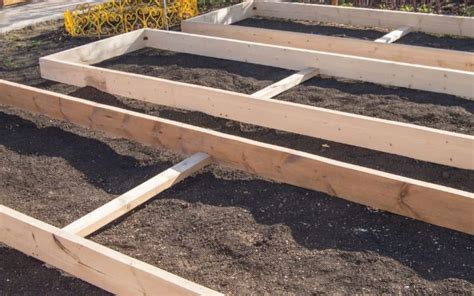
- Digging and Mixing: For new beds, incorporate 2-4 inches of organic matter into the top 6-12 inches of soil. This can be hard work but provides immediate benefits. Avoid over-tilling, which can destroy soil structure.
- Top-Dressing: For established gardens, apply a 1-2 inch layer of compost or aged manure on top of the soil in fall or spring. Earthworms and natural processes will gradually work it in.
- Sheet Mulching (Lasagna Gardening): Layering organic materials (cardboard, leaves, compost, straw) on top of the existing soil creates new, fertile ground without digging. This is excellent for creating new garden beds over clay.

Cultivating Long-Term Soil Health
Amending clay soil is not a one-time event; it’s an ongoing process.
- Embrace No-Till Practices: Minimizing disturbance helps preserve the structure created by organic matter and soil organisms.
- Mulch Regularly: A continuous layer of organic mulch (straw, shredded leaves, wood chips) on garden beds moderates soil temperature, retains moisture, suppresses weeds, and slowly adds organic matter as it decomposes.
- Avoid Compaction: Create designated pathways and avoid walking on garden beds, especially when the soil is wet.

The Rewards of Nurturing Clay Soil
The effort invested in naturally amending heavy clay soil pays dividends. You’ll observe dramatic improvements in drainage, aeration, and workability. Roots will penetrate deeper, water and nutrients will be more readily available, and beneficial soil life will flourish. Ultimately, your garden will boast healthier, more resilient plants, leading to truly robust and satisfying yields.

Conclusion: A Thriving Garden Awaits
Transforming heavy clay soil from a challenging medium into a productive powerhouse is entirely achievable through consistent, natural amendments. By focusing on incorporating generous amounts of organic matter and adopting thoughtful cultivation practices, you can unlock the inherent fertility of clay and enjoy a bountiful, beautiful garden for years to come.