




Tips for scaling grandma’s homemade recipe for a smaller family meal?

Introduction: Why Downsize Grandma’s Culinary Masterpiece?
Grandma’s recipes often hold a special place in our hearts and kitchens. They’re a taste of tradition, comfort, and generations of love. However, many of these beloved recipes were crafted for large family gatherings, holiday feasts, or big farm families. In today’s smaller households, making a full batch can lead to an overwhelming amount of leftovers, potential waste, or just too much temptation!
The good news is that you don’t have to sacrifice tradition. With a few smart strategies, you can easily scale down those cherished recipes to perfectly suit a smaller family, a couple, or even just yourself, without losing an ounce of their original magic or flavor. Let’s dive into how you can make Grandma’s legacy fit your modern life.

Mastering the Math: Halving, Quartering, and Beyond
The most straightforward approach to scaling a recipe is to simply divide all ingredients by a common factor. For a smaller meal, you’ll often be looking to halve or quarter the recipe. While this seems simple, some ingredients behave differently when reduced.
- Consistent Division: For most ingredients (flour, sugar, vegetables, meat), a direct division works perfectly. If a recipe calls for 2 cups of flour, use 1 cup for a half batch.
- Tricky Measurements: When dealing with odd numbers (e.g., 3 eggs, 5 cups of liquid), it can get a bit more complex. Invest in a good kitchen scale for precise measurement of ingredients that are hard to halve (like 1/2 an egg — you can beat an egg and then measure out half by weight or volume).
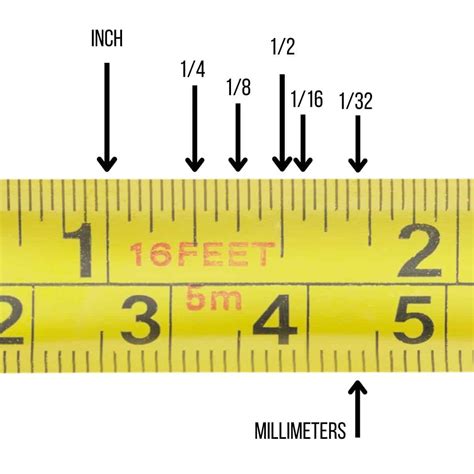
- Common Fractions: Remember your basic fractions! Halving 1/2 cup is 1/4 cup; halving 1/4 cup is 1/8 cup (2 tablespoons); halving 1/3 cup is 1/6 cup (2 tablespoons + 2 teaspoons).
Special Considerations for Key Ingredients
Not all ingredients scale equally. Some are critical to the dish’s structure or flavor, and altering them too drastically can change the outcome significantly.
Eggs and Leavening Agents
Eggs provide structure, moisture, and richness. If a recipe calls for 1 egg and you need to halve it, beat the egg and use half (approximately 2-2.5 tablespoons). For recipes requiring multiple eggs, you can often go with one less if you’re reducing by half, but sometimes you might need to use an egg replacer or adjust other liquids slightly. Leavening agents (baking soda, baking powder) are crucial for texture. Reducing them proportionally is usually safe, but be precise – too much or too little can lead to dense or crumbly results.
Liquids and Fats
Liquids (water, milk, broth) can usually be scaled directly. However, pay attention to the consistency as you mix; you might need slightly less or more than mathematically indicated due to evaporation differences in smaller batches. Fats (butter, oil) also scale well, but be mindful of their role in flavor and browning.
Herbs, Spices, and Strong Flavors
These are where you might want to deviate slightly from strict mathematical scaling, especially with potent ingredients like garlic, chili, or strong herbs. It’s often better to start with slightly less than half (or quarter) and add more to taste during the cooking process. You can always add more, but you can’t take it away!
Tools and Techniques for Downsizing Success
Having the right equipment and mindset makes all the difference.
- Accurate Measuring Tools: A good set of measuring spoons (including 1/8 tsp and 1/2 tbsp), liquid measuring cups, and a digital kitchen scale are invaluable.
- Smaller Cookware and Bakeware: A large casserole dish for a full batch won’t work for a quarter batch. Invest in smaller baking dishes, loaf pans, or saucepans that match your scaled quantities. This ensures even cooking and browning. For example, a 9×13 inch pan might become an 8×8 inch pan or even smaller.
- Adjusting Cooking Times: Smaller quantities generally cook faster. Keep a close eye on your dish and start checking for doneness earlier than the original recipe suggests. Use visual cues (browning, bubbling) and internal temperatures where applicable.
- Don’t Skimp on the Essentials: For dishes like stews or sauces, don’t reduce the “aromatics” (onions, garlic, celery) too much if they form the flavor base. These are key to grandma’s signature taste.

Taste, Adjust, and Trust Your Instincts
Cooking is an art as much as a science, especially when adapting recipes. Don’t be afraid to taste and adjust as you go. For savory dishes, taste for seasoning (salt, pepper, herbs) before the final cooking stage. For baked goods, rely on visual cues and oven thermometers.
Making notes on your scaled-down version is also incredibly helpful. Did you need slightly less liquid? More seasoning? Jot it down so your next smaller batch is even better. Over time, you’ll develop an intuition for scaling, making it second nature.

Embrace the Tradition, Modernized
Scaling down Grandma’s recipes isn’t about compromising on tradition; it’s about making it sustainable and enjoyable for your current lifestyle. By understanding the principles of ingredient adjustment, having the right tools, and trusting your culinary instincts, you can continue to enjoy those cherished homemade meals, perfectly portioned for your smaller family. Happy cooking!