



Best way to preserve summer garden tomatoes without canning?

Harnessing Your Tomato Bounty Without the Canning Hassle
As summer peaks, garden tomatoes ripen in a glorious abundance, often leaving home growers with more fruit than they can consume fresh. While traditional canning is a time-honored preservation method, it requires specific equipment and a significant time commitment. Thankfully, there are several incredibly effective and easy ways to preserve your summer garden tomatoes, ensuring you can enjoy their vibrant flavor long after the season ends, all without the need for a pressure canner or water bath.
From simple freezing to elegant drying, these techniques not only extend the life of your tomatoes but also transform them into versatile ingredients ready for winter meals. Let’s explore the best no-canning preservation methods.

The Simplicity of Freezing Tomatoes
Freezing is arguably the easiest and most versatile method for preserving tomatoes. It requires minimal preparation and allows you to keep the fresh flavor intact for future sauces, soups, and stews.
Whole or Halved Tomatoes
- Preparation: Wash tomatoes thoroughly. For smaller varieties like cherry or grape tomatoes, you can freeze them whole. For larger ones, you can core them and cut them in half or quarters. Some people prefer to blanch and peel them first, but it’s not strictly necessary for many uses, as the skins slip off easily after thawing.
- Freezing Method: Place prepared tomatoes in a single layer on a baking sheet lined with parchment paper. Freeze until solid (this prevents them from sticking together). Once solid, transfer them to freezer-safe bags or containers, removing as much air as possible to prevent freezer burn.
- Usage: Thaw frozen tomatoes in the refrigerator or add directly to cooking. The texture will be softer, making them perfect for pureeing into sauces or adding to chili.
Chopped or Puréed Tomatoes
- Preparation: Chop tomatoes into desired sizes or blend them into a purée. For a smoother texture, you might want to blanch, peel, and seed them first.
- Freezing Method: Freeze chopped tomatoes in freezer bags, pressing out air. For purées, pour into ice cube trays for convenient portioning, then transfer the frozen cubes to a freezer bag.
- Usage: Ideal for adding to quick pasta sauces, casseroles, or any recipe requiring diced or crushed tomatoes.

Drying Tomatoes for Intense Flavor
Drying tomatoes concentrates their sugars and flavors, resulting in a chewy, intensely sweet product perfect for salads, pasta dishes, and charcuterie boards. You can dry them in a dehydrator or a low oven.
Dehydrator Method
- Preparation: Wash and slice tomatoes (Roma or paste tomatoes work best) about ¼-inch thick. Remove seeds if desired.
- Drying Method: Arrange slices in a single layer on dehydrator trays. Dry at 135°F (57°C) for 8-12 hours, or until pliable but not sticky.
- Storage: Store fully cooled dried tomatoes in airtight containers in a cool, dark place for several months, or refrigerate for longer. For an added layer of preservation and flavor, you can pack them in olive oil (ensure tomatoes are completely submerged and use within a few weeks, keeping refrigerated).
Oven Drying Method
- Preparation: Similar to dehydrator method. Toss slices lightly with olive oil and salt if desired.
- Drying Method: Place slices on parchment-lined baking sheets. Bake at the lowest oven setting (around 175-200°F or 80-95°C) for 4-8 hours, propping the oven door slightly ajar to allow moisture to escape. Flip occasionally until dried.
- Storage: Follow dehydrator storage guidelines.

Cooking Down into Sauces and Pastes (and Freezing)
Transforming your tomatoes into ready-to-use sauces, purees, or pastes before freezing is another fantastic way to preserve their essence and save time later.
Homemade Tomato Sauce/Purée
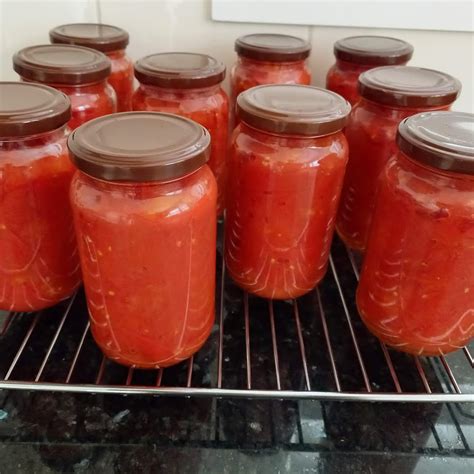
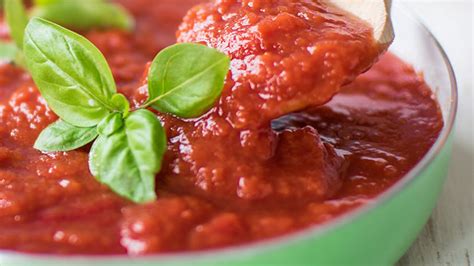
- Preparation: Wash, core, and roughly chop tomatoes. Cook them down in a large pot until soft. Pass through a food mill or blend for a smooth consistency. Season with salt, herbs, garlic, and onions as desired. Simmer until the desired thickness is reached.
- Freezing Method: Allow the sauce to cool completely. Ladle into freezer-safe containers, leaving headspace for expansion, or into freezer bags. Lie bags flat to freeze for easy stacking.
- Usage: A ready-made base for pasta, pizza, chili, or any recipe calling for tomato sauce.
Roasted Tomato Paste
- Preparation: Halve or quarter tomatoes, toss with olive oil, salt, and pepper. Roast at 400°F (200°C) until softened and slightly caramelized, about 30-45 minutes. Blend roasted tomatoes until smooth. Return the purée to a saucepan and simmer over low heat, stirring frequently, until very thick, resembling store-bought tomato paste.
- Freezing Method: Spread the cooled paste in a thin layer on a parchment-lined baking sheet and freeze. Once solid, break into pieces or cut into cubes and store in freezer bags. Alternatively, freeze in ice cube trays.
- Usage: Use small portions to deepen the flavor of stews, braises, and sauces.
Tips for Optimal Preservation
- Choose Wisely: Select firm, ripe, unblemished tomatoes for preservation. Overripe or bruised tomatoes are best used immediately.
- Proper Packaging: Always use freezer-safe bags, containers, or glass jars specifically designed for freezing. Remove as much air as possible to prevent freezer burn.
- Label Everything: Clearly label containers with the date and contents.
- Small Batches: Don’t try to process your entire harvest at once. Work in manageable batches.
By employing these simple, no-canning preservation methods, you can effectively capture the peak flavor of your summer garden tomatoes. Imagine enjoying a rich, homemade tomato sauce or intensely flavored sun-dried tomatoes in the dead of winter, all thanks to a little effort during the harvest season. These techniques are not only practical but also deeply satisfying, allowing you to savor the fruits of your labor year-round.