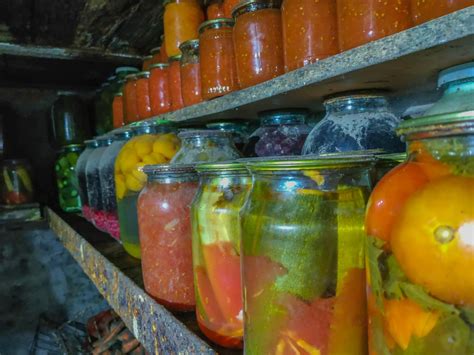




Best DIY raised garden bed materials for long-term food safety & country weather?

Cultivating Success: Choosing the Right Materials for Your Raised Bed
Creating a raised garden bed is an excellent way to boost your gardening success, offering better soil control, improved drainage, and reduced strain on your back. However, when you’re looking to grow food, the choice of materials becomes paramount, especially when considering long-term food safety and the rigors of diverse country weather. Not all materials are created equal, and some can leach undesirable chemicals into your precious edibles over time.
Essential Factors for Material Selection
Before you even pick up a saw or shovel, understanding the key criteria for selecting your raised bed materials is crucial. These factors directly influence the health of your plants, the safety of your food, and the longevity of your gardening investment.
Food Safety First
This is arguably the most critical factor. Some materials can leach chemicals into the soil, which are then absorbed by your plants. For food crops, always prioritize non-toxic options. Avoid older types of pressure-treated lumber (especially pre-2003 CCA wood) and questionable plastics that may contain BPA or phthalates, which can be harmful.
Durability and Weather Resistance
Country weather can be unpredictable, ranging from scorching summers and heavy downpours to harsh winters and strong winds. Your chosen material must withstand these elements without rotting, rusting, or breaking down prematurely. Consider the material’s inherent resistance to moisture, UV radiation, temperature fluctuations, and pests.
Cost and Aesthetics
Your budget will undoubtedly play a role in your decision. While some premium materials offer superior longevity, more affordable options can still perform well with proper planning. Don’t forget the visual appeal; the raised bed will be a prominent feature in your garden, so choose a material that complements your outdoor space.
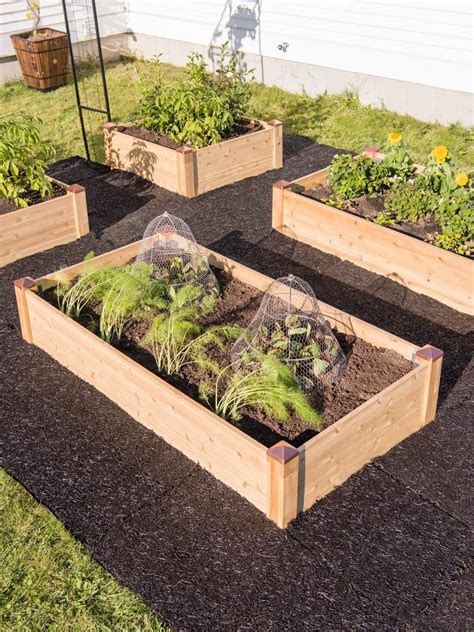
Top DIY Material Options for Food Safety & Durability
1. Untreated Wood (Cedar, Redwood, Douglas Fir)
Untreated wood remains a classic and popular choice. Cedar and redwood are naturally rot-resistant, making them excellent long-term investments. They can last 10-20 years or more without chemical treatments, making them inherently food-safe. Douglas Fir and other readily available woods can also be used, though they may have a shorter lifespan (5-10 years) unless thicker planks are used.
- Pros: Natural, aesthetic, excellent insulation, relatively easy to work with, environmentally friendly if sourced sustainably.
- Cons: Can be more expensive than other wood types (cedar/redwood), shorter lifespan for less resistant woods, requires occasional maintenance for appearance.
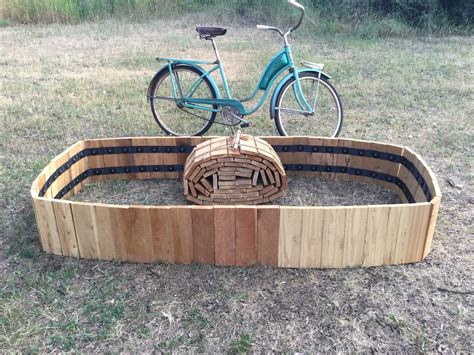
2. Galvanized Steel (Corrugated Metal)
Galvanized steel, especially corrugated panels, has gained immense popularity. The zinc coating on galvanized steel prevents rust, making it incredibly durable and long-lasting (20+ years). Modern galvanized steel is considered food-safe, as the zinc coating is stable and does not readily leach into the soil. Use thicker gauges for greater rigidity.
- Pros: Very durable, long lifespan, rust-resistant, sleek modern aesthetic, excellent for heat absorption in cooler climates, pest deterrent.
- Cons: Can get hot in direct sun (can mitigate with lighter colors or proper placement), initial cost can be higher, requires specific tools for cutting.
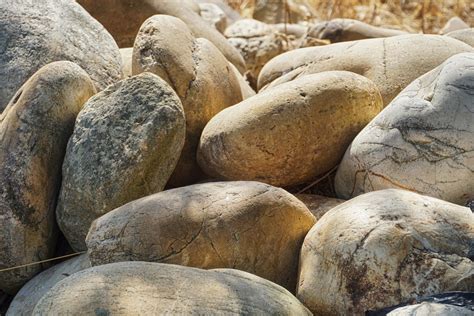
3. Natural Stone & Concrete Blocks
For ultimate durability and a robust, timeless look, natural stone (like flagstone, slate, or granite) or concrete blocks are excellent choices. They are non-toxic, incredibly long-lasting, and virtually impervious to weather. They do an excellent job of moderating soil temperature.
- Pros: Extremely durable (50+ years), virtually maintenance-free, excellent temperature moderation, beautiful aesthetic, non-toxic.
- Cons: High initial cost, very heavy (requires significant labor and potentially a strong foundation), difficult to modify once built.
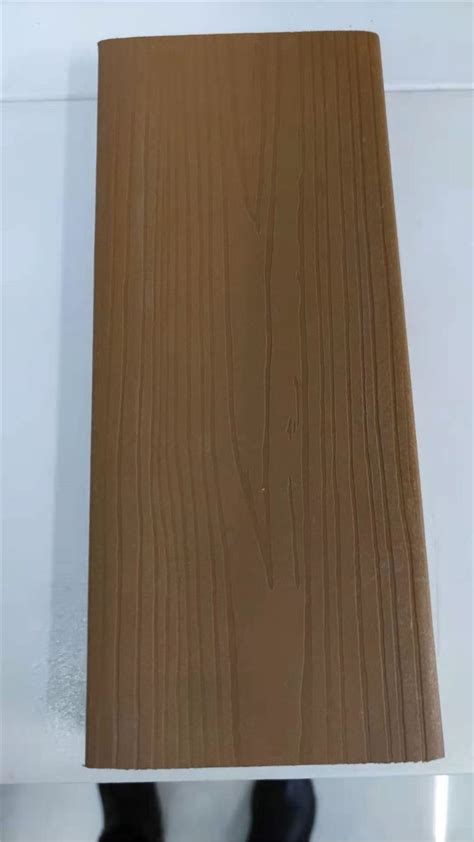
4. High-Density Polyethylene (HDPE) Plastic Lumber
While generally advising caution with plastics, HDPE plastic lumber is an exception. Made from recycled milk jugs and other safe plastics, HDPE is inert, UV-stabilized, and will not rot, splinter, or leach chemicals. It’s an excellent choice for a long-lasting, low-maintenance, food-safe bed.
- Pros: Extremely durable (50+ years), no maintenance, impervious to rot and pests, food-safe, often made from recycled materials.
- Cons: Can be more expensive than wood, limited color options, can expand and contract with temperature changes (require specific fastening).
Materials to Approach with Caution (or Avoid for Food)
Treated Lumber (Older Types)
Avoid older pressure-treated wood (pre-2003) containing Chromated Copper Arsenate (CCA), as arsenic can leach into the soil. Newer pressure-treated woods use less toxic chemicals like ACQ (Alkaline Copper Quaternary) or MCA (Micronized Copper Azole), which manufacturers claim are safe for raised beds. However, some gardeners still prefer to err on the side of caution and use a food-grade liner if using treated wood for edibles, or opt for completely untreated alternatives.
Tires & Some Plastics
While tempting for repurposing, vehicle tires can leach heavy metals and chemicals as they break down, especially when exposed to sun and heat. Most other repurposed plastics (like thin sheets or non-food-grade containers) are also best avoided for food crops due to potential chemical leaching and breakdown under UV light.
Building for Country Weather Resilience
Beyond material choice, the construction of your raised bed plays a vital role in its longevity and performance against country weather:
- Drainage: Ensure excellent drainage by adding a layer of coarse material (like gravel or small stones) at the bottom before filling with soil. This prevents waterlogging, crucial during heavy rains.
- Foundation: Place your beds on a level, stable foundation to prevent shifting, especially in areas with freeze-thaw cycles or sloped terrain.
- Fasteners: Use high-quality, corrosion-resistant fasteners (stainless steel or exterior-grade screws) appropriate for your chosen material.
- Orientation: Position your beds to maximize sun exposure for plants while considering wind protection. A taller back wall could provide a windbreak if needed.
- Insulation: Thicker walls (like those of stone or concrete) provide better insulation, protecting roots from extreme heat or cold.
Conclusion
Choosing the best DIY raised garden bed materials for long-term food safety and country weather means balancing durability, non-toxicity, and your budget. Untreated cedar or redwood, galvanized steel, natural stone, and HDPE plastic lumber stand out as top contenders for their safety and resilience. By making informed material choices and employing sound construction practices, you can create a beautiful, productive, and truly sustainable raised garden that will serve your family for years to come.