



Best traditional, no-electric methods for preserving garden harvest?
As gardeners, we often find ourselves with an abundance of fresh produce, far more than can be consumed before it spoils. While modern appliances like freezers and electric dehydrators offer convenience, there’s a timeless charm and sustainable efficiency in returning to traditional, no-electric preservation methods. These techniques not only reduce your reliance on grid power but also connect you to age-old practices of food stewardship. Embracing these methods ensures your harvest can be enjoyed throughout the year, regardless of power outages or energy costs.
Embracing the Old Ways: Why Go Electric-Free?
Opting for traditional, no-electric preservation methods offers numerous benefits beyond energy independence. These techniques often enhance the flavor and nutritional value of foods, extending their shelf life naturally. They are also incredibly rewarding, fostering a deeper connection to your food supply and the seasons. From the simplest sun-drying racks to the careful curation of a root cellar, these methods are accessible to anyone willing to learn and invest a little time and effort. They represent a sustainable approach to managing garden surplus, minimizing waste and maximizing your self-sufficiency.
Sun and Air Drying: Nature’s Dehydrator
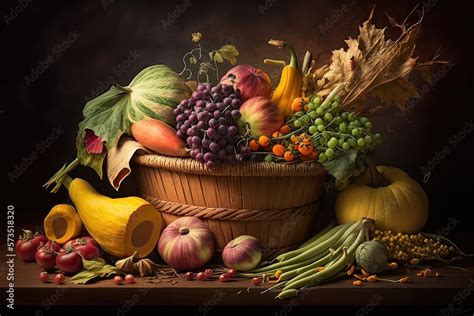
One of the oldest and most straightforward preservation techniques, drying removes moisture from food, inhibiting microbial growth and enzyme activity. Sun drying is ideal for regions with hot, dry climates, while air drying works well for herbs and thin-skinned produce in less sunny conditions. Foods are spread thinly on screens or strung up in well-ventilated areas, protected from pests and direct moisture. This method is incredibly energy-efficient and results in concentrated flavors.
- Herbs: Basil, oregano, thyme, rosemary (hang in bundles).
- Fruits: Apple slices, pear slices, apricots, grapes (for raisins), figs (sun dry on screens).
- Vegetables: Tomato halves, bell pepper strips, green beans (blanch first).

The Magic of Fermentation: Tangy and Preserved
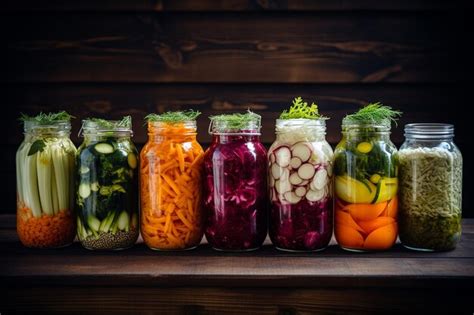
Fermentation is a transformative process where beneficial microorganisms convert sugars into lactic acid, alcohol, or acetic acid, naturally preserving food and often enhancing its nutritional profile and digestibility. It’s a low-energy method that requires minimal equipment – typically just jars, salt, and vegetables. The resulting tangy, probiotic-rich foods are not only delicious but also beneficial for gut health.
- Sauerkraut: Shredded cabbage and salt, packed tightly into a jar.
- Kimchi: A spicier, more complex fermented cabbage dish.
- Lacto-fermented Pickles: Cucumbers, carrots, or green beans submerged in a saltwater brine.
- Kombucha: Fermented tea (requires a SCOBY).
Root Cellars and Cool Storage: Earth’s Refrigerator
Harkening back to pre-refrigeration days, root cellars and other cool, dark storage areas provide ideal conditions for preserving many root vegetables, fruits, and even some leafy greens. A true root cellar maintains a consistent cool temperature (35-50°F / 2-10°C) and high humidity, preventing produce from sprouting, shriveling, or rotting. Even without a dedicated underground cellar, a cool basement corner, unheated pantry, or even insulated containers buried in the ground can serve a similar purpose.
- Potatoes, Carrots, Beets: Store in damp sand, sawdust, or peat moss.
- Apples, Pears: Wrap individually and store on shelves.
- Cabbage, Winter Squash: Store on shelves or hang in mesh bags.
- Onions, Garlic: Braid or hang in mesh bags in a cool, dry place.

Water Bath Canning and Pickling: Heat and Acidity
While pressure canning often requires more sophisticated equipment, water bath canning is a simple, effective way to preserve high-acid foods. This method uses a large pot to boil jars of food, creating a vacuum seal that keeps spoilage organisms at bay. Coupled with pickling (preserving food in an acidic brine, often vinegar-based), it allows for a wide array of pantry staples to be created without electricity for the sealing process itself (though a heat source like a wood stove or propane burner is needed for boiling).
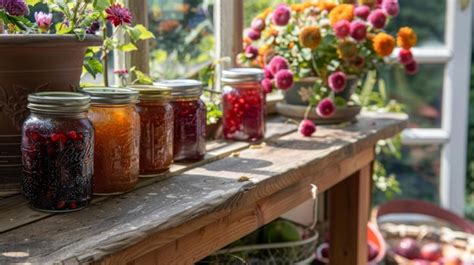
- Jams and Jellies: Preserving fruits with sugar.
- Pickled Vegetables: Cucumbers, green beans, beets, or peppers in a vinegar brine.
- Acidic Tomato Products: Salsas, sauces, and whole tomatoes with added acid.
- Fruit Butters and Sauces: Apple butter, cranberry sauce.
Conclusion: Sustainable Abundance
Embracing traditional, no-electric preservation methods is more than just a nod to the past; it’s a practical, sustainable, and empowering way to manage your garden’s bounty. These techniques offer a pathway to greater self-sufficiency, reduced waste, and a pantry full of wholesome, flavorful foods. By learning and applying these time-tested skills, you can ensure that the fruits of your labor provide nourishment and joy long after the growing season has ended, connecting you more deeply to your food, your home, and the rhythms of nature.