




Best natural ways to prevent blight on heirloom tomatoes?

Understanding Blight and Its Threat to Heirloom Tomatoes
Heirloom tomatoes are beloved for their incredible flavor and diverse characteristics, but they are often more susceptible to common diseases like early and late blight. Blight, caused by fungal pathogens, can quickly devastate a tomato crop, manifesting as dark spots on leaves, stems, and fruit, leading to plant decline and yield loss. While synthetic fungicides offer a quick fix, many gardeners prefer natural, organic methods to protect their heirloom treasures and maintain a healthy ecosystem in their garden.
Preventing blight naturally involves creating an environment where the disease struggles to take hold and equipping your plants with the resilience to ward off infections. It’s a proactive, holistic approach rather than a reactive battle.

Cultivating a Healthy Environment: Site Selection and Soil
The foundation of blight prevention starts even before planting. Choose a site in your garden that receives at least 6-8 hours of direct sunlight daily and has excellent air circulation. Good air circulation helps dry foliage quickly, making it less hospitable for fungal spores to germinate.
Healthy soil is paramount. Enrich your soil with plenty of organic matter like compost before planting. Well-draining soil prevents waterlogging, which can stress plants and make them more vulnerable. A balanced soil pH (typically 6.0-6.8 for tomatoes) ensures plants can absorb nutrients effectively, boosting their natural immunity.
Strategic Watering and Mulching for Blight Prevention
How you water can significantly impact blight prevention. Always water the base of your tomato plants, directly at the soil line, avoiding splashing water onto the foliage. Wet leaves create an ideal breeding ground for fungal spores. Water in the morning so any incidental moisture on leaves has time to dry throughout the day.
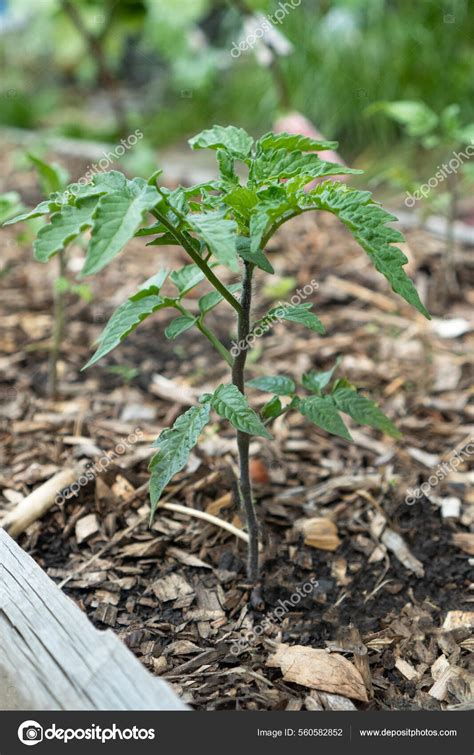
Applying a thick layer of organic mulch (such as straw, shredded leaves, or wood chips) around your tomato plants is a game-changer. Mulch helps prevent soil-borne fungal spores from splashing up onto lower leaves during watering or rain. It also helps retain soil moisture, suppress weeds, and regulate soil temperature.
Ensuring Optimal Airflow and Plant Hygiene
Proper spacing is crucial. Give your heirloom tomato plants adequate room to grow, typically 2-3 feet apart, to ensure good airflow between them. As plants grow, prune the lower leaves, especially those touching the soil. This not only improves air circulation but also removes points of contact for soil-borne pathogens. Regularly remove any yellowing or diseased leaves promptly and dispose of them away from your garden (do not compost diseased material).
Garden hygiene extends to tools as well. Sterilize your pruning shears or scissors with rubbing alcohol or a bleach solution (1 part bleach to 9 parts water) between plants, especially if you’re working with a potentially infected plant. This prevents the spread of disease from one plant to another.
The Power of Crop Rotation and Companion Planting
Crop rotation is a simple yet highly effective natural method. Avoid planting tomatoes (or other members of the nightshade family like peppers, eggplants, or potatoes) in the same spot year after year. A 3-4 year rotation cycle helps break disease cycles by depriving pathogens of their host plants. This starves out blight spores that may overwinter in the soil.
Consider companion planting. Certain plants can deter pests or enhance the health of your tomatoes. Marigolds (especially French marigolds) are known to repel nematodes, while basil planted nearby is said to improve tomato flavor and may deter some pests. Borage attracts beneficial pollinators and can improve disease resistance.
Natural Treatments and Proactive Measures
While prevention is key, sometimes a little extra help is needed. Organic-approved fungicidal sprays can be used proactively or at the first sign of disease. Neem oil, derived from the neem tree, acts as both a fungicide and an insecticide, disrupting fungal growth and deterring pests. Copper-based fungicides are another organic option, acting as a protectant by preventing spore germination. Always follow label instructions for application rates and frequency.
Compost tea, a liquid extract from mature compost, can be sprayed on foliage and used as a soil drench. It introduces beneficial microbes that can outcompete or suppress disease-causing pathogens. Similarly, kelp meal or liquid seaweed extracts can boost plant immunity and overall vigor.

Regular Monitoring and Early Intervention
The best defense is a good offense, and that includes vigilance. Regularly inspect your heirloom tomato plants for any signs of blight – dark spots, yellowing leaves, or wilting. Early detection allows for prompt action, such as removing affected leaves or applying organic treatments, before the disease spreads widely. A daily check takes only a few minutes but can save your entire crop.

Conclusion: A Holistic Approach for Thriving Heirloom Tomatoes
Preventing blight on heirloom tomatoes naturally requires a multi-pronged approach that focuses on creating a robust, healthy environment. From mindful site selection and soil preparation to strategic watering, mulching, proper plant spacing, and timely sanitation, each step contributes to your plants’ overall resilience. By embracing these natural methods, you can significantly reduce the risk of blight, ensuring a bountiful harvest of your cherished heirloom varieties for years to come.