



When is the ideal time to harvest ripe heirloom tomatoes for canning?

Harvesting heirloom tomatoes at their prime is a critical step for anyone planning to preserve them through canning. Unlike store-bought varieties, heirlooms offer a spectrum of unique flavors and textures, but their delicate nature requires a keen eye and understanding of ripeness. Picking too early can result in bland, acidic tomatoes, while waiting too long can lead to mushy textures and compromised safety for canning. The goal is to capture that perfect balance of sweetness, acidity, and firm flesh.
Understanding Heirloom Ripeness: Visual & Tactile Cues
Identifying peak ripeness in heirloom tomatoes isn’t always as straightforward as with uniform red hybrids. Heirlooms come in a dazzling array of colors—from striped greens and yellows to deep purples and oranges—so color alone isn’t always the sole indicator. Instead, look for a combination of signals:
- Coloration: While varying by type, the fruit should exhibit its full, characteristic color. Green varieties like ‘Green Zebra’ will show distinct amber or yellow blushing when ripe, not just uniform green. Red and yellow heirlooms should have a deep, rich hue.
- Feel: Gently cup the tomato in your hand. A ripe heirloom will feel heavy for its size and have a slight give when gently squeezed. It shouldn’t be rock hard, nor should it be overly soft or mushy.
- Aroma: Bring the tomato close to your nose, especially near the stem end. A perfectly ripe heirloom will emit a rich, sweet, and distinctly tomato-y fragrance. If there’s no scent or a very faint one, it might need more time.
- Stem Detachment: A ripe tomato will often separate easily from its stem with a gentle twist or lift. If it’s firmly attached and requires significant pulling, it’s likely not ready.
The Optimal Ripeness for Canning: Flavor and Integrity
For canning, the ‘ideal’ ripeness differs slightly from tomatoes destined for immediate fresh consumption. You want tomatoes that are fully ripe for maximum flavor, but still firm enough to hold their structure during processing. Overripe tomatoes can become watery, lose their acidity, and break down excessively, potentially affecting the quality and safety of your canned product. Underripe tomatoes lack flavor and sufficient natural acidity, which is crucial for safe water bath canning.
Acidity levels are particularly important. While most heirloom tomatoes are naturally acidic enough for water bath canning (especially when crushed or diced), ensuring they are fully ripe maximizes their natural acidity, contributing to both flavor and preservation safety. If there’s any doubt about acidity, especially with very sweet or low-acid varieties, adding lemon juice or citric acid is always recommended as per USDA guidelines.

Factors Influencing Harvest Timing Beyond Ripeness
Beyond the individual tomato’s ripeness, other factors can influence the best harvest time for canning:
- Weather Conditions: Tomatoes ripen fastest in warm, sunny weather. Extended periods of rain can dilute flavor and increase the risk of cracking, making it wise to harvest before a major downpour if they’re nearly ready. Hot spells can also accelerate ripening; keep a close watch.
- Tomato Variety: Some heirloom varieties are known as ‘early season’ or ‘late season’ and will ripen at different times. Familiarize yourself with the specific traits of the heirlooms you’re growing.
- Intended Use: If you’re canning whole tomatoes, you’ll want firmer, blemish-free specimens. For sauces, purees, or diced tomatoes, a slightly softer, very juicy tomato can be perfectly acceptable, provided it’s not overripe to the point of spoilage.
- Pest and Disease Pressure: Sometimes, harvesting a day or two earlier than absolute peak is necessary to beat pests (like birds or insects) or to remove fruit from a plant showing signs of disease, to prevent further spread or damage.

Harvesting Techniques and Post-Harvest Care
When harvesting, always use clean hands or gloves and handle the fruit gently to avoid bruising. It’s often best to pick tomatoes in the cool morning hours, after the dew has dried but before the heat of the day sets in. This helps maintain their firmness and extends their shelf life slightly if they can’t be canned immediately.
If you have a large harvest, plan your canning day strategically. While canning immediately after harvest is ideal for peak freshness, tomatoes can typically be stored at room temperature (not refrigerated, which can dull flavor and texture) for a day or two without significant quality loss, especially if they were picked at ideal ripeness. Spread them out in a single layer to prevent bruising and promote air circulation.
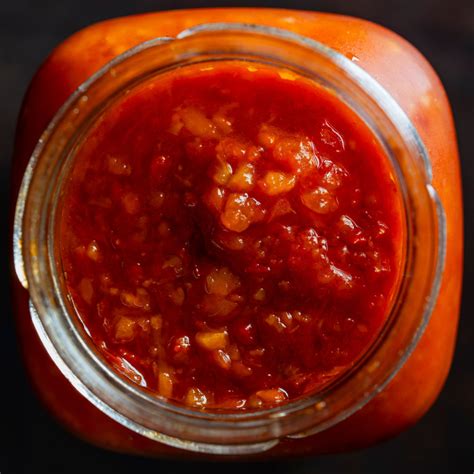
Ultimately, successfully canning heirloom tomatoes boils down to attentive observation and timely action. By understanding the visual, tactile, and aromatic cues of ripeness, and considering environmental factors, you can ensure your home-canned tomatoes burst with the vibrant, complex flavors that only true heirlooms can offer, making your efforts truly rewarding.