





How to adapt old family recipes for seasonal garden harvests & real food ingredients?

Reimagining Culinary Heritage with Freshness
Family recipes are more than just instructions; they are edible heirlooms, carrying stories, memories, and a taste of generations past. While their sentimental value is immense, many traditional recipes hail from a time when ingredients were different, and nutritional science was less understood. Today, with a growing emphasis on seasonal eating, homegrown produce, and whole, unprocessed foods, there’s a wonderful opportunity to adapt these beloved dishes, making them healthier, more vibrant, and truly reflective of a real food lifestyle.
This guide will help you navigate the delightful challenge of updating your culinary treasures, infusing them with the goodness of your garden or local market’s bounty, and upgrading to ingredients that nourish your body without sacrificing the nostalgic flavors you love.
Why Adapt Your Ancestors’ Recipes?
The reasons for modernizing old family recipes are numerous and compelling:
- Enhanced Nutrition: Many older recipes often call for refined sugars, processed fats, and less whole grains. Swapping these for nutrient-dense alternatives significantly boosts the health profile of your meals.
- Peak Flavor: Seasonal fruits and vegetables, especially those freshly harvested from your garden, offer unparalleled taste and aroma that can elevate any dish.
- Sustainability: Eating seasonally and locally reduces your carbon footprint and supports a more sustainable food system.
- Dietary Needs: Adapting recipes allows you to easily incorporate changes for allergies, intolerances, or personal dietary preferences (e.g., gluten-free, dairy-free).
- Culinary Creativity: It’s a fantastic way to engage with your food, experiment with new ingredients, and make a recipe uniquely your own while honoring its origins.

Key Principles for Adaptation
1. Understand the Original Recipe’s Core
Before making changes, understand the original recipe’s purpose and what each ingredient contributes. Is the sugar primarily for sweetness or texture (like browning in baked goods)? Is the fat for flavor, flakiness, or moisture? Knowing this helps you choose appropriate substitutions.
2. Embrace Seasonal Produce Swaps
This is where your garden or farmer’s market truly shines. Think about the dominant flavors and textures in the original recipe and find seasonal equivalents:
- Root Vegetables: If a stew calls for potatoes, consider adding parsnips, carrots, sweet potatoes, or turnips from your fall harvest.
- Leafy Greens: Exchange store-bought lettuce for fresh spinach, kale, or chard from your garden in salads or sautés.
- Fruits: Replace canned fruit with fresh, in-season berries, peaches, apples, or plums for pies, cobblers, and jams.
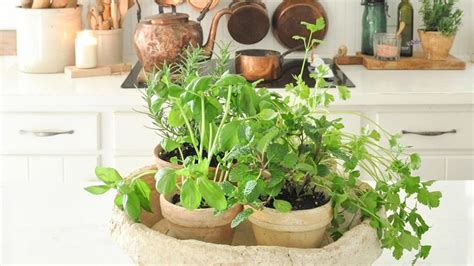
- Herbs: Fresh herbs from your garden (basil, thyme, rosemary, oregano) are far more potent and flavorful than dried versions.
3. Upgrade to Real Food Ingredients
Focus on swapping processed items for their whole, unprocessed counterparts:
- Fats: Replace hydrogenated oils, margarine, or shortening with butter, olive oil, avocado oil, or coconut oil.
- Sweeteners: Reduce refined white sugar by using natural sweeteners like honey, maple syrup, dates, fruit purées (applesauce, mashed bananas), or a smaller amount of unrefined cane sugar.
- Flours: Substitute all-purpose flour with whole wheat flour, spelt flour, almond flour, or oat flour. Start by replacing a portion (e.g., half) to adjust to texture differences.
- Dairy: Opt for full-fat plain yogurt, grass-fed milk, or artisanal cheeses instead of low-fat or highly processed dairy products. Plant-based alternatives like almond or oat milk can also be excellent swaps.
- Broths & Sauces: Use homemade bone broth or vegetable stock instead of bouillon cubes or canned soups for deeper flavor and fewer additives.
4. Adjust Cooking Methods and Seasoning
Sometimes, adapting isn’t just about ingredients. Consider:
- Less Processing: Instead of peeling all vegetables, consider leaving nutrient-rich skins on.
- Cooking Methods: Roasting vegetables brings out their natural sweetness more than boiling. Steaming can preserve more nutrients.
- Seasoning: As you add fresh, flavorful ingredients, you might find you need less salt. Rely on fresh herbs, spices, citrus zest, and vinegars to brighten flavors naturally.

Practical Steps for Successful Adaptation
- Start Small: Don’t try to overhaul a complex recipe all at once. Begin by changing just one or two ingredients, like swapping out a fat or reducing sugar.
- Taste as You Go: This is crucial, especially when adjusting seasonings or sweetness. Small adjustments can make a big difference.
- Document Your Changes: Keep a dedicated recipe journal or make notes directly on copies of the original recipes. Record what you changed, why, and whether you liked the results. This helps you refine future attempts.
- Embrace Imperfection: Not every adaptation will be a resounding success on the first try, and that’s perfectly fine! Part of the joy is in the experimentation.
- Consider Preservation: If your garden yields a bumper crop, adapt recipes to include freezing, canning, or dehydrating to enjoy your harvest year-round.

An Example: Grandma’s Apple Pie Transformation
Original: White flour crust, 1 cup white sugar, canned apple filling, butter.
Adapted:
- Crust: Half whole wheat flour, half all-purpose flour for a lighter, nuttier crust.
- Apples: Freshly picked, seasonal apples from the garden or local orchard (e.g., Honeycrisp, Granny Smith mix).
- Sweetener: Reduce sugar to 1/2 cup, using maple syrup or honey for half of it, enhancing the apple’s natural sweetness. Add a pinch of cinnamon and nutmeg.
- Fat: Use high-quality grass-fed butter for rich flavor.
The result is a pie that still tastes like Grandma’s love but is bursting with fresh flavor and wholesome goodness.

Conclusion
Adapting old family recipes for seasonal garden harvests and real food ingredients is a rewarding journey that connects you more deeply to your food, your family’s heritage, and the natural world around you. It’s an act of love – for your health, for your family, and for the planet. So open that old recipe box, look at your garden, and start experimenting. You might just create new traditions that are healthier, more flavorful, and equally cherished by generations to come.