



How to preserve local food finds while traveling, without a full kitchen?
One of the greatest joys of traveling is discovering unique local culinary treasures – from exotic fruits and artisan cheeses to freshly baked goods and regional cured meats. However, the excitement can quickly turn to dismay if you lack a full kitchen to store or prepare these delights, leaving you to either consume them all at once or risk spoilage. But fear not, intrepid food adventurer! Preserving your edible souvenirs without a fully equipped kitchen is entirely possible with a bit of planning and the right techniques.
Understanding Your Limitations & Opportunities
When we talk about ‘no full kitchen,’ it often means you’re relying on a hotel room, Airbnb without cooking facilities, or even camping. This typically implies access to a mini-fridge, perhaps a microwave, and maybe a coffee maker or kettle. The key is to leverage these minimal resources and focus on foods that are naturally more robust or can be easily managed with basic tools.
Essential Gear for the Kitchen-Less Traveler
A few compact items can drastically improve your food preservation game. Investing in these travel-friendly tools will pay off by saving you money and allowing you to savor your finds longer.
- Insulated Cooler Bag or Soft Cooler: Indispensable for keeping perishables cool, especially during transit or when you don’t have constant fridge access.
- Reusable Airtight Containers & Ziploc Bags: Essential for protecting food from air, moisture, and odors. Choose stackable, leak-proof options.
- Portable Immersion Heater or Travel Kettle: Perfect for heating water for instant meals, rehydrating dried foods, or even pasteurizing small amounts.
- Compact Multi-Tool or Small Knife & Cutting Board: For basic prep like slicing cheese, fruit, or bread. Ensure your knife is travel-safe (e.g., foldable, ceramic blade).
- Mini Vacuum Sealer: While an extra gadget, compact versions can be a game-changer for extending the life of many foods by removing air.

Preservation Techniques for Various Food Types
Produce (Fruits & Veggies)
Focus on harder, less delicate produce. Berries, for example, have a short shelf life, while apples, oranges, and root vegetables last much longer. Wash and thoroughly dry produce before storing. Moisture is the enemy of fresh produce, encouraging mold growth. Keep them in breathable bags or containers in your cooler bag or fridge.
Cooked Dishes & Leftovers
If you’ve bought a prepared meal or have leftovers from a restaurant, prompt cooling is crucial. Divide large portions into smaller containers to cool faster. Refrigerate immediately if possible. For items like curries or stews, a travel immersion heater can often reheat them safely in a heat-proof bowl.
Dairy & Cheese
Harder cheeses (cheddar, parmesan) generally fare better than soft cheeses (brie, mozzarella) when traveling. Wrap cheese in wax paper or parchment paper, then an airtight container or bag. This allows it to breathe while preventing it from drying out or absorbing fridge odors. Dairy products like yogurt or milk are best consumed quickly.
Meats & Seafood
These are the riskiest items to preserve without proper refrigeration. Cured meats (salami, jerky) are designed for longevity and are excellent travel choices. Fresh meats and seafood should be cooked and consumed as soon as possible. If you buy fresh, plan to cook it the same day you purchase it using a permitted heating device like a compact hot plate (if your accommodation allows and is safe).
Baked Goods & Breads
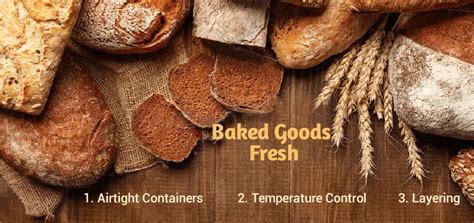
Breads, pastries, and cakes can dry out quickly. Store them in airtight containers or sealed bags to maintain freshness. A quick toast in a toaster (if available) or even a warm pan can revive stale bread. Avoid storing them directly in the fridge, as it can make them go stale faster unless they have creamy fillings that require cold.
Creative Meal Planning & Utilization
Think beyond just storing and start planning how to incorporate your finds into simple, no-cook or minimal-cook meals. Fresh produce can become a quick salad with a store-bought dressing. Cured meats and cheeses combine for an easy charcuterie board. Use your travel kettle to make instant couscous or noodles, then stir in some local vegetables or pre-cooked protein.

Safety First: Tips for Food Hygiene
When kitchen resources are limited, food safety becomes even more paramount. Always wash your hands thoroughly before handling food. Use clean utensils and surfaces. Be mindful of temperature; the ‘danger zone’ for food is between 40°F (4°C) and 140°F (60°C), where bacteria multiply rapidly. If food has been sitting out for more than two hours, especially in warm climates, it’s best to discard it. When in doubt, throw it out – no local delicacy is worth a traveler’s sickness.
Preserving local food finds while traveling without a full kitchen might seem challenging, but with the right tools, a little creativity, and a strong commitment to food safety, you can extend the enjoyment of your culinary explorations. Embrace the challenge, savor the flavors, and make your travel memories even richer and tastier!