





What real food recipes preserve garden bounty for homemade country meals?

Embracing the Harvest: Preserving for Wholesome Country Meals
There’s an unparalleled satisfaction in stepping into your garden, basket in hand, knowing that the fruits (and vegetables!) of your labor will nourish your family for months to come. Preserving your garden’s bounty isn’t just about reducing waste; it’s about connecting with ancestral traditions, ensuring a supply of real, wholesome food, and adding a unique depth of flavor to your homemade country meals throughout the year. From the tangy crunch of pickles to the sweet comfort of fruit preserves, these time-honored methods transform fleeting freshness into lasting deliciousness.
The Art of Canning: Jams, Jellies, and Jarred Vegetables
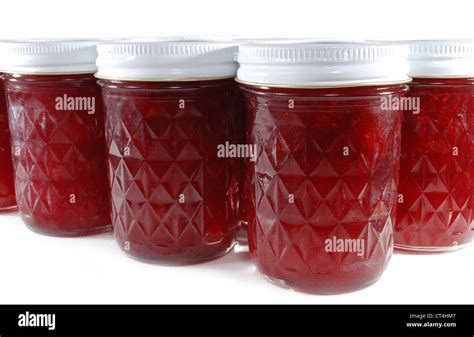
Canning is perhaps the most iconic method of food preservation, turning summer’s peak into pantry staples. Water bath canning is perfect for high-acid foods like fruits, tomatoes, and pickled items, while pressure canning is essential for low-acid vegetables such as green beans, corn, and potatoes. Imagine slathering homemade strawberry jam on warm biscuits in the dead of winter, or opening a jar of your own canned diced tomatoes for a hearty pasta sauce.
- Classic Fruit Jams and Jellies: Peaches, berries, and apples are ideal for sweet spreads that capture the essence of summer.
- Canned Tomatoes: Whole, diced, or crushed, home-canned tomatoes are a foundation for countless savory dishes.
- Pickled Green Beans (Dilly Beans): A zesty, crunchy snack or side dish that’s surprisingly easy to make.
Tangy Delights: Pickling and Fermenting
Pickling and fermenting not only preserve food but also introduce incredible new flavors and beneficial probiotics. These methods rely on an acidic brine or natural fermentation to inhibit spoilage, resulting in bright, zesty additions to any meal. From classic dill pickles to more adventurous ferments, these recipes add a vibrant kick.
- Dill Pickle Slices or Spears: The quintessential garden preservation, perfect for sandwiches or snacking.
- Pickled Beets: Earthy and sweet with a tangy kick, excellent as a side dish.
- Sauerkraut: Fermented cabbage, a superfood rich in probiotics, fantastic with pork or sausages.

Concentrated Flavors: Drying and Dehydrating
Drying is one of the oldest preservation techniques, removing moisture to prevent spoilage and concentrating natural flavors. It’s an energy-efficient method, especially if you have a sunny spot for sun-drying. Dehydrated foods are lightweight and take up minimal storage space, making them perfect for pantry stocking.
- Dried Herbs: Oregano, basil, thyme, and rosemary retain their potency and fragrance.
- Sun-Dried Tomatoes: Intensify the sweet and savory notes of your summer tomatoes.
- Fruit Leathers: A healthy, chewy snack made from pureed and dried fruit, beloved by kids and adults alike.
Freezing for Freshness and Convenience
For many gardeners, freezing is the simplest and most straightforward way to lock in the peak freshness of their harvest. While some vegetables require blanching first, many fruits can be frozen as-is, ready to be pulled out for smoothies, pies, or sauces.
- Blanched Vegetables: Corn kernels, green beans, peas, and broccoli florets freeze beautifully after a quick blanch.
- Whole Berries: Strawberries, blueberries, and raspberries can be frozen individually on trays then bagged for easy use.
- Herbal Pestos and Compound Butters: Preserve the fresh taste of basil, parsley, or chives in convenient portions.

Simple Storage: Root Cellaring and Pantry Basics
Not all preservation requires elaborate processing. Many root vegetables, squashes, and onions can be stored for months in a cool, dark, and moderately humid environment – often called a root cellar, even if it’s just a cool corner of your basement or garage. This low-tech approach is perfect for staples that form the backbone of country cooking.
- Potatoes and Sweet Potatoes: Store in a dark, cool, well-ventilated area, away from onions.
- Onions and Garlic: Hang in mesh bags in a cool, dry place.
- Winter Squash and Pumpkins: Keep whole in a cool, dry spot; they can last for months.

A Year of Homemade Goodness
Integrating these real food preservation recipes into your gardening routine transforms seasonal abundance into a year-round pantry of delicious possibilities. Each jar, bag, or dried slice holds the flavor of your land and the satisfaction of your labor, making every homemade country meal a truly special occasion. Experiment with these methods, find your favorites, and enjoy the bounty of your garden long after the last frost.