

What’s the most cost-effective, rot-resistant wood for DIY raised garden beds?
Building Long-Lasting Raised Garden Beds
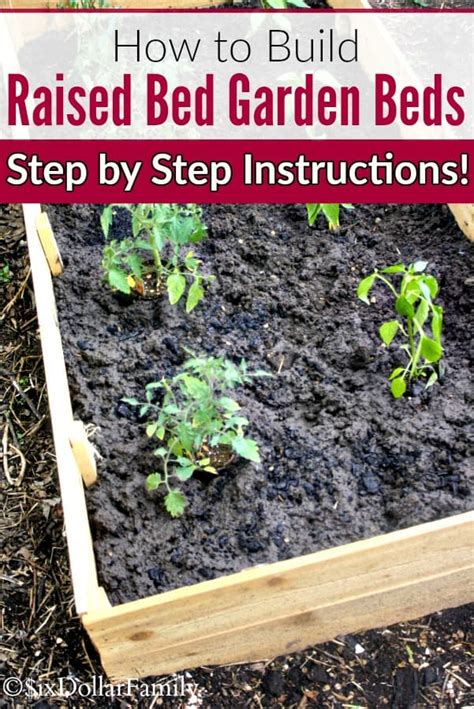
Raised garden beds offer numerous benefits, from better soil drainage and fewer weeds to easier access and extended growing seasons. However, the success and longevity of your raised beds depend significantly on the material you choose, particularly the wood. Selecting a cost-effective yet rot-resistant wood is crucial to avoid premature degradation and the recurring expense of rebuilding.

Understanding Wood Rot and Resistance
Wood rot is primarily caused by fungi that thrive in moist conditions. For raised beds, which are constantly exposed to damp soil and weather elements, selecting wood with natural resistance or effective treatment is paramount. Here’s a look at the most common options:
1. Cedar (Western Red Cedar, Eastern Red Cedar)
- Pros: Naturally highly resistant to rot, insects, and moisture due to its natural oils. It’s aesthetically pleasing and lightweight, making it easy to work with. Untreated cedar is generally considered safe for organic gardening.
- Cons: Can be expensive, especially in larger dimensions or if sourced from non-local suppliers. While rot-resistant, it’s not impervious and will eventually break down, though it will last significantly longer than untreated pine or fir.
- Cost-effectiveness: Mid to high, depending on availability and local pricing. Its longevity often offsets the initial higher cost.
2. Redwood
- Pros: Very similar to cedar in its natural rot and insect resistance, beautiful reddish hue, and relatively lightweight. Also considered safe for organic gardening.
- Cons: Typically more expensive than cedar and often harder to find outside of the western United States. Availability can drive up costs significantly.
- Cost-effectiveness: High, often considered a premium option.

3. Black Locust
- Pros: Extremely dense and naturally rot-resistant, rivaling some of the best exotic hardwoods. It can last 20+ years, even in ground contact. It’s completely natural and safe for food gardens.
- Cons: Very hard to work with (requires pre-drilling), heavy, and can be difficult to source as lumber. Can be quite expensive.
- Cost-effectiveness: High initial cost, but exceptional longevity provides excellent long-term value.
4. White Oak
- Pros: Good natural resistance to rot due to its closed cell structure and density. It’s durable and strong.
- Cons: Can be heavy and difficult to work with. Not as rot-resistant as black locust or cedar in constant moisture, but still a solid choice.
- Cost-effectiveness: Mid to high, depending on sourcing.
5. Treated Lumber (ACQ, MCA)
- Pros: Readily available and typically the most affordable option. Modern treated lumber uses copper-based preservatives (ACQ, MCA) that are considered less toxic than older CCA treatments.
- Cons: There’s ongoing debate about the safety of treated lumber for food gardens, especially with direct soil contact. While manufacturers deem them safe, many organic gardeners prefer to avoid them. The chemicals can leach into the soil over time.
- Cost-effectiveness: Low initial cost, but potential concerns for organic gardening. If used, consider lining the interior with a non-leaching barrier like heavy-duty pond liner or thick plastic sheeting, ensuring drainage.

Strategies for Extending Wood Life & Budgeting
- Lining the Beds: Even with rot-resistant wood, lining the interior with thick plastic sheeting (like pond liner or 6-mil poly) can extend its life significantly by preventing direct soil contact. Remember to poke drainage holes in the liner bottom.
- Elevate from the Ground: Place a gravel base or pavers underneath the bed to prevent direct contact with damp ground, further reducing rot risk.
- Thicker Boards: Thicker lumber (e.g., 2x8s instead of 1x8s) will naturally last longer, regardless of wood type, simply because there’s more material to degrade.
- Corner Reinforcements: Use external corner brackets or posts to strengthen the structure and minimize movement that can lead to gaps and moisture traps.
- Top Cap: Add a wider top cap to the raised bed walls. This not only provides a convenient resting place but also protects the top edge of the sideboards from direct rain and sun exposure.

The Verdict: Balancing Cost and Longevity
For most DIY gardeners seeking a balance between cost-effectiveness and rot resistance, untreated cedar is often the sweet spot. It offers excellent natural resistance, is safe for food crops, and is generally more available and affordable than redwood or black locust. If your budget is extremely tight, modern treated lumber (ACQ/MCA) can be an option, but it’s highly recommended to line the interior to minimize chemical leaching into your garden soil.
Ultimately, the best choice for you will depend on your local lumber availability, budget, and personal comfort with treated materials. Investing a little more upfront in a naturally rot-resistant wood like cedar will save you time and money in the long run by providing years of worry-free gardening.