

Best canning methods for preserving homegrown garden tomatoes safely?

Introduction to Safe Tomato Preservation
There’s nothing quite like the flavor of sun-ripened, homegrown tomatoes. To extend that delightful taste far beyond the summer harvest, canning is an excellent preservation method. However, ensuring safety is paramount when canning tomatoes due to their unique acidity levels. This guide will walk you through the best and safest canning practices for your garden’s bounty, focusing on both water bath and pressure canning techniques.

Understanding Tomato Acidity and Food Safety
Tomatoes are often considered borderline acidic. While many varieties have enough natural acidity for safe water bath canning, pH levels can vary significantly depending on the tomato variety, ripeness, growing conditions, and even the weather. To ensure safety and prevent the growth of harmful bacteria like Clostridium botulinum, all home-canned tomato products must be acidified.
The standard recommendation is to add 1 tablespoon of bottled lemon juice or ¼ teaspoon of citric acid per pint jar, or 2 tablespoons of bottled lemon juice or ½ teaspoon of citric acid per quart jar. Vinegar (5% acidity) can also be used, but may alter the flavor more significantly; use 2 tablespoons per pint or 4 tablespoons per quart.
Water Bath Canning: The Traditional Method
Water bath canning is suitable for high-acid foods. When properly acidified, whole, halved, crushed, or juiced tomatoes can be safely processed in a boiling water canner. This method involves submerging sealed jars in boiling water for a specified period, which creates a vacuum seal and destroys spoilage microorganisms.
Equipment Needed:
- Large water bath canner with a rack
- Canning jars (pint or quart)
- Two-piece lids (new flats, clean rings)
- Jar lifter, canning funnel, headspace tool, bubble remover
Basic Steps:
- Prepare tomatoes: wash, blanch, peel, core, and chop as desired.
- Add acidification agent (lemon juice or citric acid) to each clean jar.
- Pack hot or raw tomatoes into jars, leaving appropriate headspace (½ inch for most tomato products).
- Remove air bubbles, wipe rims, and center lids, then screw on bands fingertip tight.
- Process jars in boiling water for the recommended time, adjusting for altitude.
- Carefully remove jars and let cool undisturbed for 12-24 hours.
Pressure Canning: For Enhanced Safety and Versatility
While water bath canning is safe for acidified plain tomatoes, pressure canning offers an even higher level of safety, especially for tomato products mixed with low-acid vegetables (like onions, peppers, or carrots in sauces) or for non-acidified plain tomatoes (though acidification is still highly recommended even for pressure canning plain tomatoes for an extra margin of safety unless using a specific, tested recipe that omits it). Pressure canning achieves higher temperatures than boiling water, effectively destroying all types of bacteria, including botulism spores.
Equipment Needed:
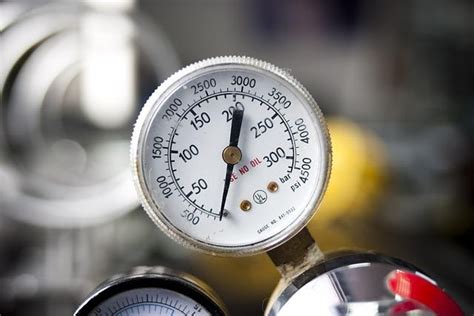
- Dial-gauge or weighted-gauge pressure canner
- Canning jars, two-piece lids, and standard canning tools
Basic Steps:
- Prepare tomatoes and other ingredients according to a tested recipe.
- Add acidification agent to jars (if recommended by recipe, which it often is).
- Pack hot or raw ingredients into jars, leaving specified headspace.
- Remove air bubbles, wipe rims, and center lids, then screw on bands fingertip tight.
- Place jars in the pressure canner, secure the lid, and vent steam for 10 minutes.
- Apply weights or close vent, then bring to recommended pressure.
- Process jars for the specified time, maintaining consistent pressure.
- Turn off heat, let pressure drop naturally to zero, then wait 10 minutes before opening the canner.
- Remove jars and let cool undisturbed for 12-24 hours.
Essential General Canning Tips for Success
- Use Tested Recipes: Always follow up-to-date, scientifically tested recipes from reputable sources like the USDA Complete Guide to Home Canning, university extension offices (e.g., National Center for Home Food Preservation), or trusted canning guides. Do NOT rely on old family recipes or untested internet sources.
- Jar Preparation: Always use canning-specific glass jars in good condition (no chips or cracks). Wash jars thoroughly and keep them hot until filling.
- Lid Usage: Use new canning flats each time. Rings can be reused if they are rust-free and not bent.
- Headspace: Leave the exact amount of headspace recommended by the recipe. Too little can result in siphoning; too much can lead to unsealed jars.
- Remove Air Bubbles: Before sealing, gently slide a non-metallic utensil around the inside of the jar to release trapped air bubbles.
- Altitude Adjustments: If you live at an altitude above 1,000 feet, you must adjust processing times or pressure levels according to tested charts to ensure food safety.
Post-Canning and Storage
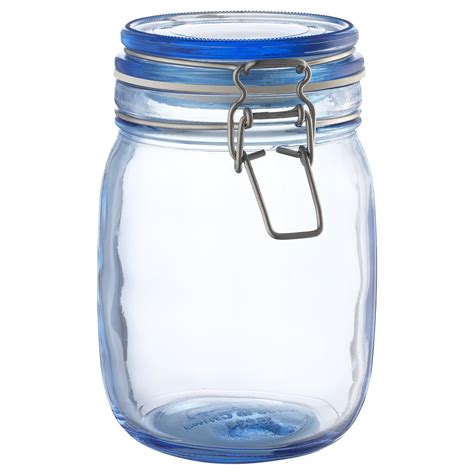
After jars have cooled completely (12-24 hours), check seals. A properly sealed lid will be concave (curved inwards) and will not flex when pressed. Remove rings for storage. Label your jars with the contents and date. Store in a cool, dark, dry place. Discard any jars that don’t seal, show signs of spoilage (like bulging lids, mold, or off-odors), or have a broken seal during storage.

Conclusion
Preserving your homegrown tomatoes is a rewarding process that provides you with delicious, healthy food year-round. By understanding tomato acidity, carefully following modern, tested canning recipes, and choosing the appropriate method (water bath or pressure canning with proper acidification), you can confidently stock your pantry with safe, high-quality tomato products. Enjoy the taste of summer long after the season ends!