


How to safely pack homemade preserves for a long country journey?
Embarking on a Culinary Adventure: Packing Preserves for the Road
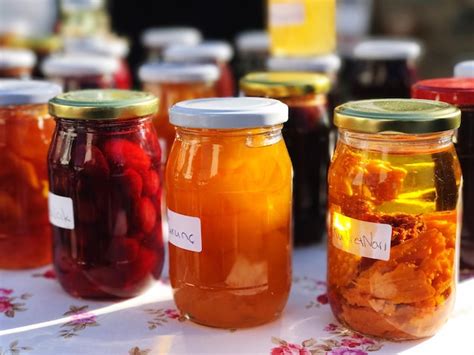
There’s immense satisfaction in sharing the fruits of your labor – literally – with loved ones, especially when those labors come in the form of homemade jams, jellies, and pickles. A long country journey often presents the perfect opportunity to deliver these culinary treasures. However, the bumpy roads, varying temperatures, and jostling of travel can be a formidable foe to delicate glass jars. Proper packing is paramount to ensure your precious preserves arrive at their destination as perfectly as they left your kitchen.
Preparation is Key: The Foundation of Safe Travel
Before you even think about boxes and bubble wrap, ensure your preserves are ready for the road. This foundational step is critical for both food safety and structural integrity:
- Check Seals Thoroughly: Every jar must have a complete, secure seal. Listen for the distinct ‘pop’ when opening a jar, or visually check that the lid’s center is concave (pulled down). A faulty seal means spoilage is a risk, and the jar is more susceptible to leaking or breaking.
- Cool Completely: Never pack warm or hot jars. Allow all preserves to cool to room temperature, ideally overnight. Packing warm jars can create condensation, weaken packaging, and potentially compromise seals as temperatures fluctuate.
- Clean and Dry: Wipe down all jars to remove any stickiness or residue. Dry jars are less likely to slip during packing and prevent moisture issues in transit.
- Inspect for Flaws: Briefly examine each jar for hairline cracks, chips, or any signs of structural weakness. It’s better to discover a compromised jar now than to deal with a sticky mess on the road.
Choosing the Right Containers and Cushioning Materials
The success of your packing hinges on selecting appropriate containers and providing ample cushioning. Don’t skimp on these vital components:
- Sturdy Boxes: Opt for strong, corrugated cardboard boxes. Double-walled boxes offer superior protection. Choose boxes that are only slightly larger than your packed jars to minimize internal movement.
- Individual Wrapping: Each jar needs its own protective layer. Bubble wrap is excellent, but clean kitchen towels, newspaper (ensure ink won’t transfer), or even thick socks can work in a pinch. Wrap each jar generously, securing the wrap with tape.
- Internal Cushioning: You’ll need material to fill any gaps within the box. Shredded paper, packing peanuts, crumpled newspaper, or even small pillows or blankets can provide crucial shock absorption.

Mastering Packing Techniques for Stability
How you arrange the jars within the box makes a significant difference in preventing breakage and leaks.
- Bottom Layer Cushion: Start with a generous layer of cushioning material at the bottom of the box.
- Vertical Packing: Always pack jars upright. This is their strongest orientation and minimizes stress on the seals.
- Tight Fit: Arrange the wrapped jars snugly so they don’t shift. If there’s any space between jars, fill it with more cushioning.
- Layering: If you have multiple layers of jars, place a thick layer of cushioning material between each layer.
- Top Cushioning: Finish with another substantial layer of cushioning on top before sealing the box.
- Shake Test: Gently shake the sealed box. If you hear or feel movement, open it up and add more cushioning until everything is secure.
Temperature Control and Vehicle Placement
Extreme temperatures are the enemy of preserves, potentially affecting quality and even safety.
- Insulated Carriers: For very long journeys or trips in hot weather, consider packing your boxed preserves inside an insulated cooler (without ice, unless sealed in a secondary waterproof container to prevent condensation/water damage). This helps regulate temperature fluctuations.
- Avoid Direct Sunlight: Never leave preserves in direct sunlight, whether in the car or during a stop. The sun’s heat can quickly compromise seals and quality.
- Coolest Spot in the Vehicle: Place the boxes in the coolest part of your vehicle, away from windows. The trunk can often get very hot, so the cabin (under a seat or in the footwell, secured) might be a better option if air conditioning is running.
- Secure Placement: Ensure the boxes are secured so they won’t slide around or tip over during braking or turns. Use bungee cords, seatbelts, or wedge them between other luggage.
Final Checks and Journey Tips
A few last considerations can make all the difference for a smooth delivery:
- Label Everything: Clearly label your boxes as “FRAGILE” and “THIS SIDE UP.” If you’re carrying different types of preserves, consider a packing list taped to the box.
- Easy Access (Optional): If you plan to gift some preserves during a stop, consider packing those in a more accessible spot.
- Monitor During Breaks: On exceptionally long journeys, it’s wise to quickly check your preserves during longer stops. Feel the boxes for excessive heat or cold and listen for any unusual sounds.
Enjoy the Sweet Rewards
By taking a little extra time and care with your packing, you can confidently transport your homemade preserves across the country. The joy of sharing your delicious creations, knowing they’ve arrived safely and in perfect condition, is a reward well worth the effort. Happy travels, and enjoy the sweet success of your culinary journey!