


How to naturally deter aphids from organic garden veggies without chemicals?
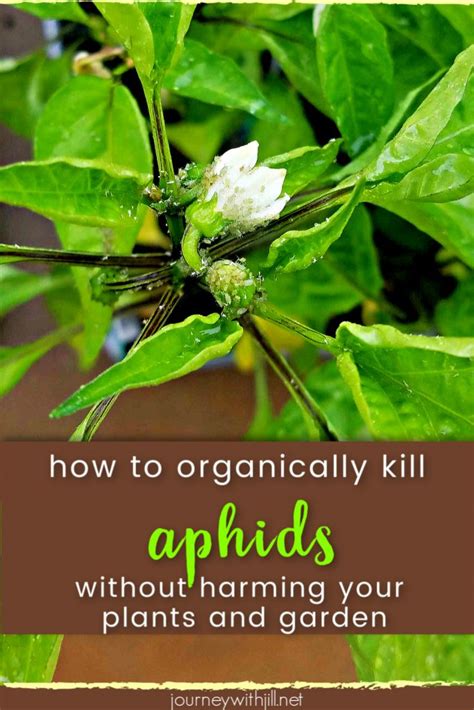
Aphids are a common nuisance for organic gardeners, capable of decimating tender new growth and spreading plant viruses. The challenge lies in protecting your precious harvest without resorting to synthetic pesticides, which can harm beneficial insects, pollute the environment, and compromise the organic integrity of your food. Fortunately, a host of natural, chemical-free methods can effectively deter these tiny sap-suckers and maintain a thriving, healthy garden ecosystem.
Understanding Your Foe: The Aphid Threat
Before diving into solutions, it’s helpful to understand aphids. These small, soft-bodied insects feed by piercing plant tissues and sucking out nutrient-rich sap. This can lead to stunted growth, distorted leaves, yellowing, and even death of young plants. They also excrete a sticky substance called honeydew, which can attract sooty mold and ants. Their rapid reproduction rates mean a small infestation can quickly become an overwhelming problem, making early detection and consistent effort crucial.
Prevention is Key: Cultivating a Resilient Garden
The best defense against aphids is a strong offense, focusing on creating an environment where they are less likely to thrive and your plants are robust enough to withstand minor attacks.
Healthy Soil and Plants
Healthy plants are naturally more resistant to pests. Focus on building nutrient-rich soil through composting and organic amendments. Ensure your plants receive adequate water and sunlight. Avoid over-fertilizing with nitrogen, as this can produce lush, sappy growth that is particularly attractive to aphids. A balanced ecosystem starts from the ground up.

Companion Planting Strategies
Certain plants can naturally deter aphids or attract their predators. For example, planting garlic, onions, chives, or marigolds near susceptible vegetables can help repel aphids with their strong scents. Nasturtiums are known as a ‘trap crop’ – aphids love them, diverting them away from your prized veggies. However, remember to monitor the nasturtiums and destroy the aphids on them before they become an overwhelming source.
Attracting Beneficial Insects
Nature provides its own pest control! Ladybugs, lacewings, hoverflies, and parasitic wasps are natural predators of aphids. You can encourage these helpful insects by planting a variety of flowering plants that provide nectar and pollen, such as dill, cilantro, calendula, sweet alyssum, and cosmos. Avoid using any broad-spectrum pesticides, as these will kill beneficial insects along with the pests.
![[FirstEd] Rena Rouge Beachside Benefits (Miraculous Ladybug)](/images/aHR0cHM6Ly90czIubW0uYmluZy5uZXQvdGg/aWQ9T0lQLm1TcE45ektjNzhYMHJnZTRsTDhBUlFIYUtZJnBpZD0xNS4x.webp)
Hands-On Methods for Existing Infestations
When aphids do appear, several chemical-free tactics can help you remove them directly.
Manual Removal and Water Blasting
For small infestations, you can simply hand-pick aphids off your plants and crush them or drop them into a bucket of soapy water. For larger numbers, a strong spray of water from a garden hose can dislodge aphids from leaves and stems. Be gentle, especially with young plants, to avoid damaging them. Repeat this every few days until the aphid population is under control. Focus on the undersides of leaves where aphids often hide.
Homemade Garlic or Chili Spray (Cautionary Note)
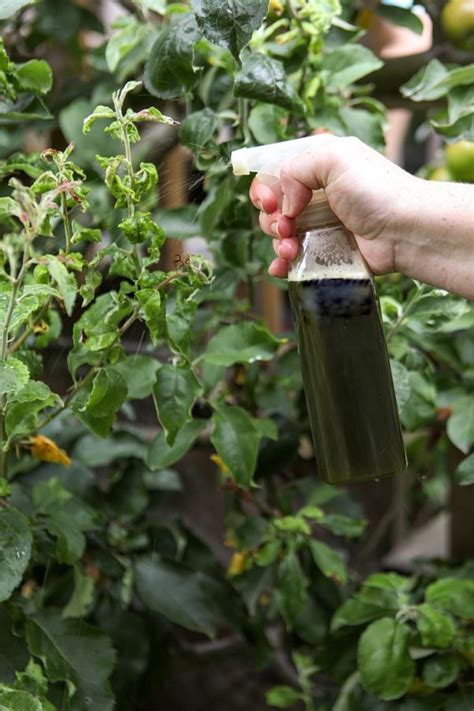
While often recommended, concoctions like garlic or chili sprays, although natural, introduce substances onto your plants. If adhering strictly to “without chemicals” meaning no applied substances at all, then focus on the physical and biological methods. If your definition allows for truly natural, homemade deterrents, garlic water (crushed garlic steeped in water, strained, and sprayed) can act as a repellent. Always test on a small area first to ensure it doesn’t harm your specific plants.
Ongoing Garden Management for Long-Term Control
Sustaining an aphid-free garden requires ongoing vigilance and good horticultural practices.
Regular Inspection
Make it a habit to inspect your plants regularly, especially new growth and the undersides of leaves. Early detection is crucial for managing aphids before they multiply rapidly and cause significant damage. Pay extra attention during periods of warm, dry weather when aphid populations tend to boom.
Crop Rotation and Garden Hygiene
Rotate your crops annually to break pest cycles. Remove plant debris and weeds, which can harbor aphids and their eggs. At the end of the season, clean up your garden beds thoroughly to reduce overwintering sites for pests. Maintaining good garden hygiene is fundamental to long-term pest prevention.

Embrace a Chemical-Free Approach
Deterring aphids from your organic garden doesn’t require harsh chemicals. By fostering a healthy garden ecosystem, employing smart planting strategies, and being proactive with hands-on removal, you can effectively protect your vegetables. Embrace these natural methods to ensure your organic garden remains a thriving, chemical-free haven for both your plants and the beneficial creatures that help keep it in balance.