




Simple ways to pass down homemade skills & country traditions to kids?

In an increasingly digital world, the art of homemade skills and the richness of country traditions offer children a vital connection to the past, a sense of self-reliance, and an appreciation for simpler, more meaningful ways of life. Passing these down isn’t just about preserving heritage; it’s about fostering creativity, problem-solving, and strong family bonds. The beauty lies in making these lessons a natural and enjoyable part of everyday life.
Why Preserve Homemade Skills and Country Traditions?
Beyond the practical benefits, engaging children in traditional skills and customs provides a unique educational experience. It grounds them in their roots, teaches them patience and perseverance, and offers an alternative to screen-based entertainment. These experiences help children develop a sense of identity, belonging, and an appreciation for the efforts involved in creating things from scratch.

Make It an Everyday Activity: The Kitchen Classroom
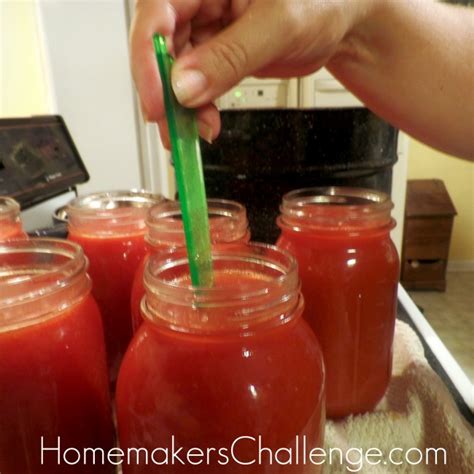
One of the easiest and most rewarding ways to teach practical skills is in the kitchen. Involve kids in baking bread from scratch, making jam, or preparing simple meals using garden ingredients. Let them measure, stir, and knead. This teaches not only culinary skills but also math, science, and patience. Start with simple recipes and gradually introduce more complex ones as their confidence grows. Sharing family recipes and the stories behind them adds another layer of tradition, making meal preparation a cherished ritual.
Embrace Handcrafts and DIY Projects
From knitting a simple scarf to whittling wood (with supervision for older kids), or even repairing a fence, handcrafts and DIY projects teach valuable practical skills and boost creativity. Show them how to mend clothes, build a birdhouse, or press flowers. These activities develop fine motor skills, focus, and the immense satisfaction of creating something useful or beautiful with their own hands. Visit local craft fairs or historical reenactments to inspire new projects and demonstrate the enduring value of traditional crafts.
Connect with Nature: Gardening and Outdoor Skills
Country traditions often involve a deep connection to the land. Introduce children to gardening, from planting seeds to harvesting vegetables. Teach them about composting, identifying local plants and animals, or even basic woodworking for garden stakes. Spend time outdoors identifying constellations, tracking animal prints, or learning about seasonal changes and the cycles of nature. These activities foster a respect for nature, an understanding of where food comes from, and practical skills that promote self-sufficiency.

Share Stories, Songs, and Games
Many country traditions are passed down orally or through communal activities. Share family stories, especially those about ancestors or life ‘back in the day.’ Teach them traditional songs, lullabies, or rhymes that have been part of your family or cultural heritage. Introduce them to classic outdoor games like hide-and-seek, tag, or simple games like marbles or hopscotch. These non-material traditions enrich their understanding of their heritage and create cherished memories. Organize family gatherings where these stories, songs, and games can be shared collectively, reinforcing their importance and passing them to the next generation.

Conclusion: Building a Legacy, One Skill at a Time
Passing down homemade skills and country traditions is more than just teaching tasks; it’s about instilling values, building resilience, and forging unbreakable family bonds. By making these activities fun, engaging, and a regular part of family life, you’re not just preserving the past, but also equipping your children with invaluable tools for a rich and fulfilling future. Start small, be patient, and enjoy the journey of discovery and connection together.