




Tips for properly seasoning and maintaining a cast iron skillet for country cooking?

Mastering Your Cast Iron for Authentic Country Flavors
There’s nothing quite like a well-seasoned cast iron skillet to bring out the authentic, robust flavors of country cooking. From crispy fried chicken to perfectly seared cornbread, a properly cared-for cast iron pan is more than just cookware—it’s an heirloom. But achieving that non-stick, beautifully dark surface and ensuring its longevity requires understanding the art and science of seasoning and maintenance. Let’s delve into the essential tips to keep your skillet performing its best for generations.
Understanding the Magic of Seasoning
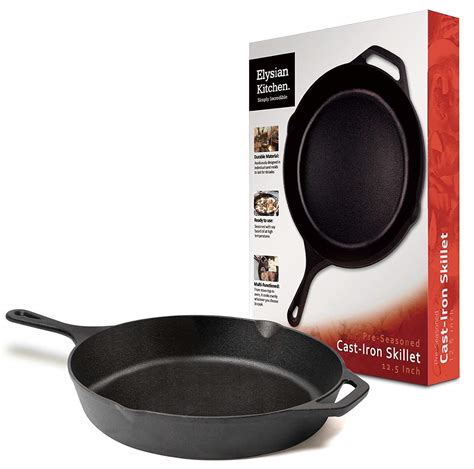
Seasoning isn’t just about adding oil; it’s a process where fat (oil) bakes onto the iron surface, polymerizing to form a thin, hard, non-stick coating. This layer protects the iron from rust and provides that coveted slick cooking surface. A good seasoning builds up over time, darkening and strengthening with each use and proper care.
Initial Seasoning for New or Bare Skillets
- Clean Thoroughly: If new, scrub with hot water and a brush to remove any factory wax. If old and rusty, use steel wool or a wire brush, then wash. Dry immediately and completely.
- Apply a Thin Layer of Oil: Use a high smoke point oil like flaxseed, grapeseed, or vegetable oil. Apply a very thin, even layer over the entire skillet—inside, outside, and handle. Wipe off any excess so it looks dry, not wet.
- Bake It In: Place the skillet upside down in a cold oven. Heat the oven to 450-500°F (232-260°C). Once it reaches temperature, bake for one hour. Turn off the oven and let the skillet cool completely inside.
- Repeat: For best results, repeat this oiling and baking process 3-5 times. The skillet will gradually darken and develop a smooth sheen.
Re-seasoning When Needed
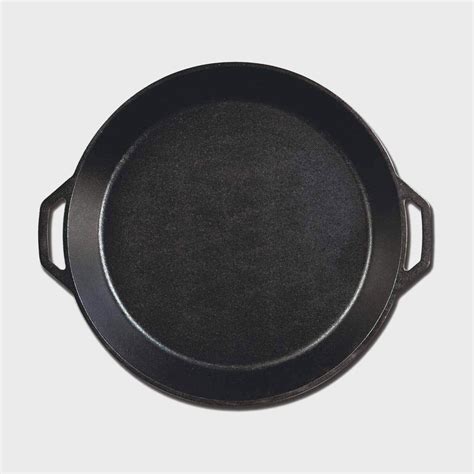
Sometimes, your skillet might lose its non-stick properties, show rust spots, or foods might start sticking. This is a sign it needs a refresh. Follow the steps for initial seasoning, focusing on scrubbing off any rust or flaky bits before applying oil and baking. A well-seasoned skillet will repel water and have a slightly greasy, smooth feel.
Daily Maintenance for Lasting Performance
The key to a long-lasting cast iron skillet lies in consistent daily care. This routine helps build and maintain that precious seasoning layer.
Cleaning After Each Use
- Scrape and Rinse: While the skillet is still warm (but not scorching hot), scrape out any food bits with a metal spatula or a cast iron scraper. Rinse with hot water.
- Avoid Harsh Soaps (Mostly): For general cleaning, hot water and a stiff brush or a non-abrasive sponge are usually enough. A tiny bit of mild dish soap can be used occasionally if food is really stuck or greasy, but always rinse thoroughly and dry immediately.
- Stubborn Bits: For stuck-on food, boil a little water in the skillet for a few minutes, then scrape. Alternatively, use coarse salt as an abrasive with a paper towel or sponge.

Drying and Oiling
This step is crucial to prevent rust and maintain seasoning:
- Dry Thoroughly: After washing, immediately dry the skillet completely with a towel. For extra assurance, place it on a stovetop over low heat for a few minutes until all moisture evaporates.
- Apply a Thin Oil Coat: Once dry and slightly warm, apply a very thin layer of cooking oil (like vegetable or canola) to the entire cooking surface with a paper towel. Wipe off any excess; it should look matte, not shiny or wet. This protective layer is vital.

Proper Storage to Prevent Rust
Once your skillet is clean, dry, and lightly oiled, proper storage is essential. Store it in a dry place. If stacking other pans on top, place a paper towel or cloth between them to absorb any residual moisture and prevent scratching the seasoning. Avoid humid environments or areas where it might get wet.
Common Mistakes to Avoid
- Dishwasher Use: Never put cast iron in a dishwasher. The harsh detergents will strip the seasoning and cause immediate rust.
- Soaking: Don’t leave your cast iron skillet to soak in water. This will lead to rust.
- Using Too Much Soap: While a little mild soap is fine occasionally, excessive soap can strip the seasoning.
- Cooking Highly Acidic Foods Initially: When your skillet is very new or has a weak seasoning, highly acidic foods (like tomato sauce) can strip the seasoning. As the seasoning builds, it becomes more resilient.

The Legacy of a Well-Loved Skillet
A well-maintained cast iron skillet isn’t just a kitchen tool; it’s a culinary companion that improves with age and use. By diligently following these seasoning and maintenance tips, you’ll ensure your skillet remains a cherished centerpiece for delicious country cooking, ready to be passed down through generations, carrying with it the stories and flavors of countless meals.