





Budget tips for sourcing local, homemade food on rural travels?

Rural travels offer a unique opportunity to connect with local culture and traditions, and nowhere is this more evident than through food. Moving away from chain restaurants and tourist traps, sourcing authentic, homemade meals in quaint villages and remote landscapes can be a culinary adventure. But how do you do it without overspending? Here are some budget-friendly tips to savor the true flavors of your rural journey.
Embrace Local Markets and Farm Stands
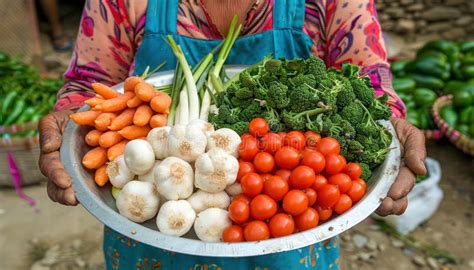
One of the best ways to find fresh, inexpensive, and truly local food is to visit farmers’ markets and roadside stands. These are often hubs for seasonal produce, homemade preserves, baked goods, and even local meats and cheeses directly from the producers. Arriving later in the day might yield discounts as vendors look to clear stock, but early mornings guarantee the best selection. Don’t be shy to ask about origin or for taste samples, fostering a connection with the local community and its producers.
Seek Out Local Eateries and Community Events
Beyond formal restaurants, many rural areas boast small, family-run diners, cafes, or even general stores that serve simple, hearty, and affordable homemade meals. Ask locals for their favorite spots – they’re often hidden gems known only to residents and offer incredible value. Keep an eye out for community events, church fundraisers, or local festivals; these are fantastic places to experience traditional cooking, often at very low prices, and mingle with the community. Participating in these local gatherings can offer a true taste of the region’s culinary soul.

Leverage Homestays and Guesthouses
Opting for a homestay or guesthouse can be a game-changer for budget food sourcing. Many hosts offer breakfast included in the stay, often featuring homemade items like fresh bread, jams, or eggs from their own chickens. Some might even offer dinner at an additional, usually reasonable, cost, providing an authentic home-cooked meal experience. Even better, some accommodations provide access to a shared kitchen, allowing you to prepare your own meals using ingredients bought from local markets. Engaging with your hosts can also lead to invaluable tips on where to find the best local eats or even shared cooking sessions, learning traditional recipes first-hand.

Pack Smart & Be Prepared
Bringing a few essentials can make a big difference to your food budget. A reusable shopping bag is crucial for market visits. Consider packing a small cooler or insulated bag if you plan to buy perishables, ensuring fresh produce stays that way. Basic cutlery, a reusable water bottle, and some small containers can help you save leftovers from meals or pack delightful picnic lunches. Non-perishable snacks from home can also curb impulse buys when hunger strikes between meals, keeping you on track with your budget.
Forage Responsibly or Explore Bartering
In some rural settings, especially if you have local knowledge or are with a guide, responsible foraging for wild berries, mushrooms, or herbs might be an option. Always exercise extreme caution and only forage if you are absolutely certain of identification and local regulations, as misidentification can be dangerous. Another less common but possible option, particularly in very remote areas, could be bartering. If you have a specific skill (e.g., photography, basic repairs) or useful item, you might find opportunities to exchange it for food or produce with locals who are open to the idea, fostering unique cultural exchanges.

Cook Your Own (When Possible)
Booking accommodations with kitchenettes or full kitchens is a fantastic way to control your food budget and enjoy local ingredients fully. You can purchase fresh, local ingredients from markets and prepare simple, delicious meals tailored to your taste. This not only saves money but also allows for a deeper connection to the local produce, transforming cooking into an immersive cultural activity. Enjoying a picnic made with ingredients from a local deli or bakery amidst a scenic rural landscape is often more memorable and affordable than a restaurant meal, offering picturesque dining experiences.

Sourcing local, homemade food on your rural travels doesn’t have to be expensive. With a little planning, an open mind, and a willingness to engage with the local community, you can enjoy authentic culinary experiences that are both memorable and kind to your wallet. These simple strategies will not only save you money but also enrich your journey, allowing you to taste the true heart of the places you visit and create lasting memories.