




Easy real food recipes to preserve seasonal garden harvest for year-round meals?

Unlock the Flavor of Your Garden All Year Long
There’s nothing quite like the taste of fresh, sun-ripened produce straight from your garden. But what happens when the harvest is abundant, and you can’t possibly eat it all before it spoils? The answer lies in the age-old art of food preservation! By learning a few easy, real food methods, you can capture the peak flavor of your seasonal harvest and enjoy nutritious, home-grown meals long after the growing season ends.
Preserving your garden’s bounty not only reduces food waste but also saves money, allows you to control ingredients, and ensures you have healthy, delicious food on hand throughout the year. Let’s explore some accessible techniques and recipes to get you started.
Freezing: The Easiest Way to Preserve Freshness
Freezing is perhaps the simplest and most straightforward method for preserving a wide variety of fruits and vegetables. It requires minimal equipment and retains much of the food’s original flavor and nutritional value.
Easy Freezing Ideas:
- Berries: Wash and dry berries thoroughly, then spread them in a single layer on a baking sheet. Freeze until solid, then transfer to freezer bags or containers. Perfect for smoothies, oatmeal, or baking.
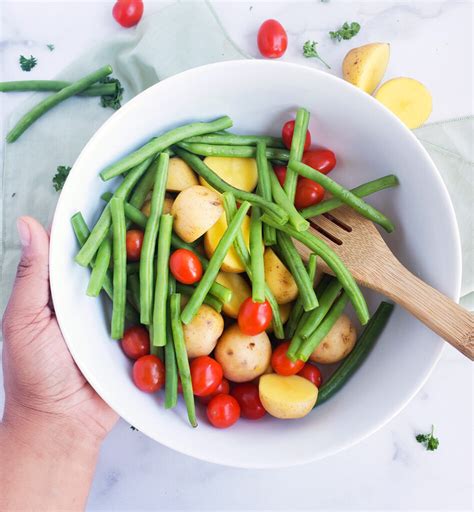
- Blanched Vegetables: Blanch vegetables like green beans, broccoli, or corn in boiling water for a minute or two, then immediately plunge into ice water. Drain well, pat dry, and freeze in bags. They’ll be ready for stir-fries, soups, or side dishes.
- Herbs: Chop fresh herbs and mix with a little olive oil or water, then freeze in ice cube trays. Once solid, transfer to freezer bags. Pop out a cube for cooking whenever needed.
- Tomato Puree/Sauce: Cook down ripe tomatoes into a simple puree or sauce, then cool and freeze in portion-sized containers or freezer bags.

Canning: Shelf-Stable Goodness for Your Pantry
Canning allows you to store food safely at room temperature for extended periods, making it a favorite for many home preservers. While it requires a bit more attention to detail, the reward of a fully stocked pantry is immense.
Simple Canning Recipes:
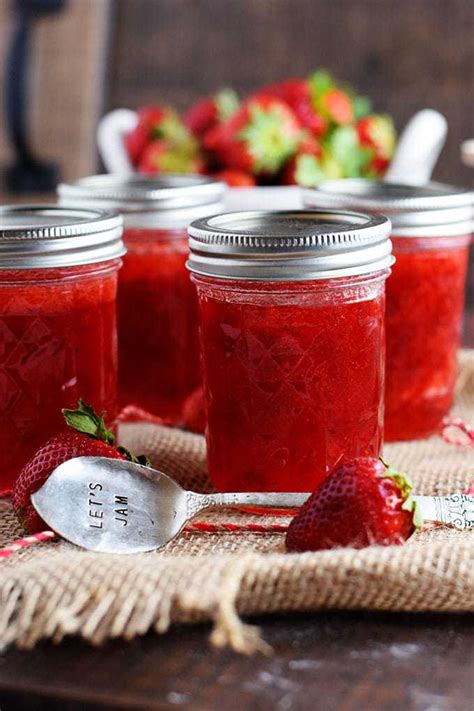
- Strawberry Jam: Combine crushed strawberries with sugar and a little lemon juice. Cook until thick, then ladle into sterilized jars, process in a boiling water bath, and seal. A classic way to enjoy summer’s sweetness.
- Dill Pickles: Crisp cucumbers transform into tangy pickles when submerged in a brine of vinegar, water, salt, garlic, and dill. Process in a water bath for shelf stability.
- Tomato Sauce/Salsa: Use ripe tomatoes to create flavorful sauces or salsas. These can be pressure canned (for low-acid varieties) or water bath canned (for high-acid recipes with added vinegar or lemon juice).
Dehydrating: Concentrated Flavor and Lightweight Storage
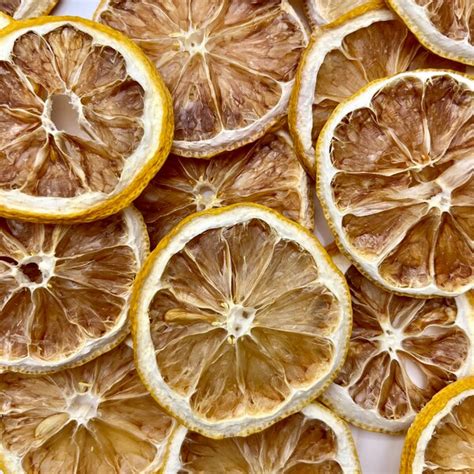
Dehydrating removes moisture from food, inhibiting spoilage and concentrating flavors. It’s an excellent method for creating lightweight snacks and ingredients that take up minimal pantry space.
Easy Dehydrating Ideas:
- Fruit Leathers/Chips: Puree fruits like apples, berries, or peaches, spread thinly on a dehydrator sheet, and dry until pliable. Slice apples or bananas thinly and dry for healthy chips.
- Dried Herbs: Simply spread clean herb leaves on dehydrator trays or hang them in a dry, airy place. Once brittle, crumble and store in airtight containers.
- Sun-Dried Tomatoes: Slice tomatoes and dry them until leathery. Store in olive oil or airtight containers for a burst of intense tomato flavor in winter dishes.
Fermentation: Probiotic Powerhouse for Gut Health
Fermentation is an ancient preservation method that not only extends the life of food but also creates beneficial probiotics, boosting gut health. It’s surprisingly easy to get started with basic fermentation.
Beginner-Friendly Fermentation:
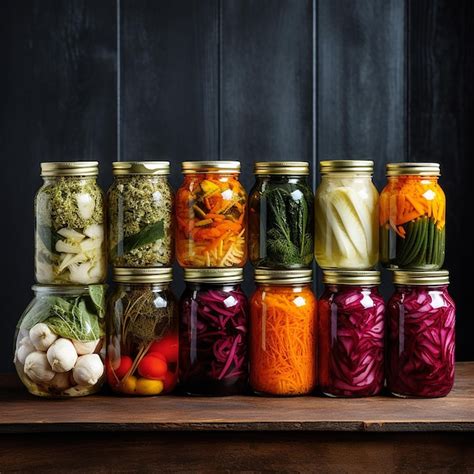
- Sauerkraut: Shred cabbage, mix with salt, and massage until it releases liquid. Pack tightly into a jar, ensuring the cabbage is submerged in its brine. Cover and allow to ferment at room temperature for several days or weeks.
- Lacto-Fermented Pickles/Carrots: Submerge vegetables in a saltwater brine with optional spices. The beneficial bacteria will work their magic, creating tangy, probiotic-rich pickles.
Tips for Successful Preservation
- Start Small: Don’t try to preserve everything at once. Pick one method and one recipe to master before moving on.
- Use Quality Produce: Always start with the freshest, highest-quality produce for the best results.
- Follow Tested Recipes: Especially for canning, always use tested recipes from reliable sources like university extension offices to ensure safety.
- Label Everything: Include the contents and date of preservation on all your jars and containers.
With these easy real food preservation methods, your seasonal garden harvest can become a source of delicious, healthy meals all year round. Imagine pulling out homemade tomato sauce in January or adding homegrown berries to your breakfast in February. The satisfaction of eating from your own pantry is truly unmatched.

Enjoying Your Preserved Harvest
Once your pantry is stocked, get creative! Use your canned jams on toast, frozen berries in smoothies, dehydrated tomatoes in pasta dishes, and fermented kraut as a healthy side. Preserving your garden’s bounty is a rewarding journey that connects you more deeply with your food and the changing seasons.