




How to best preserve garden bounty using real food recipes?

Embrace the Season: Preserving Your Garden’s Bounty
There’s nothing quite like the satisfaction of harvesting fresh produce from your own garden. The vibrant colors, the earthy smells, and the undeniable taste of sun-ripened fruits and vegetables are a testament to nature’s generosity. However, a bountiful harvest often presents a delightful challenge: how to enjoy and utilize every last bit of that goodness before it spoils? The answer lies in real food preservation, a culinary art that allows you to capture peak freshness and flavor for months to come, all while avoiding artificial additives and preservatives.
Preserving your garden’s treasures with real food recipes means extending the joy of your harvest into colder months, transforming fleeting abundance into year-round deliciousness. It’s about more than just preventing waste; it’s about culinary creativity, sustainable living, and nourishing your family with wholesome ingredients straight from the earth.
Why Choose Real Food Preservation?
In a world increasingly reliant on processed foods, real food preservation stands as a vital practice. It empowers you to control exactly what goes into your family’s diet, ensuring your preserved foods are free from high-fructose corn syrup, artificial colors, and synthetic preservatives. By using simple, natural ingredients – often just your produce, a touch of salt, sugar, vinegar, or water – you maintain the nutritional integrity and authentic flavor of your harvest.
Beyond health benefits, real food preservation is incredibly rewarding. Imagine opening a jar of homemade tomato sauce in January that tastes like summer, or a batch of crisp dill pickles that remind you of warm garden days. It connects you more deeply to your food source and fosters a greater appreciation for seasonal eating.
Popular Real Food Preservation Methods
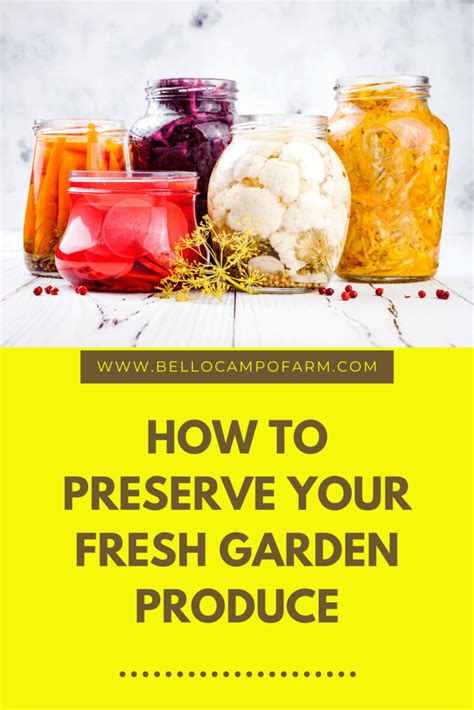
There are several tried-and-true methods for preserving garden bounty, each suited to different types of produce and culinary goals. Focusing on real food principles, these techniques minimize artificial intervention and maximize natural flavors.
Canning (Water Bath & Pressure)
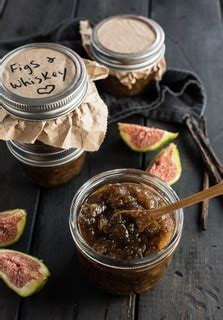
Canning is perhaps the most iconic preservation method, perfect for sealing in the freshness of fruits, tomatoes, and vegetables. Water bath canning is ideal for high-acid foods like jams, jellies, pickles, and most fruit preserves. Pressure canning is essential for low-acid vegetables, meats, and mixed recipes to ensure safety.
- Real Food Recipes: Strawberry jam with minimal sugar, whole peeled tomatoes, dilly beans, peach salsa, applesauce.
Freezing
Freezing is one of the simplest ways to preserve many garden vegetables and fruits. Proper blanching (for vegetables) helps maintain texture and color, while fruits can often be frozen whole, sliced, or as purées. It’s an excellent method for capturing nutrients.
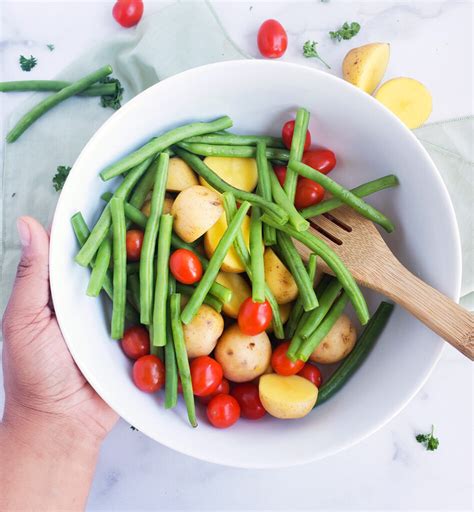
- Real Food Recipes: Blanched green beans, corn kernels, berries for smoothies, kale or spinach for winter soups, herb pesto cubes.
Dehydrating
Removing moisture inhibits spoilage and concentrates flavors, making dehydrated foods lightweight and shelf-stable. A dehydrator, oven, or even direct sunlight (for certain items) can be used. This method is fantastic for snacks, baking ingredients, and soup additions.
- Real Food Recipes: Apple rings, sun-dried tomatoes, dried herbs (oregano, basil), fruit leathers, vegetable soup mixes.
Fermentation
Fermentation is an ancient preservation method that uses beneficial bacteria to transform and preserve food. It also enhances flavor and creates probiotic-rich foods that are great for gut health. This method typically uses salt or a starter culture.
- Real Food Recipes: Sauerkraut, kimchi, lacto-fermented dill pickles, fermented hot sauce.
Real Food Recipes to Get Started
Ready to turn your harvest into delicious, long-lasting meals? Here are a few simple real food recipe ideas:
Classic Water Bath Canned Tomato Sauce
Utilize an abundance of ripe tomatoes to create a versatile sauce for pasta, pizza, and stews. Simply cook down ripe, cored, and peeled tomatoes with a dash of salt and maybe a few fresh basil leaves. Process in a water bath canner according to tested guidelines.
Refrigerator Dill Pickles
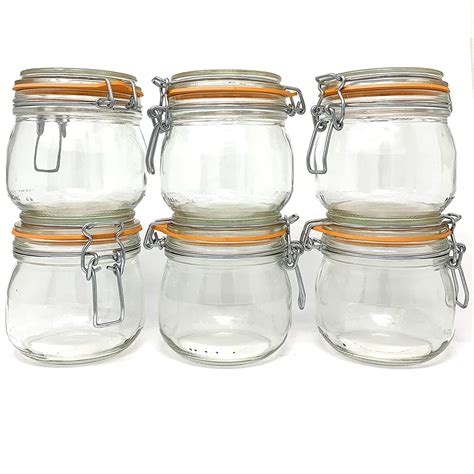
For a quick, easy pickle without the full canning process, make refrigerator pickles. Slice cucumbers and pack them into jars with fresh dill, garlic, and a brine of vinegar, water, and salt. They’ll be ready in a few days and keep for weeks in the fridge.
Frozen Summer Berry Blend
Hull and wash your favorite berries (strawberries, blueberries, raspberries). Spread them in a single layer on a baking sheet to freeze individually, then transfer to freezer bags. Perfect for smoothies, oatmeal, or baking throughout the year.
Tips for Successful Real Food Preservation
- Start with Quality: Only preserve the freshest, unblemished produce.
- Follow Tested Recipes: Especially for canning, always use recipes from reliable sources (e.g., USDA guidelines, university extension offices) to ensure food safety.
- Hygiene is Key: Cleanliness is crucial. Sanitize jars, lids, and all equipment thoroughly.
- Proper Storage: Store preserved foods in a cool, dark place for optimal shelf life and quality.
- Label Everything: Include the date and contents on your jars or packages.
Enjoying Your Preserved Bounty
Preserving your garden’s bounty using real food recipes is a deeply satisfying endeavor. It’s an investment in your health, your culinary skills, and a more sustainable lifestyle. As you open a jar of your homemade preserves on a cold winter day, you’ll be transported back to the warmth of your garden, savoring the delicious taste of your hard work and the pure goodness of real food. So, roll up your sleeves, embrace the harvest, and let your kitchen become a hub of delicious preservation!