




How to naturally amend heavy clay soil for productive vegetable beds?
Understanding the Challenge of Heavy Clay Soil
Heavy clay soil presents both challenges and opportunities for gardeners. While renowned for its fertility and ability to retain nutrients, its dense, compact structure often leads to poor drainage, inadequate aeration, and difficulty for plant roots to penetrate. For those aspiring to cultivate thriving vegetable beds, transforming this challenging medium into a friable, productive environment is crucial. Fortunately, a range of natural, sustainable methods can effectively amend clay soil, enhancing its structure and unlocking its full potential without resorting to harsh chemicals.
The Power of Organic Matter: Your Clay Soil’s Best Friend
The cornerstone of naturally amending heavy clay soil is the generous and consistent addition of organic matter. Organic materials work by improving soil aggregation, creating larger pore spaces for air and water, and fostering a healthier microbial ecosystem. This process effectively breaks up the dense clay particles, making the soil lighter, more workable, and better draining, while simultaneously improving its water retention during dry spells.
Compost: The Superstar Amendment
High-quality compost is arguably the most effective natural amendment for clay soil. Rich in decomposed organic material and beneficial microbes, it directly addresses the structural issues. Incorporating several inches of compost annually will gradually transform clay into a crumbly, fertile loam. You can make your own compost from kitchen scraps and garden waste, ensuring a continuous supply of this vital amendment.
Aged Manure: Nutrient-Rich Organic Matter
Similar to compost, well-aged manure (from cows, horses, chickens, etc.) is an excellent source of organic matter and essential nutrients. It should be thoroughly composted or aged to prevent burning plants and introducing weed seeds. Fresh manure is too strong and can harm plants; always use aged or composted varieties.
Strategic Planting and Amendments
Cover Crops (Green Manure): Working with Nature
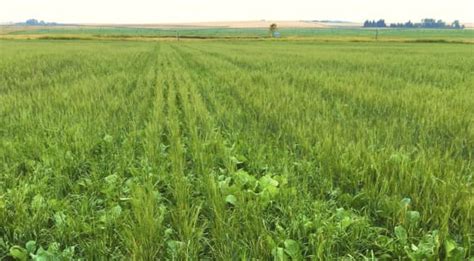
Planting cover crops, also known as green manure, is a highly effective long-term strategy for improving clay soil. Crops like clover, vetch, oats, or rye are sown during off-seasons. Their roots penetrate deep into the dense soil, breaking it up and creating channels for water and air. When tilled into the soil before flowering, they add significant organic matter, nitrogen (especially legumes), and improve overall soil structure.
Gypsum: A Targeted Approach (Use with Caution)
While not organic matter, agricultural gypsum (calcium sulfate) can sometimes be beneficial for very heavy, sodic clay soils (high in sodium). It works by replacing sodium ions with calcium, which then helps clay particles flocculate (clump together), improving drainage. However, gypsum is not a universal solution and is less effective on non-sodic clays. A soil test can determine if your soil would benefit from gypsum.
Biochar: Long-Lasting Soil Enhancement
Biochar, a charcoal-like substance made from plant material through pyrolysis, can significantly improve clay soil structure, water retention, and nutrient availability. Its porous nature provides a habitat for beneficial microbes and creates stable carbon structures that persist in the soil for centuries. It’s a long-term investment in soil health.
Implementation Techniques for Maximum Impact
Simply spreading amendments on top isn’t enough for clay soil; they need to be incorporated. However, excessive tilling can compact clay. A balanced approach is key.
No-Dig or Lasagna Gardening
For minimal disturbance, consider a no-dig or lasagna gardening approach. Layer organic materials (cardboard, leaves, compost, straw) directly on top of the clay soil. Over time, these layers will decompose, and earthworms will pull them down, slowly integrating the organic matter into the existing soil structure without manual digging.
Broadforking and Gentle Incorporation
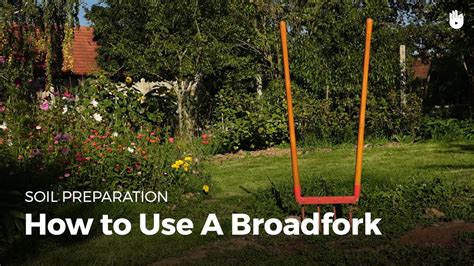
If you need to incorporate amendments more quickly, use a broadfork to loosen the soil without inverting the layers. This creates pathways for air and water. Then, spread several inches of compost or other organic matter and gently rake it into the top few inches of loosened soil. Avoid rototillers, as they can pulverize clay into an even denser hardpan when wet.
Long-Term Maintenance and Prevention
Amending clay soil is an ongoing process, not a one-time fix. Consistent practices will ensure your vegetable beds remain productive and healthy.
Regular Top-Dressing with Organic Matter
Each spring and fall, top-dress your garden beds with an inch or two of compost. This continuous supply of organic matter will maintain and further improve soil structure.
Mulching: Protecting and Feeding the Soil
Apply a thick layer of organic mulch (straw, shredded leaves, wood chips) around your plants. Mulch conserves moisture, suppresses weeds, regulates soil temperature, and slowly breaks down to add more organic matter to the soil surface.
Avoid Compaction
Never work clay soil when it’s wet, as this will lead to severe compaction and destroy any progress you’ve made. Create permanent pathways and avoid stepping directly on your garden beds.

Conclusion
Transforming heavy clay soil into a productive haven for vegetables requires patience and consistent effort, but the rewards are well worth it. By embracing natural amendments like compost, aged manure, and cover crops, along with mindful cultivation techniques, you can foster a healthy, living soil that drains well, retains moisture effectively, and provides an ideal environment for robust plant growth. Your vegetable beds will thrive, yielding bountiful harvests season after season.