





Easy pantry swaps for fresh ingredients in country kitchen recipes?
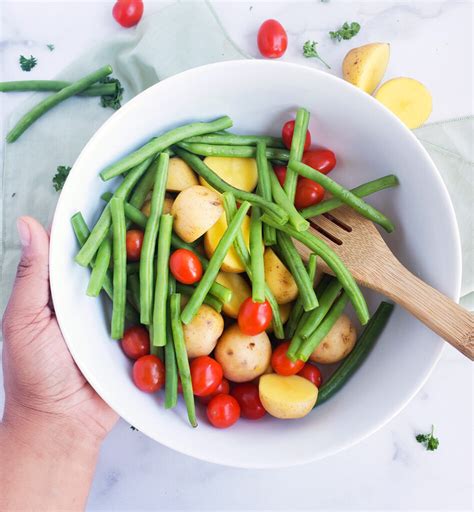
The charm of country kitchen cooking often lies in its reliance on fresh, seasonal ingredients. But what happens when your garden isn’t yielding, or a trip to the market isn’t feasible? Fear not, aspiring country cooks! Your pantry holds a treasure trove of substitutes that can transform everyday staples into delightful, comforting meals, preserving that beloved homemade flavor.
Embracing the Art of Substitution
Country kitchen recipes are inherently forgiving, often born out of necessity and resourcefulness. Learning to pivot from fresh to pantry items isn’t just a compromise; it’s a skill that enhances your cooking flexibility and minimizes food waste. It means you can still whip up that hearty stew or a comforting pie, even if your fridge looks a little bare.
Herb & Spice Savvy: From Garden to Jar
Fresh herbs bring vibrant aroma and flavor, but their dried counterparts are powerful in their own right. A general rule of thumb is to use one-third the amount of dried herbs compared to fresh (e.g., 1 tsp dried rosemary for 1 tbsp fresh). Don’t have fresh garlic or onion? Granulated garlic or onion powder, or even dried minced onion, can step in beautifully. For a quick aromatic base, a pinch of onion powder and garlic powder can lay a solid foundation for soups and sauces.

Vegetable Substitutions That Work Wonders
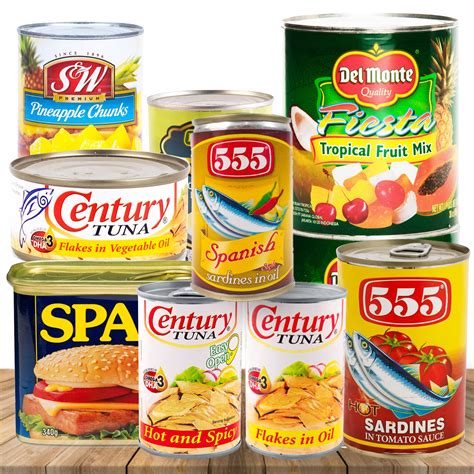
Many classic country dishes feature hearty vegetables. If fresh isn’t an option, the freezer and canning aisle are your best friends. Canned diced tomatoes can easily replace fresh chopped tomatoes in stews, chilis, and sauces. Frozen mixed vegetables are perfect for casseroles and pot pies, often requiring no thawing. Canned corn or green beans can add texture and flavor where fresh might typically be used. Just be mindful of sodium content in canned goods and adjust seasoning accordingly.
Dairy & Liquid Replacements in a Pinch
Dairy is a cornerstone of many country recipes, from creamy mashed potatoes to fluffy biscuits. Ran out of fresh milk? Evaporated milk or powdered milk (reconstituted) are excellent stand-ins, especially for baking and sauces. If a recipe calls for buttermilk and you only have regular milk, simply add a tablespoon of lemon juice or white vinegar to a cup of milk and let it sit for 5-10 minutes until it slightly curdles. Cream cheese or sour cream can often substitute for heavy cream in sauces (use less to avoid thinning).

Sweeteners, Fruits, and Flavor Boosters
Desserts and sweet treats are integral to country cooking. If fresh fruit isn’t available, canned fruit (drained well), frozen fruit, or even dried fruit can often be used. Rehydrated dried apples or peaches can be a delightful filling for a cobbler. Fruit preserves or jams can also add a burst of fruity sweetness to baked goods or glazes. For sweetness, brown sugar can often replace white sugar (and vice-versa, with minor textural changes), and maple syrup or honey can be used in place of sugar in many recipes, adjusting liquids as needed.
The Golden Rules of Pantry Swapping
- Taste as You Go: Pantry ingredients, especially canned or dried, can have more concentrated flavors or higher sodium levels. Always taste and adjust seasoning.
- Texture Matters: Consider the texture. A fresh crisp bell pepper provides a different bite than a cooked one from a can. Adjust cooking times or expectations.
- Understand the Role: What purpose does the fresh ingredient serve? Is it for flavor, moisture, bulk, or acidity? Choose a swap that fulfills that primary role.
- Start Small: If unsure, begin with a smaller amount of the substitute and add more if needed.

Unlock Your Kitchen’s Potential
Embracing pantry swaps isn’t about sacrificing quality; it’s about smart cooking and making the most of what you have. With a well-stocked pantry and a little creativity, you can consistently bring the comforting, rich flavors of country kitchen cooking to your table, no matter the season or the state of your fresh produce drawer. Happy cooking!