




Combat garden pests naturally: Best homemade organic sprays?
Embracing Nature’s Defense in Your Garden
Gardeners worldwide often face the frustrating challenge of unwanted pests munching on their prized plants. While chemical pesticides offer a quick fix, they come with significant drawbacks, harming beneficial insects, polluting the environment, and potentially contaminating your produce. The good news? You can effectively combat these invaders using natural, homemade organic sprays, harnessing the power of ingredients readily available in your pantry or local store. Shifting to organic pest control not only protects your garden but also fosters a healthier ecosystem.
The Power of Homemade Organic Sprays
Homemade organic sprays are a cornerstone of sustainable gardening. They are cost-effective, non-toxic to humans and pets when applied correctly, and environmentally friendly. By using natural ingredients, you can target specific pests without widespread damage to your garden’s delicate balance. These solutions often work by repelling pests, disrupting their feeding, or acting as a natural insecticide, offering a safer alternative to synthetic chemicals.

Essential Homemade Organic Spray Recipes
Here are some of the most effective and easy-to-make organic sprays to keep your garden thriving:
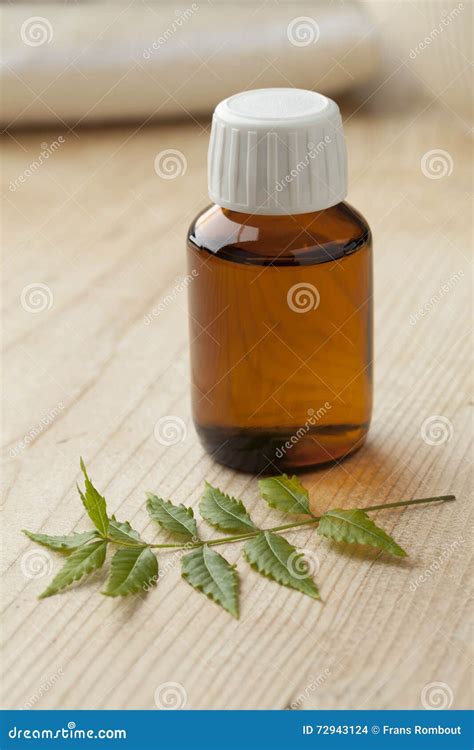
1. Neem Oil Spray: The All-Rounder
Derived from the neem tree, neem oil is a powerful natural insecticide, fungicide, and miticide. It works by disrupting insect growth, development, and reproduction, effectively deterring a wide range of pests including aphids, spider mites, whiteflies, mealybugs, and even some fungal diseases like powdery mildew.
How to Make It:
- Mix 1-2 tablespoons of cold-pressed neem oil with 1 teaspoon of mild liquid dish soap (as an emulsifier) per gallon of water.
- Shake well before each use, as oil and water can separate.
Application:
Spray thoroughly on all plant surfaces, including the undersides of leaves, until dripping. Apply every 7-10 days, or more frequently for active infestations. Best applied in the evening to avoid burning leaves in direct sunlight and to protect beneficial insects.
2. Garlic Spray: The Potent Repellent
Garlic is well-known for its strong aroma, which pests despise. It acts as a natural repellent against aphids, slugs, snails, cabbage worms, and even some fungal pathogens.
How to Make It:
- Blend 5-6 cloves of garlic with 1 cup of water until smooth.
- Strain the mixture to remove solids.
- Dilute the garlic liquid with 1 gallon of water. Add 1 teaspoon of mild liquid dish soap to help it stick to plants.
Application:
Spray directly onto affected plants, particularly where pests are present. Reapply after rain or every few days as needed.
3. Insecticidal Soap Spray: Simple & Effective
A basic soap spray is incredibly effective against soft-bodied insects like aphids, spider mites, mealybugs, and whiteflies. The soap breaks down their protective outer layer, causing dehydration.
How to Make It:
- Mix 1-2 tablespoons of pure liquid Castile soap (or mild, biodegradable dish soap) with 1 gallon of water.
- Avoid using detergent soaps, which can harm plants.
Application:
Spray directly onto pests, ensuring good coverage. Test on a small area of the plant first to check for sensitivity. Apply in the early morning or late evening. Reapply every 4-7 days until the infestation is under control.
4. Chili/Pepper Spray: Spicy Deterrent
The capsaicin in hot peppers irritates insects, deterring them from feeding on your plants. This spray is effective against a variety of chewing insects, including caterpillars and aphids.
How to Make It:
- Blend 3-4 hot peppers (e.g., habanero, cayenne) with 2 cups of water.
- Strain the mixture, being careful not to touch your eyes or bare skin.
- Dilute the pepper liquid with 1 gallon of water and add 1 teaspoon of mild liquid dish soap.
Application:
Use with caution, wearing gloves and eye protection. Spray sparingly on affected areas. Avoid spraying on windy days to prevent drift. Test on a small leaf first. Not recommended for edible parts close to harvest.
Tips for Effective Application and Prevention
Using homemade sprays is just one part of a comprehensive pest management strategy. For best results:
- Identify Your Pest: Knowing your enemy helps you choose the most effective spray.
- Consistency is Key: Regular application, especially during active infestation, is crucial.
- Test First: Always test any new spray on a small part of a plant and wait 24 hours to ensure there’s no adverse reaction.
- Spray in the Right Conditions: Apply in the early morning or late evening to avoid sun scorch and protect beneficial insects that are less active during these times. Avoid spraying in strong sunlight or on windy days.
- Target Pests Directly: Many of these sprays work on contact, so ensure you hit the pests themselves, especially on the undersides of leaves.
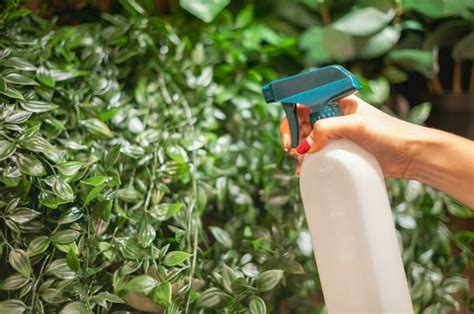
Beyond Sprays: Holistic Garden Health
Remember that a healthy plant is more resistant to pests. Focus on building robust soil, proper watering, and adequate sunlight. Incorporate practices like companion planting (e.g., marigolds to deter nematodes), attracting beneficial insects (like ladybugs and lacewings), and practicing crop rotation. By fostering a diverse and healthy garden ecosystem, you can significantly reduce pest problems naturally.

Conclusion
Battling garden pests doesn’t have to involve harsh chemicals. With a little effort and common household ingredients, you can create powerful, organic sprays that protect your plants and promote a healthier garden environment. Embrace these natural solutions, combine them with good gardening practices, and enjoy a thriving, pest-free oasis.