




Best ways to substitute homegrown ingredients in traditional country recipes?

Embracing the Garden’s Bounty in Your Kitchen
There’s a special satisfaction that comes with cooking a meal using ingredients you’ve grown yourself. The vibrant colors, intense flavors, and the knowledge of where your food comes from add an unparalleled dimension to any dish. When it comes to traditional country recipes, often steeped in history and regional flavors, substituting homegrown ingredients can elevate them from simple comfort food to a true culinary experience. It’s not just about swapping one item for another; it’s about understanding the core elements of the dish and allowing your garden’s abundance to shine.
Understanding the Basics of Substitution
Successful substitution hinges on a few key principles. First, consider the flavor profile: is the ingredient sweet, savory, acidic, bitter, or earthy? Try to match this primary characteristic. For instance, if a recipe calls for a sweet onion, a homegrown Walla Walla or Vidalia would be a better fit than a sharper red onion from your garden. Second, think about texture. Does the original ingredient provide crunch, creaminess, a starchy mouthfeel, or a delicate bite? Replacing a sturdy potato with a delicate zucchini might alter the dish significantly, unless that’s your intention. Lastly, moisture content is crucial. Watery vegetables might require a slight adjustment in cooking times or the reduction of other liquids in the recipe to prevent a soggy outcome.

Common Homegrown Swaps for Classic Ingredients
Many traditional country recipes are surprisingly flexible. Here are some popular substitutions:
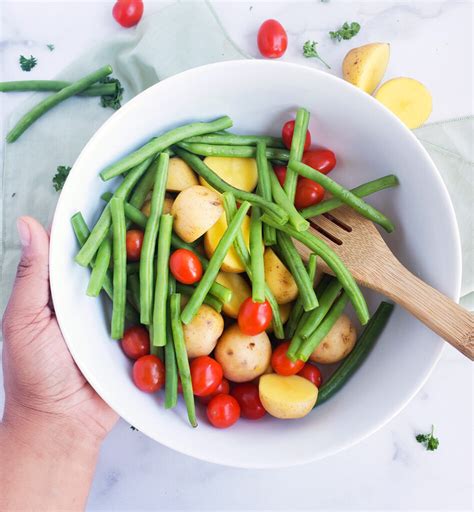
- Tomatoes: If a recipe calls for specific tomato varieties like Roma for sauce, don’t hesitate to use your juicy, ripe heirloom or cherry tomatoes. Just adjust for moisture by cooking them down a bit longer, or for sweetness, by balancing with a touch more acidity.
- Greens: Spinach can often be replaced by homegrown kale, chard, or even beet greens. Remember that heartier greens like kale will require more cooking time and may have a stronger flavor, so blanching them first or using them in smaller quantities can help.
- Root Vegetables: Carrots, parsnips, and potatoes are often interchangeable in stews and roasts, provided you account for their individual sweetness and cooking times. Sweet potatoes or rutabagas can add a unique twist to a classic potato gratin.
- Herbs: Always opt for fresh homegrown herbs over dried whenever possible. A general rule of thumb is to use one tablespoon of fresh herbs for every one teaspoon of dried herbs a recipe calls for.
- Fruits: Seasonal berries can replace out-of-season fruits in pies, crisps, and jams. A peach cobbler can become a delightful blackberry cobbler with a simple swap.

Adapting Recipes for Success
When making substitutions, it’s best to start small. Don’t try to overhaul every ingredient in a complex recipe at once. Introduce one or two homegrown items and see how they integrate. Tasting as you go is paramount – it allows you to adjust seasonings, add more herbs, or balance flavors before the dish is complete. Also, be mindful of cooking times; homegrown produce, especially fresh-picked items, can sometimes cook faster or slower than store-bought equivalents due to differences in ripeness or water content.

Beyond the Basics: Creative Combinations
Don’t limit yourself to direct swaps. Consider how your homegrown produce can add entirely new dimensions. Have an abundance of zucchini? Shred it into meatloaf, bake it into bread, or grill it as a side. Kohlrabi can be roasted like potatoes or thinly sliced into salads. Even less common garden produce, like sorrel, can add a wonderful lemony tang to sauces or soups. Furthermore, think about preserving your harvest – canning, freezing, or drying allows you to enjoy your homegrown bounty long after the growing season, integrating those rich flavors into winter country dishes.

Preserving Authenticity While Innovating
The beauty of traditional country recipes lies in their ability to adapt to what’s available. Historically, cooks relied on their gardens and local markets. By substituting with homegrown ingredients, you’re not just changing a recipe; you’re often returning to the very spirit of its creation. Focus on the core flavors and textures that define the dish. Embrace the regional variations and family traditions that allow for flexibility. Your homegrown adaptations can become new traditions, cherished for their freshness and unique flavor profiles.

Conclusion
Integrating homegrown ingredients into traditional country recipes is a rewarding journey that enriches both your palate and your connection to your food. With a little understanding of flavor, texture, and moisture, coupled with a willingness to experiment, you can transform classic dishes into fresh, vibrant masterpieces that celebrate the bounty of your own garden. So, gather your harvest, consult your favorite country cookbook, and get ready to cook with the freshest ingredients imaginable.